


Is a foundation program just a regular course? A heated debate has recently unfolded in Indonesia over the educational background of a senior public official. At issue is whether the official holds a high school diploma or an equivalent qualification, and whether the educational pathway followed meets Indonesia’s administrative requirements.
Amid the controversy, some politicians have claimed that a foundation program is merely a short course. The claim has spread quickly on social media and in news coverage, and it has left many students and parents confused. If you or your child is considering studying abroad, the label matters: it affects how universities, employers, and government agencies treat the qualification.
This article explains what a foundation program is, how it differs from an ordinary course, why the debate exists, and what prospective students should check before enrolling.
What Is a Foundation Program?
A foundation program is a pre-university program designed to prepare students for bachelor’s degree study. It is especially common for entry to overseas universities in countries such as Australia, the UK, Malaysia, and Singapore. Most programs last between 6 and 12 months.
The program bridges the gap between secondary school and university. Students who finish high school in one education system often need extra preparation before they can handle the academic expectations of another. A foundation program fills that gap with structured, university-level preparation.
What You Typically Study
- Core academic subjects: mathematics, sciences, business, or humanities, depending on the intended degree.
- Academic English: reading, writing, and presentation skills for students who are not native English speakers.
- Study and research skills: essay writing, critical thinking, referencing, and independent learning.
- Subject streams: many programs let students choose a stream, such as engineering, business, or health sciences, that matches their future major.
Who Takes a Foundation Program?
- Students who have completed high school but do not yet meet the direct entry requirements of an overseas university.
- Students who want to adjust to a new academic system, language, and teaching style before starting a degree.
- Students who want a clear route into a specific university, since many foundation providers have partnerships that support progression to the partner institution.
Foundation Program vs. a Regular Course
| Aspect | Foundation Program | Regular Course |
| Purpose | Pathway into a bachelor’s degree | Building a specific skill |
| Curriculum | Academic, structured, pre-university level | Focused on one skill area |
| Assessment | Formal exams and academic standards | Usually attendance or competency certificates |
| Outcome | Qualification to enter university | Course certificate |
The key difference is purpose. A course usually teaches one skill, such as English conversation, accounting software, or graphic design. A foundation program is built as a stepping stone into a degree, with an academic curriculum and formal assessment that universities use to decide whether a student can progress.
That said, not every program labeled “foundation” is equal. Quality, accreditation, and university recognition vary by provider, which is why checking the details matters more than relying on the name alone.
Why Do Opinions Differ?
The disagreement comes down to two different questions that are often mixed together. One is whether a program is academically legitimate. The other is whether Indonesian authorities recognize it as equivalent to a national qualification. The two questions can have different answers:
- Academic recognition: Universities accept foundation programs as a valid entry requirement for undergraduate study.
- Administrative recognition: In Indonesia, whether a qualification is recognized depends on the government’s equivalency regulations.
Whether a pathway is valid in Indonesia is therefore determined by regulation, not by whether it is labeled a “course.”
Why the Label Causes Confusion
In everyday speech, “course” can mean almost any short educational program, from a weekend workshop to a one-year academic preparation program. A foundation program is short compared with a full degree, so it is easy to place it in the same category. But length alone does not define a program. A short program can still be a formal academic pathway if it carries a structured curriculum, formal assessment, and recognition from universities.
Why Documentation Matters
Once a case becomes a public dispute, the question usually shifts from “what is the program?” to “what does the paperwork show?” Transcripts, certificates, accreditation records, and equivalency decisions are what administrators examine. This is why students should treat documentation as seriously as the program itself.
Tips for Prospective Students
- Confirm accreditation. Check that the provider is accredited and recognized by your target university, ideally on the university’s own website.
- Ask about progression. Find out which degrees the program leads to, what grades you need, and whether progression is guaranteed or conditional.
- Check equivalency early. Ask whether the program can be recognized as equivalent to Indonesian high school (SMA), and confirm the current process with the relevant government office before you enrol.
- Keep every document. Save academic records, transcripts, certificates, and enrolment letters for the equivalency process.
- Compare costs and duration. Foundation fees, living costs, and the extra time before your degree starts all affect your total budget.
- Get answers in writing. If an agent or provider makes claims about recognition, ask for them in writing and verify them independently.
Frequently Asked Questions
Is a foundation program the same as high school?
No. A foundation program is a pre-university pathway, not a replacement for secondary school. Whether it counts as equivalent to an Indonesian high school diploma depends on the government’s equivalency rules, not on the program’s name.
How long does a foundation program take?
Most last between 6 and 12 months, depending on the country, the provider, and the chosen subject stream.
Can I go straight to a bachelor’s degree after a foundation program?
In most cases, yes, if you meet the grade requirements set by the university. Progression is usually conditional on your results, so confirm the entry conditions in advance.
Is a foundation program the same as a foundation year?
The terms are often used interchangeably. A foundation year is sometimes built into a university’s own degree structure, while a standalone foundation program may be run by the university or by a separate accredited provider.
How can I check whether a program is recognized?
Start with the target university’s admissions page, then ask the provider for its accreditation details. For recognition in Indonesia, confirm the current equivalency procedure with the relevant government office.
Conclusion
A foundation program is more than a regular course. It is a pre-university academic pathway with a structured curriculum, formal assessment, and a clear purpose: preparing students for a bachelor’s degree.
However, its administrative recognition in Indonesia still depends on the equivalency regulations in force. Prospective students should verify accreditation, university recognition, and equivalency before enrolling, and keep their documentation complete. Judging a program by its substance and paperwork, rather than by a single label, is the most reliable way to avoid confusion later.

Finishing SMA (Senior High School) in Indonesia does not mean your opportunity to study at an international university has come to an end.
In fact, there are several pathways available for Indonesian students who decide to pursue higher education abroad after graduating from high school.
For some students, the transition from Indonesian high school to a university overseas may feel overwhelming. Different education systems, academic expectations, language requirements, application processes, and admission standards can make the process seem complicated.
But the good news is: you can still prepare.
One of the options worth considering is a Foundation Program.
What Is a Foundation Program?
A Foundation Program is a preparatory pathway designed to help students transition into university level education.
For students who have completed SMA in Indonesia, a foundation program can provide additional time to strengthen their academic skills, English proficiency, study habits, and understanding of the education system they are about to enter.
Depending on the institution and destination, foundation programs can vary in length and structure. Some may take around 9 months, while others can take longer.
The goal is not simply to delay university.
It is to prepare students for university.
Why Consider a Foundation Program After SMA?
Moving directly from an Indonesian high school environment into an overseas university can be a significant adjustment.
University education abroad may require students to become much more independent in their learning. They may need to conduct academic research, write essays, participate in discussions, deliver presentations, manage their own schedules, and think critically rather than simply memorize information.
A foundation program can help students develop these skills before they begin their degree.
Instead of entering university without knowing what to expect, students can gradually become familiar with the academic expectations of an international learning environment.
A Gap Year Can Also Be an Opportunity
Another option is taking a gap year.
A gap year does not necessarily mean taking a year off from education.
When planned properly, it can become a period of preparation and personal development.
For students who need more time to improve their English, strengthen their academic profile, explore potential university majors, prepare for standardized tests, build a portfolio, or gain meaningful experiences, a structured gap year can be valuable.
The key is structure.
A productive gap year should have clear goals rather than simply becoming a year without direction.
For example, a student might use the year to:
- Improve academic English and communication skills
- Prepare for IELTS, TOEFL, or other relevant requirements
- Research universities and degree programs
- Build an academic or creative portfolio
- Participate in internships or meaningful projects
- Develop independent learning skills
- Explore potential career paths
- Prepare university applications and personal statements
In this sense, a gap year can be a bridge between high school and university rather than a break from education.
Why Study Abroad After SMA?
Studying abroad can expose students to different academic environments, cultures, perspectives, and ways of thinking.
More importantly, the experience can encourage students to become more independent and adaptable.
For students who want to build an international career, studying at a university overseas can also provide opportunities to develop international networks and gain experience in multicultural environments.
However, it is important to remember that studying abroad is not automatically better simply because it is overseas.
The right university should be evaluated based on factors such as the quality and relevance of its program, teaching approach, accreditation, location, cost, student support, career opportunities, and how well it matches the student’s goals.
The goal should not simply be to study abroad.
The goal should be to find the right educational pathway for the student.
Can a Prestigious University Help With Your Career?
Graduating from a well regarded university can provide certain opportunities, including access to alumni networks, career services, internships, research opportunities, and connections with employers.
However, a university name alone does not determine career success.
Skills, experience, communication, adaptability, professional networks, and a student’s ability to apply what they learn also play important roles.
For Indonesian students planning to return home after studying abroad, an international education may also provide exposure to different working environments and perspectives that can be useful when entering Indonesia’s increasingly competitive job market.
Returning to Indonesia After Studying Abroad
Studying abroad does not mean students have to build their entire careers overseas.
Some students choose to return to Indonesia after graduation.
With an international degree and experience in a different educational environment, graduates may bring back new perspectives, skills, and professional networks.
Indonesia’s growing economy and increasingly international business environment also create opportunities for graduates with international exposure, depending on their field and qualifications.
The important thing is to think about the long term plan from the beginning.
Where do you want to study?
What do you want to study?
What career do you want to build?
And how will your education help you get there?

It’s Not Too Late After SMA
If you have already graduated from SMA and are only now considering studying abroad, don’t assume that you have missed your opportunity.
You may simply need a different pathway.
A Foundation Program, a structured gap year, or another university preparation route can give you additional time to build the academic and personal skills needed for your next step.
The journey to an overseas university does not have to start perfectly from day one.
What matters is having a clear plan, understanding your options, and choosing a pathway that matches your goals.
Graduating from SMA is not the end of your preparation for an international education. For many students, it can be the beginning.


When parents search for an International High School, they usually know what they are looking for: an international curriculum, recognised qualifications, English-language education, and a pathway to universities overseas.
But there is another question that is becoming increasingly important:
What should students actually learn before they enter university and the real world?
Academic qualifications are important. But today’s students need more than good grades. They need the ability to think independently, build a strong portfolio, discover their interests, solve real problems, and understand how to turn their ideas into something meaningful.
This is where a different type of education comes in: the Junior College model.
What Is a Junior College?
The term Junior College may be familiar to international families, but it is still relatively unfamiliar to many parents in Indonesia.
In simple terms, a Junior College is a stage of education that bridges high school and university.
Rather than simply continuing the traditional high school experience, students receive more focused academic preparation while developing the knowledge, skills, and experience they need for their future.
At Jakarta Academics College (JAC), we use the concept of an International High School to make this model easier for Indonesian families to understand.
But JAC is designed with a Junior College approach.
That means students don’t simply study for exams.
They prepare for university, careers, entrepreneurship, and life beyond school.
What Makes an International High School Different?
A strong international high school should provide more than an international-sounding curriculum.
Students should have access to internationally recognised academic qualifications while developing the capabilities needed to succeed in a global environment.
At JAC, the focus is built around five areas:
International Qualifications
Students follow internationally recognised academic pathways designed to prepare them for higher education.
University Preparation
Students receive structured preparation for applying to universities internationally, including guidance on choosing the right pathway and destination.
Portfolio Development
Students are encouraged to build meaningful projects, experiences, achievements, and portfolios that demonstrate who they are beyond their grades.
Real-World Skills
Students learn how to apply what they study to real situations—from developing a science project to exploring business ideas and creating solutions to real problems.
Guidance & Scholarship Support
Students receive guidance throughout their university journey, including identifying suitable universities, preparing applications, and exploring scholarship opportunities.
International Qualifications With a Purpose
An international curriculum should not simply give students an international certificate.
The qualification should open doors.
For students planning to study abroad, internationally recognised qualifications can provide a pathway toward universities in different countries and education systems.
But qualifications are only one part of the journey.
Universities also want to understand the person behind the grades.
What have they created?
What have they achieved?
What are they interested in?
What problems have they tried to solve?
What impact have they made?
This is why academic preparation and portfolio development need to work together.
Don’t Just Prepare for University. Prepare for What Comes After.

One of the limitations of traditional education is that students can spend years preparing for exams without having enough opportunities to apply what they learn.
But imagine a student learning business and actually developing their own business idea.
A student interested in science doesn’t just memorise scientific concepts but develops a science project that investigates a real problem.
A student interested in design builds a portfolio of their work.
A student interested in technology creates a project that demonstrates what they can actually do.
These experiences can help students understand their strengths while giving them something meaningful to take forward into university.
At JAC, we believe education should not stop at:
“What grade did you get?”
It should also ask:
“What can you create?”
“What problem can you solve?”
“What impact can you make?”
Building a Portfolio for University
For students aiming for competitive universities, grades are important—but they are not necessarily the whole story.
A strong student profile can include academic achievements, extracurricular activities, leadership experiences, competitions, research, creative work, entrepreneurship, community projects, and other meaningful experiences depending on the student’s chosen field and university requirements.
This is why portfolio development should begin before students submit their university applications.
Students need time to explore.
They need time to experiment.
They need time to create.
And they need guidance to turn those experiences into a coherent profile.
At JAC, students are encouraged to build a portfolio that reflects their interests, strengths, aspirations, and future direction.
What About Scholarships?
Studying abroad can be a significant investment, which is why scholarships are an important consideration for many families.
But finding a scholarship is not simply about searching Google for “scholarships for international students.”
Students need to understand:
- Which scholarships are relevant to them
- What each scholarship requires
- What academic results they need
- What experiences or achievements can strengthen their profile
- How to prepare their application
- How to present their achievements effectively
- What deadlines and requirements they need to meet
This is where proper guidance can make a difference.
Rather than leaving students to figure everything out on their own, JAC aims to provide structured university and scholarship guidance throughout the preparation process.
Preparing Students for Real Life
University is important.
But university is not the final destination.
Eventually, students will need to build careers, work with other people, manage money, make decisions, communicate ideas, and potentially build something of their own.
That is why an International High School should also give students opportunities to develop real-world skills.
At JAC, students can be encouraged to explore areas such as:
- Entrepreneurship
- Project development
- Research and science
- Communication
- Leadership
- Problem-solving
- Presentation
- Collaboration
- Portfolio building
- Independent decision-making
The goal isn’t to turn every student into an entrepreneur.
The goal is to help every student become capable, independent, and ready to create their own future.
More Than High School
This is ultimately what makes the Junior College model different.
It isn’t simply about extending high school.
It is about creating a bridge between school, university, and the real world.
Students receive international academic preparation, but they also have opportunities to explore their interests, build portfolios, develop practical skills, and receive guidance for their next step.
For Indonesian families who may not be familiar with the term Junior College, think of it as an International High School built with a stronger focus on university preparation and life beyond the classroom.
Why Jakarta Academics College?

Jakarta Academics College was created for students who want more than a conventional path from high school to university.
We prepare students for international qualifications and university pathways while helping them discover what they want to build beyond school.
Because we believe education shouldn’t only answer:
“Where will you study next?”
It should help students answer:
“Who do you want to become?”
“What do you want to build?”
“What impact do you want to make?”
And most importantly:
“How can we help you get there?”
An International High School for What’s Next
If you’re looking for an International High School in Indonesia that combines international academic preparation with university guidance, portfolio development, real-world skills, and scholarship support, the Junior College model offers a different way to think about education.
At Jakarta Academics College, we believe students shouldn’t just graduate with a qualification.
They should graduate with a direction, a portfolio, the skills to move forward, and the confidence to build their future.
Don’t just prepare for university. Prepare for what’s next.
For students in Indonesia who dream of studying at a university overseas, the journey does not always have to begin with moving abroad.
An international pathway in Indonesia can provide an alternative route, allowing students to prepare for university through an internationally recognised qualification before progressing to higher education overseas.
Instead of moving directly from an Indonesian high school into a foreign university, students can use a pathway programme to strengthen their academic foundation, develop university-level skills, and prepare for the expectations of international higher education.
For students and parents considering universities in the UK, Australia, New Zealand, the US, Canada, and other destinations, understanding how an international pathway works can make the journey to studying abroad much clearer.
What Is an International Pathway?
An international pathway is an academic programme designed to help students progress from secondary education into university.
Pathway programmes are particularly useful for students who want to study at an international university but need an academic bridge between their current qualification and their intended degree.
Depending on the student’s academic background and destination, an international pathway can include programmes such as:
- International Foundation Year
- A Level
- International Year One
- Diploma programmes
- University preparation programmes
The purpose is not simply to add another qualification.
A good pathway should prepare students for the academic environment they will experience at university. This can include academic writing, research, critical thinking, presentations, independent learning, subject-specific knowledge, and English for academic purposes.
Why Choose an International Pathway in Indonesia?
Studying abroad is a major decision for both students and families. Starting with a pathway programme in Indonesia can provide several advantages.
1. Start Your International Education Journey at Home
One of the biggest advantages of an international pathway in Indonesia is that students can begin preparing for their overseas university journey without immediately relocating to another country.
Students can build their academic foundation in Indonesia before transitioning to university abroad.
This can make the move overseas more gradual and give students time to develop the independence and confidence required for university life.
2. Prepare for International University Standards
International universities can have different academic expectations from those students may experience in a traditional Indonesian school.
Students may be expected to:
- Conduct independent research
- Write academic essays
- Analyse information critically
- Give presentations
- Participate actively in discussions
- Manage their own learning
- Apply knowledge rather than simply memorise it
An international pathway provides an opportunity to develop these skills before entering a bachelor’s degree.
3. Choose a Pathway Based on Your Future Degree
Your intended university major should play an important role in choosing a pathway.
For example, a student planning to study engineering may need a different academic preparation from someone interested in business, computer science, law, or social sciences.
A well-designed pathway allows students to select subjects that support their intended university degree.
4. Access International University Opportunities
Another important benefit is progression.
International pathway programmes can provide routes to universities across different countries, depending on the qualification, university requirements, academic results, and progression agreements.
This means students can begin their education in Indonesia while keeping international university options open.
How Does an International Pathway in Indonesia Work?
Although each institution has its own structure, the process generally follows a similar pattern.
Step 1: Complete Secondary Education
Students first complete the relevant secondary-school qualification or meet the entry requirements for their chosen pathway.
Step 2: Choose the Right Pathway
Students then select a programme based on their academic background, intended degree, and preferred university destination.
Common options include Foundation, A Level, and International Year One programmes.
Step 3: Study the Required Subjects
During the pathway, students take subjects relevant to their intended university degree.
They may also develop academic English, research, communication, and independent learning skills.
Step 4: Apply to Universities
Students can then apply to universities that recognise their pathway qualification.
University applications may involve academic results, English requirements, personal statements, portfolios, interviews, or other admission criteria depending on the destination and degree.
Step 5: Progress to University
Once the university requirements are met, students progress to their undergraduate programme.
The exact progression route depends on the qualification and university.
International Foundation vs A Level: Which Pathway Is Right?
Two popular international qualifications for students in Indonesia are Foundation and A Level.
While both can prepare students for university, they work differently.
| International Foundation | A Level |
| Designed specifically for university preparation | Broad, internationally recognised pre-university qualification |
| Usually focused on a student’s intended degree area | Students typically study selected academic subjects |
| Often completed in a shorter period | Usually takes longer to complete |
| Can provide a direct pathway to participating universities | Widely recognised by universities internationally |
| Suitable for students looking for a focused university pathway | Suitable for students seeking a broader academic qualification |
The right option depends on the student’s academic background, intended university, preferred destination, and timeline. Students should always check the specific entry requirements of the universities they are considering before choosing a qualification.
Jakarta Academics College: An International Pathway in Indonesia
For students looking for an international pathway in Indonesia, Jakarta Academics College (JA College) provides university preparation programmes designed around international progression.
JA College’s approach is centred on helping students build a bridge between their current education and universities around the world. Its programmes include the International Foundation Year and International A Level, providing different routes depending on a student’s academic goals.
JA College describes its vision as becoming a leading junior college in Indonesia that provides access to world-class international universities. The college currently has campuses in Jakarta and Bali, allowing students in Indonesia to begin their international university preparation locally.
International Foundation Year at Jakarta Academics College
The International Foundation Year (IFY) at JA College is designed as a fast-track university preparation programme. The programme can be completed in approximately nine months and is designed for students aiming to progress to universities in destinations including the UK, US, Canada, Australia, and New Zealand.
Students study four subjects, with English for Academic Purposes (EAP) as a mandatory component. Other subjects are selected according to the student’s intended university major. This approach allows students to focus their preparation on the academic area they intend to pursue at university. For example, students interested in business, engineering, computing, or other fields can select subjects that support their future academic direction.
International A Level at Jakarta Academics College
For students looking for a broader international qualification, JA College also offers an International A Level programme. A Level is one of the most widely recognised pre-university qualifications worldwide and can be used for university applications across a range of international destinations.
The programme can be particularly suitable for students who want a strong academic qualification and greater flexibility when applying to universities. The choice between Foundation and A Level should ultimately depend on the student’s university goals rather than simply choosing the programme that appears shorter or easier.
What Makes Jakarta Academics College Different?
An international pathway should be about more than simply completing a qualification. At JA College, the focus is on creating a personalised university preparation experience.
Small Class Sizes
Smaller classes allow teachers to provide more individual attention and create opportunities for students to actively participate in lessons.
Personalised Academic Guidance
Students receive guidance as they work through their academic pathway and plan their university progression.
University Preparation
The goal is to prepare students not only to meet admission requirements but also to develop the academic skills needed for university.
International Progression
JA College provides pathways toward universities in destinations including the UK, Australia, New Zealand, the US, Canada, Malaysia, Singapore.
A More Flexible Alternative
Students do not all follow the same academic journey.
An international pathway can provide an alternative for students looking for a more focused, flexible, or internationally oriented route after secondary education.
Where Can You Study After an International Pathway?
The destination depends on the qualification and the university requirements. Students completing international pathway programmes can explore universities in countries such as:
United Kingdom
The UK is one of the most popular destinations for Indonesian students seeking international higher education.
Universities offer a wide range of undergraduate programmes, with many accepting internationally recognised pathway qualifications.
Australia
Australia is another popular destination, particularly for students interested in business, engineering, technology, health, and other fields.
New Zealand
New Zealand offers internationally recognised universities and a range of undergraduate programmes across different disciplines.
United States and Canada
Students can also explore university opportunities in North America, although admission requirements and pathway structures can differ from those in the UK or Australia.
The important thing is to work backwards from the university and degree.
Choose the university first, understand its entry requirements, and then choose the pathway that supports those requirements.
Who Should Consider an International Pathway?
An international pathway may be suitable for students who:
- Want to study at a university overseas
- Do not follow a qualification that directly meets their target university’s entry requirements
- Want additional preparation before university
- Prefer to begin their international education in Indonesia
- Want to develop academic English and university-level learning skills
- Already have an intended university major
- Want to explore multiple international study destinations
It is not necessarily the best option for every student. Students who already meet all direct-entry requirements for their target university may be able to apply directly. The key is understanding your individual academic situation.
How to Choose the Best International Pathway in Indonesia
With more international education options available, choosing a pathway can feel overwhelming. Before enrolling, consider these questions:
Does the qualification meet your target university’s requirements?
This should be your first question.
Do not choose a pathway simply because it is internationally recognised. Check whether your intended university accepts it for your intended degree.
Does the programme offer the right subjects?
Your pathway subjects should support the bachelor’s degree you plan to study.
How long does the programme take?
Compare the duration of different options and consider how it fits into your overall education plan.
What academic support is available?
Look beyond the qualification itself.
Consider class size, academic support, university counselling, application assistance, and student guidance.
Where can the pathway take you?
Check the universities and countries available after completing the programme.
Does the learning environment suit you?
Academic success is influenced by more than curriculum.
The learning environment, teacher support, class size, and level of individual attention can all make a difference.
Start Your International University Journey in Indonesia
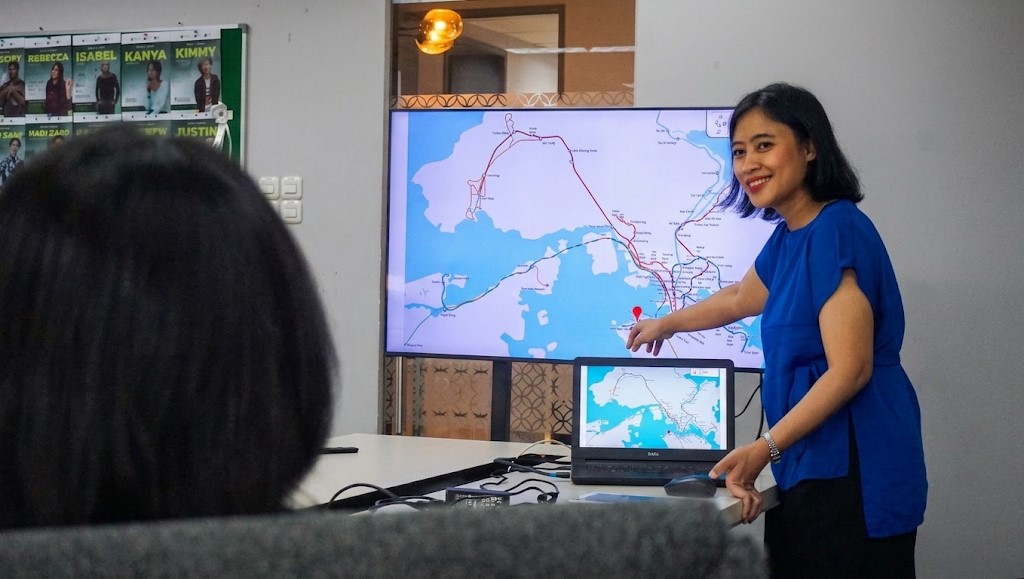
An international university may be thousands of kilometres away, but your preparation does not have to be. An international pathway in Indonesia can give students the opportunity to develop academic skills, earn an internationally recognised qualification, and prepare for university abroad while starting their journey at home.
For students looking for a structured route to global higher education, Jakarta Academics College offers International Foundation Year and International A Level programmes designed to support university progression.
With campuses in Jakarta and Bali, students can build their academic foundation in Indonesia before taking their next step toward universities around the world. The right international pathway is not simply about getting overseas. It is about finding the right academic route, the right university, and the right preparation for your future. And for many Indonesian students, that journey can start right here in Indonesia.

When students start planning to study in the United Kingdom, one of the biggest decisions is not simply which university to attend.
It is also:
Which pathway should I take to get there?
A university pathway programme can make the transition from secondary education to university much more structured. But not every pathway provider offers the same range of university options.
Some pathways are built around a relatively small number of university destinations. Others are designed to give students access to a much broader network.
At JA College, our approach is different.
Rather than building a pathway around one or a handful of universities, we aim to give students a broad range of UK university progression options, allowing them to make decisions based on their academic goals, preferred degree, and future plans.
For students who are still deciding between universities, this flexibility can be extremely valuable.
What Is a University Pathway Programme?
A university pathway programme is designed to help students transition from secondary education into undergraduate study.
For international students, a pathway can be particularly useful because education systems and university entry requirements differ between countries.
At JA College, students can choose between programmes such as A Level and Foundation, depending on their academic background and university goals. Our Foundation Programme is a nine-month fast-track route designed to prepare students for undergraduate study and progression to partner universities.
But there is an important question that parents and students should ask before choosing any pathway:
Where can this pathway actually take me?
JA College: A University Pathway With Broad UK Options
JA College has established progression pathways to a wide network of UK universities. The current JA College university partner network includes institutions such as:
- Aston University
- University of Birmingham
- University of Bradford
- University of Bristol
- Brunel University London
- Cardiff University
- Durham University
- University of Exeter
- University of Kent
- Kingston University London
- Lancaster University
- University of Leeds
- University of Liverpool
- The University of Manchester
- Manchester Metropolitan University
- Newcastle University
- Queen Mary University of London
- Queen’s University Belfast
- University of Reading
- University of Salford
- University of Sheffield
- Sheffield Hallam University
- University of Sussex
- Swansea University
- University of York
- University of Central Lancashire
- Oxford Brookes University
- Liverpool John Moores University
- University of Westminster
- University of Portsmouth
- University of Huddersfield
- and other partner universities.
This means students are not necessarily choosing a pathway because they have already committed to one university.
Instead, they can start with their academic and career goals and explore which university options best fit them.
Why Is Having Multiple University Pathways Important?
Imagine a student says:
“I want to study Business in the UK.”
At the beginning of their university journey, they may think they know exactly where they want to go. But as they learn more about different universities, they may discover that their priorities change. Perhaps they find a university with a stronger business programme.
Maybe they prefer a different city. Perhaps tuition fees become an important consideration. Maybe they discover a specific course that is a much better fit for their career goals. Or perhaps their academic results open opportunities they did not originally consider.
If the pathway is tied too closely to a single university, the student’s options can become limited. A broader university pathway provides something extremely valuable:
Choice.
Don’t Choose a Pathway Just Because It Promises One University
One of the biggest mistakes students can make is choosing a pathway based solely on a university name.
For example:
“This pathway guarantees admission to University X, so it must be the best option.”
Not necessarily.
The more important question is:
“Does this pathway give me the right options for my future?”
A university pathway should be evaluated based on several factors:
1. University Options
How many universities can you realistically progress to?
2. Degree Options
Does the pathway support the degree you actually want to study?
3. Entry Requirements
What academic requirements do you need to meet?
4. Progression Conditions
Is progression guaranteed, conditional, or dependent on achieving specific requirements?
5. Academic Preparation
Will the programme genuinely prepare you for university-level study?
6. Student Support
Will you receive support with applications, personal statements, references, and the transition to university?
7. Flexibility
What happens if your university preference changes?
These questions can be much more important than simply asking:
“How nice is the campus?”
The First Question Shouldn’t Be About Facilities
When parents visit a school or university pathway provider, it is natural to look at the facilities.
Is there a nice campus?
Are the classrooms modern?
Is the building impressive?
Are there comfortable study spaces?
Those things can certainly contribute to the student experience.
But for a university preparation programme, we believe there is another question that should come first:
“Will this actually help my child get to their dream university?”
A beautiful campus cannot guarantee that.
A modern classroom cannot guarantee that.
Expensive facilities cannot guarantee that.
The pathway itself needs to make sense.
The academic programme needs to match the student’s goals.
And the university progression options need to be clear.
JAC Gives Proof, Not Just Promises
At JA College, we believe students and parents should be able to look at evidence, not simply listen to marketing claims.
Our university pathway network is publicly available, and our alumni have progressed to universities in the UK and other international destinations. JA College currently highlights alumni acceptances including the University of Reading and the University of Aberdeen, among others.
The university partner network also includes universities such as University of Manchester, University of Bristol, University of Birmingham, Durham University, Lancaster University, University of Exeter, University of Leeds, University of Sheffield, and University of York.
That distinction matters.
We don’t want students to choose JA College simply because we say:
“We can get you to a good university.”
We want them to be able to ask:
“Which universities can I actually progress to?”
And then see the pathway options for themselves.
A Pathway Should Work Backwards From the Student’s Goal

One of the strongest ways to approach university preparation is to start with the destination and work backwards.
For example:
Step 1: What do you want to study?
Business?
Engineering?
Computer Science?
Law?
Medicine?
Art and Design?
Step 2: Which universities offer the right programme?
Not every university offers the same degree structure, specialisations, or learning experience.
Step 3: What are their entry requirements?
This determines which academic pathway makes sense.
Step 4: Which pre-university programme prepares you for that route?
This could be A Level, Foundation, or another recognised qualification depending on the student’s circumstances.
Step 5: What should you do now?
That becomes the student’s university preparation plan.
This approach is fundamentally different from:
“Here is our pathway. Now choose one of these universities.”
Instead, it asks:
“Where do you want to go, and how can we help you get there?”
A Level or Foundation: Which Pathway Is Right?
JA College offers both A Level and Foundation programmes, giving students different routes depending on their academic goals.
A Level
A Level is a globally recognised qualification and can provide a broad academic foundation for university applications. It can be particularly suitable for students who want flexibility across university destinations and degree choices.
Foundation
The Foundation Programme at JA College is designed as a fast-track university preparation route, currently structured as a nine-month programme. Students study subjects aligned with their intended university degree and prepare for progression into undergraduate study.
The right choice depends on the student’s:
- Current qualification
- Academic goals
- Intended degree
- Target universities
- Preferred study destination
- Timeline
There is no universal “best” pathway.
The best pathway is the one that fits the student’s destination.
Why a Broad UK Pathway Can Be Better Than a Single University Pathway
Having multiple university options gives students room to adapt.
Suppose a student initially targets University A.
During their Foundation or A Level programme, they may discover University B offers:
- A better course structure
- A more suitable location
- Better scholarship opportunities
- A stronger fit with their interests
- A different student experience
- A programme more aligned with their career goals
A broad pathway allows them to reconsider.
That doesn’t mean students should apply randomly to dozens of universities.
It means they can make a better informed decision.
Your Dream University May Change
This is something parents sometimes overlook.
A 16-year-old student may have a very clear idea of where they want to study.
But at 17 or 18, their priorities can change.
Their academic interests can evolve.
They may discover a new career.
They may become interested in a different subject.
Their academic performance may change.
They may learn more about the differences between universities.
That’s normal.
Education is a journey.
A strong pathway should give students enough flexibility to grow with their ambitions, rather than locking them into a decision they made before they fully understood their options.
More Choices Do Not Mean Less Direction
Having many university options does not mean students are left to figure everything out themselves.
In fact, the opposite can be true.
The more options students have, the more important proper guidance becomes.
At JA College, university preparation includes personalised guidance alongside academic preparation. The college describes its approach as combining university preparation with individual support and guidance for students’ university goals.
The goal is not simply to give students a list of universities.
It is to help them understand:
Which university?
Which degree?
Which pathway?
What requirements?
What should I do next?
Don’t Ask “Which School Has the Best Facilities?”
Ask Better Questions.
When comparing university pathway providers in Indonesia, don’t stop at:
“How good are the facilities?”
Instead, ask:
“Which universities can my child progress to?”
“Is the pathway recognised?”
“What are the progression requirements?”
“Which degrees can students enter?”
“What happens if my child changes their university preference?”
“Can I see examples of actual student outcomes?”
“What support is provided for university applications?”
“Does the programme prepare students academically for university?”
These questions can reveal much more about the value of a pathway programme.
The Goal Isn’t to Get Into “A” University
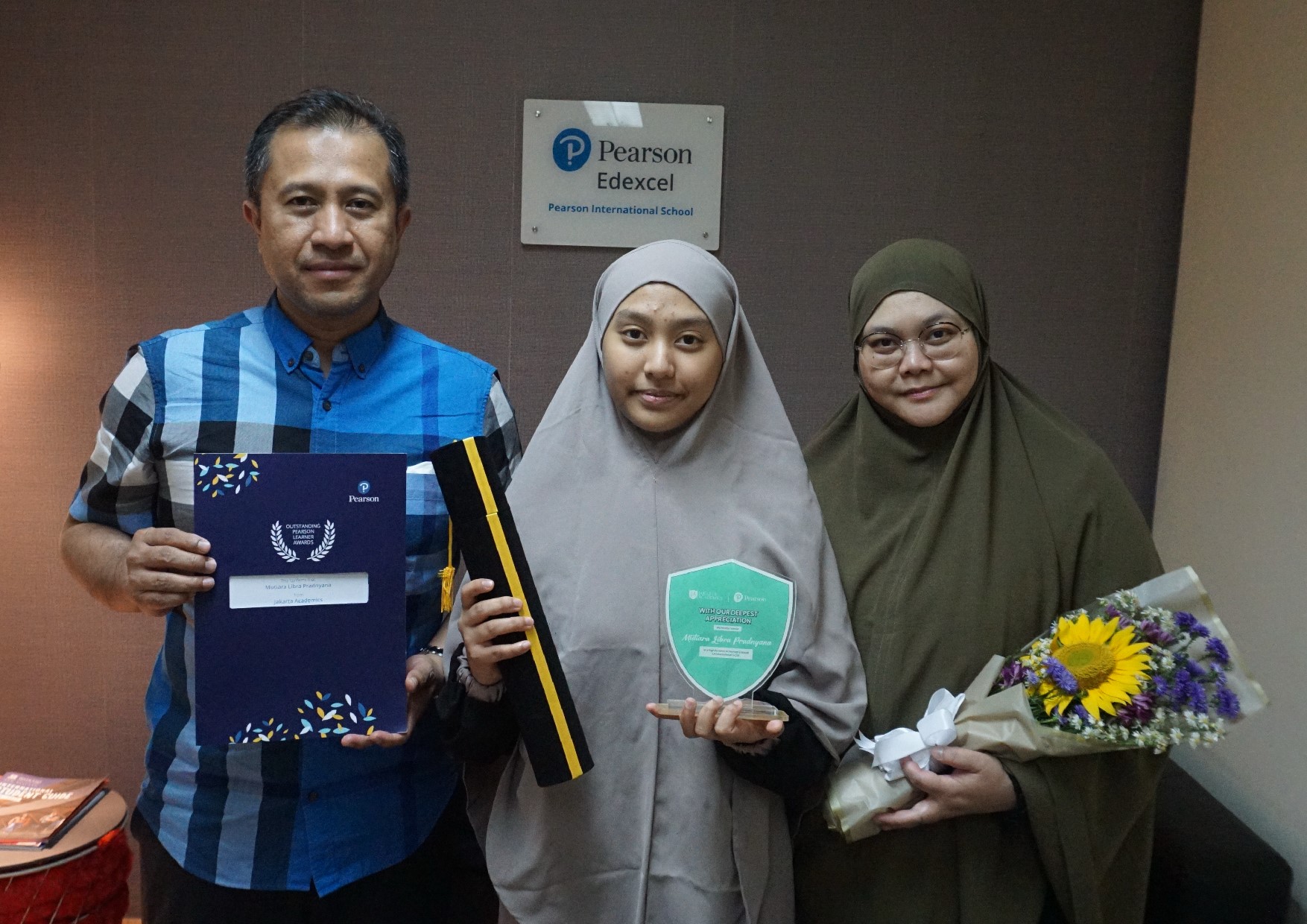
The goal is to get into the right university.
There is a difference.
A pathway provider can have an impressive university name attached to its marketing.
But if that university doesn’t offer the right course, location, environment, or progression route for your child, is it really the right destination?
At JA College, we believe university preparation should give students the ability to explore their options while maintaining a clear academic direction.
That’s why having a broad UK university pathway matters.
It gives students more possibilities without sacrificing guidance.
From Indonesia to the UK: Build the Pathway Around Your Future
For Indonesian students planning to study in the UK, choosing the right university pathway can be one of the most important decisions before university.
The question shouldn’t simply be:
“Which pathway is easiest?”
It should be:
“Which pathway gives me the strongest and most suitable route to where I want to go?”
JA College combines A Level and Foundation programmes with a broad network of UK university progression opportunities, giving students more flexibility when planning their next step.
Because your university pathway should not be built around the facilities you see.
It should be built around the future you want to reach.
And before choosing a university preparation programme, perhaps the most important question to ask is simply:
“Will this pathway really help me get to my dream university?”
At JA College, that’s where the conversation should begin.
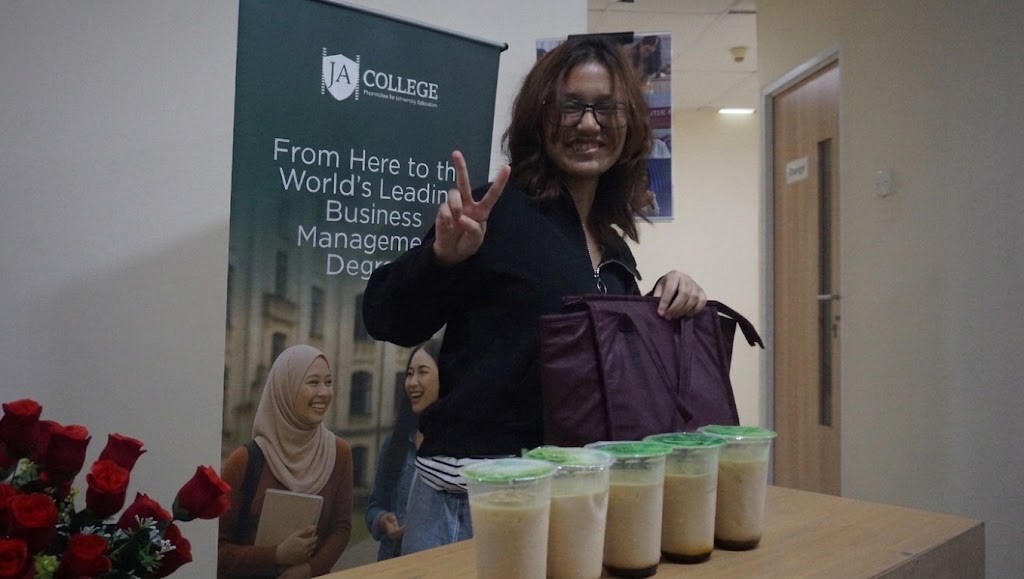

If you’re a high school student in Indonesia and you’re thinking about studying abroad, you may have come across the Foundation Programme.
And then comes a very common question:
“Do I need to leave my high school and start Foundation now, or should I graduate from high school first?”
The answer is: it depends on your academic pathway, your target university, and the Foundation Programme you’re considering.
There is no single answer that works for every student. However, understanding how Foundation works can help you make a much better decision and avoid leaving your current school simply because you think Foundation is automatically the faster option.
What Is a Foundation Programme?
A Foundation Programme is a pre-university programme designed to prepare students for undergraduate study.
Think of it as a bridge:
High School → Foundation → University
Instead of going directly from secondary school into a bachelor’s degree, students complete a Foundation Programme first. Foundation programmes can help students develop the academic knowledge, English skills, study habits, and subject knowledge they need for university.
For students planning to study abroad, Foundation can be particularly useful because it provides a more structured transition between high school and an international university environment.
But here’s the important part:
Foundation is generally not a replacement for completing high school.
Whether you can enter Foundation before graduating from your current high school depends on the specific programme’s admission requirements and your existing qualification.
Do I Have to Graduate From High School First?
Not necessarily in every situation but you need to meet the Foundation programme’s entry requirements.
This is where things can get confusing. Different Foundation programmes accept different academic qualifications. Some may require students to have completed a certain level of secondary education. Others may accept specific international qualifications or equivalent credentials.
So the question isn’t simply:
“Can I leave high school and take Foundation?”
The better question is:
“Do I already have the academic qualification required to enter this specific Foundation Programme?”
If the answer is no, leaving your current high school may create a problem rather than solve one.
Why Do Some Students Consider Leaving High School?
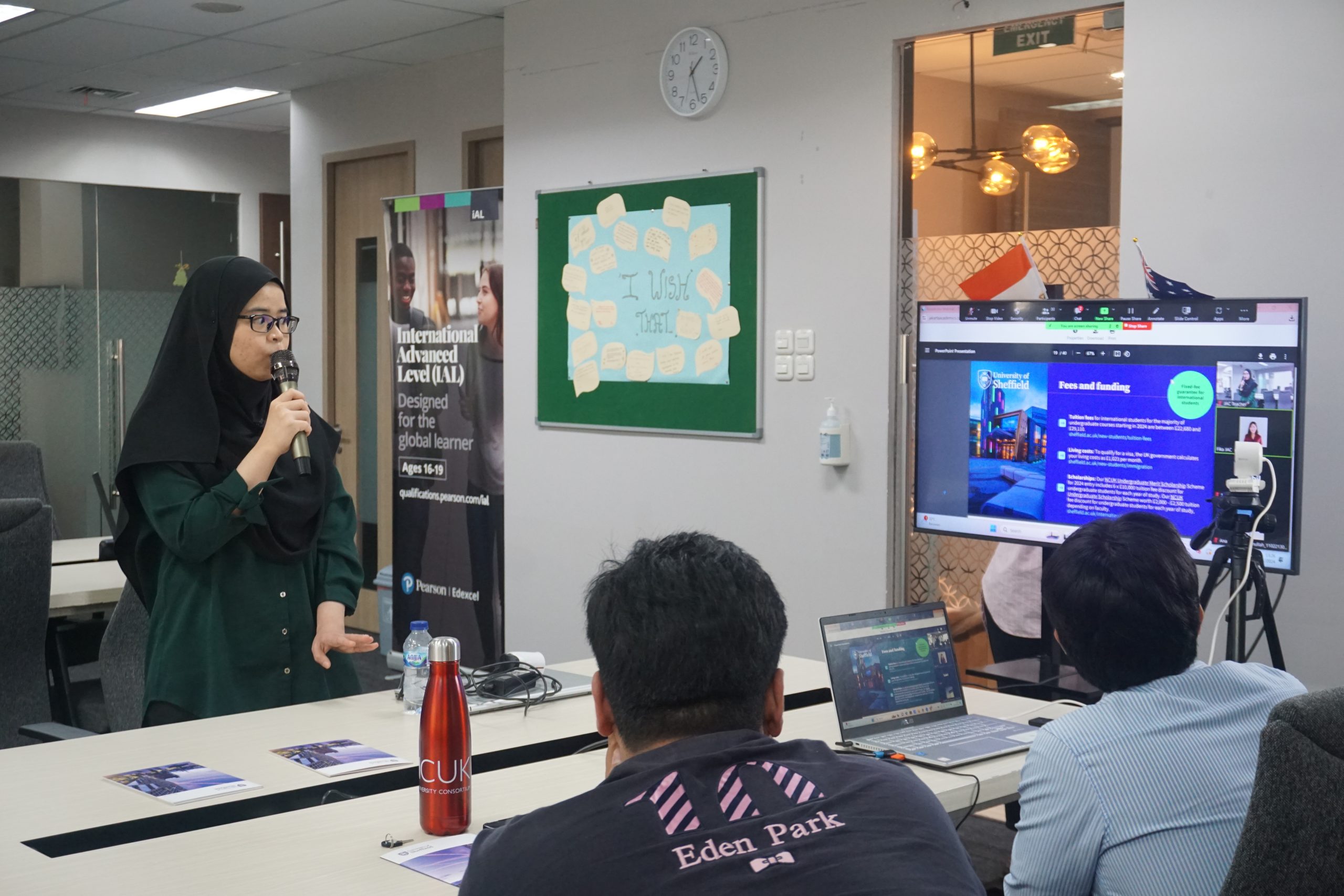
There are several reasons. Some students already know they want to study abroad and feel that their current high school pathway isn’t aligned with their goals. Others want a more focused academic environment. Some may also believe that Foundation will allow them to reach university faster.
And in some cases, a student may be considering an international pathway because they want a qualification that is more directly connected to their target university.
These are all reasonable considerations. But leaving high school should not be the first decision. The first decision should be understanding your destination.
Start With the University, Not the Foundation Programme
Before deciding whether to leave your current school, ask:
Where do I want to study?
UK?
Australia?
Malaysia?
Singapore?
Another country?
What do I want to study?
Business?
Engineering?
Computer Science?
Psychology?
Art and Design?
Which universities am I considering?
Once you have some target universities, you can work backwards.
Think about the pathway like this:
Target University
↓
Degree
↓
Entry Requirements
↓
Accepted Qualifications
↓
Foundation / A Level / Other Pathway
↓
Your Current Academic Position
This is much safer than choosing a Foundation Programme first and trying to figure out where it can take you later.
What Happens If I Leave High School Too Early?
This is something students and parents should think about carefully. Leaving your current high school doesn’t automatically mean you’ve created a better pathway. You need to make sure that the new pathway still gives you the qualifications you need for university.
For example, if you leave school without completing the qualification required for your next academic stage, you may actually create an additional step. Instead of:
High School → Foundation → University
you could end up needing:
High School → Additional Qualification → Foundation → University
That’s why the decision should be based on academic progression, not simply on the idea of finishing faster.
What If I’m Already in Grade 10 or 11?
This is where things become more interesting. If you’re currently in Grade 10 or Grade 11 and already know that you want to study abroad, you may want to explore whether changing your academic pathway makes sense.
But don’t make the decision based solely on the word “Foundation.” You should compare your current pathway with the alternative. For example:
Option 1: Finish High School
Current High School → Graduate → Foundation → University
Option 2: Move to an International Pre-University Pathway
Secondary Education → International Qualification → University
Option 3: A Level Pathway
Secondary Education → A Level → University
The best option depends on your current qualification, age, academic performance, target university, and intended degree. There isn’t necessarily one route that is universally better.
Foundation vs A Level: Which One Should I Choose?
If you’re considering leaving your current high school, you may also want to compare Foundation and A Level.They are not exactly the same.
Foundation
Foundation is generally designed as a bridge to undergraduate study. It can be a focused pathway for students who already have an idea of what they want to study and where they want to progress. Depending on the programme, Foundation can be completed relatively quickly.
A Level
A Level is an internationally recognised qualification that allows students to study specific subjects in greater depth. It can be particularly suitable for students who want a broader academic qualification or who are applying to universities with specific subject requirements.
So instead of asking:
“Which one is faster?”
Ask:
“Which qualification gives me the strongest and most appropriate pathway to my target university?”
That’s a much better question.
Is Foundation Faster Than Finishing High School?
Sometimes, potentially. But faster doesn’t always mean better. For example, imagine a student is halfway through high school. They leave school and enter a Foundation Programme. If that Foundation Programme is accepted by their target universities and the student meets all progression requirements, it may create a relatively direct pathway. But if the Foundation doesn’t meet the requirements of the universities they eventually want to apply to, the student may have to take additional qualifications or change their plans.
That’s why you should never choose a pathway simply because someone says:
“You can finish university faster.”
The real goal isn’t to finish as quickly as possible. The goal is to reach the right university with the right preparation.
What If I Already Know I Want to Study Abroad?
If you’re very clear about your goal, that’s actually an advantage. You can start planning backwards. For example:
I want to study Business in the UK.
↓
Which universities?
↓
What are their entry requirements?
↓
Which qualifications do they accept?
↓
Would A Level or Foundation work?
↓
What do I need to do now?
This can give you a much clearer picture of whether you should finish your current high school or consider changing pathways.
What If I Don’t Know Which University I Want Yet?
Then there’s even less reason to rush into leaving your current school. If you know you want to study abroad but don’t yet know:
- Which country
- Which university
- Which degree
- Which qualification
then your priority should probably be exploration and planning. You don’t want to make an irreversible academic decision before you understand your options.
Take the time to research.
Talk to university advisors.
Compare qualifications.
Look at entry requirements.
Then decide.
Can Foundation Be Studied Before Finishing High School?
This is where students need to be particularly careful.
It depends on the specific Foundation Programme and the qualification you currently hold.
There is no universal rule saying that every high school student can simply leave school and start Foundation. A Foundation provider may have minimum age requirements, academic requirements, or specific qualifications that students must hold before enrolling.
So before leaving your current school, always ask the provider:
- What qualifications do I need to enter?
- Do I need to complete high school first?
- Which universities accept this Foundation?
- Which degrees can I progress to?
- Is progression guaranteed, conditional, or competitive?
- What grades do I need?
- How long will the pathway take?
These questions are far more important than simply asking:
“How fast can I finish?”
What About Jakarta Academics College?
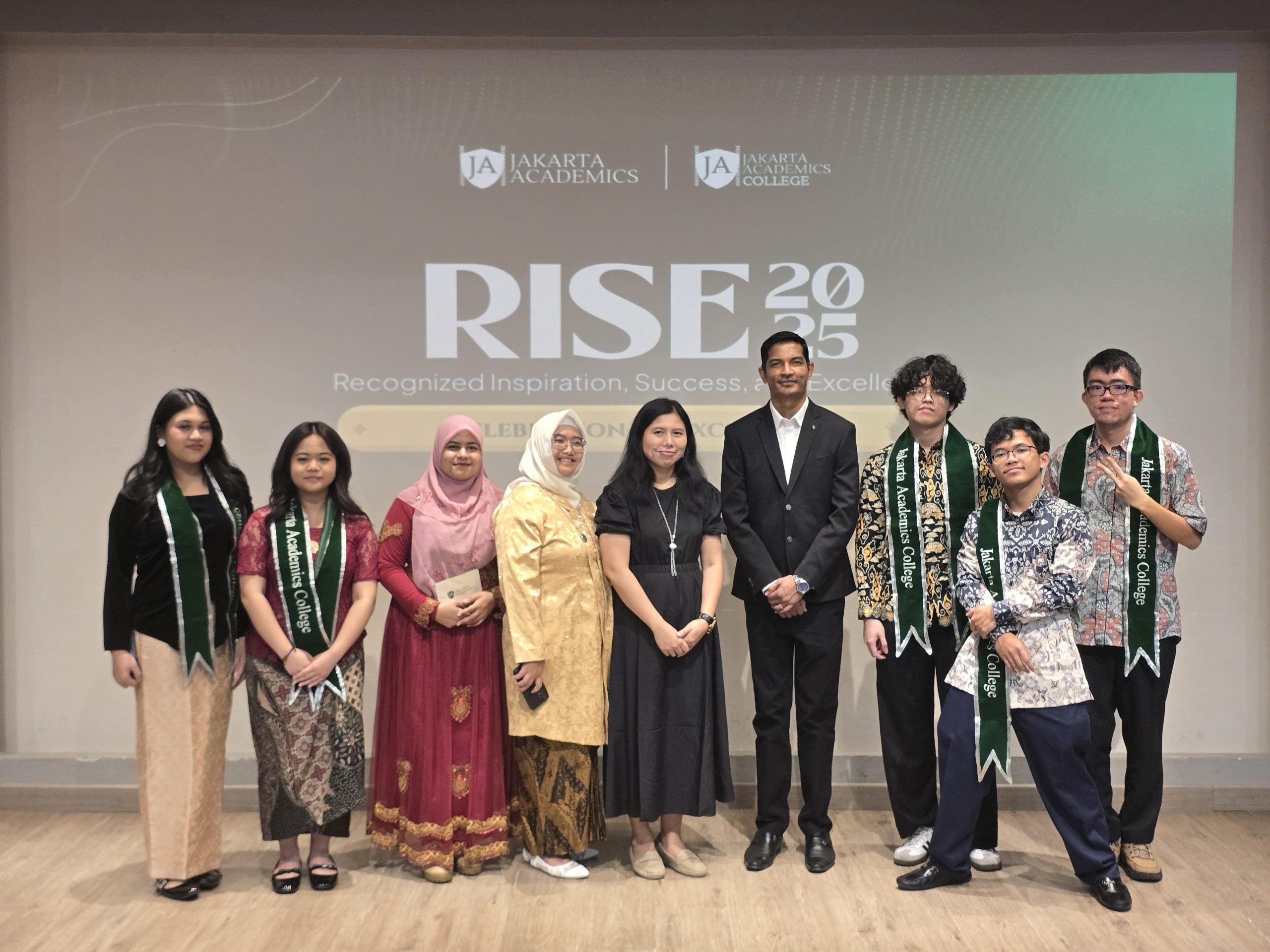
At Jakarta Academics College (JAC), the Foundation Programme is positioned as a pre-university pathway for students preparing for higher education. But whether a student should leave their current high school depends on their individual academic situation.
That’s why the conversation should start with the student’s current education level, qualification, intended degree, and target university. For some students, completing high school first may be the most appropriate option.
For others, transitioning into an international pre-university pathway may make sense. The important thing is to make the decision based on a clear academic plan, rather than simply wanting to finish faster.
So, Should You Leave High School or Graduate First?
There isn’t a universal answer. But here’s a simple way to think about it.
You may want to finish high school first if:
- You’re already close to graduation.
- You’re not sure which university you want.
- You’re not sure which degree you want.
- You haven’t researched Foundation entry requirements.
- Your current qualification is important for your future applications.
- You want to keep your options open.
You may want to explore an alternative pathway if:
- You already have a clear university goal.
- You understand the qualification requirements.
- The alternative pathway is officially recognised for your target universities.
- You meet the entry requirements.
- You have a clear progression plan.
- You understand exactly what happens after Foundation.
The key word here is “explore.”
Don’t leave your current school first and ask questions later. Ask the questions first.
Before You Make a Decision, Ask These 7 Questions
If you’re seriously considering leaving high school to study Foundation, ask yourself:
1. What university do I want to attend?
If you don’t know yet, start researching.
2. What degree do I want to study?
Your intended degree can affect subject and qualification requirements.
3. Do I meet the Foundation’s entry requirements?
Make sure you actually qualify before leaving your current school.
4. What qualification will I receive?
Understand exactly what you’ll have after completing the programme.
5. What happens after Foundation?
Where can you progress? Which universities? Which degrees?
6. Is this pathway actually better for me?
Not faster. Not more prestigious. Better for your goals.
You Don’t Have to Figure It Out Alone
Choosing between staying in high school, moving into A Level, or pursuing Foundation can feel complicated. And that’s normal. It’s a decision that can affect the next few years of your education. The good news is that you don’t need to make the decision blindly.
Start by identifying your current qualification, your academic goals, your intended degree, and the universities you’re considering. Then work backwards. That’s how you build a pathway.
Frequently Asked Questions
Can I study Foundation without graduating from high school?
It depends on the Foundation Programme and its entry requirements. Some programmes may require completion of a certain level of secondary education or an equivalent qualification. Always check the specific programme requirements.
Is Foundation equivalent to high school?
No. Foundation is generally a pre-university programme, not a replacement for secondary education. Students should make sure they hold the appropriate qualification before entering.
Should I finish high school before Foundation?
For many students, completing high school first can be the straightforward option. However, students following different academic pathways may have other options. The right choice depends on the student’s qualification, age, target university, and academic goals.
Is Foundation faster than A Level?
It can be, depending on the programme. But duration should not be the only factor. Students should consider recognition, university progression, degree requirements, and academic preparation.
Can Foundation help me study abroad?
Yes. Foundation programmes can provide a pathway into undergraduate study, but progression depends on the specific Foundation programme and university requirements. Students should check which universities and degrees accept the qualification.
Should I leave my SMA if I want to study abroad?
Not necessarily. You can study abroad after completing an Indonesian high school qualification, depending on the entry requirements of your target university. An international pathway such as A Level or Foundation is another option worth exploring, but it should be chosen based on your goals rather than simply the desire to leave SMA.

When Should You Start Preparing to Study Abroad?
Thinking about studying abroad? Maybe you’re dreaming of university in the UK, Australia, Singapore, Malaysia, or somewhere else. Maybe you’ve already found a university you like. Or maybe you’re still at the stage of saying: “I want to study abroad, but I have no idea where to start.”If that’s you, you’re already at the right stage to start thinking about it. One of the most common mistakes students make is waiting until they’re ready to apply to university before preparing for study abroad.
By then, there can be a lot to figure out at once: university requirements, qualifications, subjects, English proficiency, application deadlines, documents, and sometimes even deciding which pathway to take. So, when should you actually start preparing to study abroad? The short answer: The earlier you understand your options, the more choices you have later.
For most students, starting serious preparation around 2–3 years before university is a good place to begin. But the right timeline depends on your age, academic pathway, and how clear you already are about your goals.
When Should You Start Preparing to Study Abroad?
Preparing to study abroad isn’t something you do in one big step. It’s a process. You might start by simply exploring countries and universities. Later, you’ll need to think about your academic pathway, qualification, subjects, English, and eventually your university application.
Why Shouldn’t You Wait Until You’re Ready to Apply?
Imagine you’re in Grade 12. You’ve just decided: “I want to study in the UK next year.” So you start looking at universities. Then you discover that the degree you’re interested in has specific subject requirements. You realise that different universities accept different qualifications. You need to prepare your English proficiency. You have to understand application deadlines. You may need a personal statement, recommendation, academic documents, and other requirements.
Suddenly, everything needs to happen at the same time. It’s not impossible. But it can be stressful. Now imagine you started two years earlier. You would have time to research. You could compare universities. You could choose your subjects more intentionally. You could improve your English gradually. You could explore different academic pathways.
And if you changed your mind about your destination or degree, you’d still have time to adjust. That’s the real advantage of starting early. It’s not about rushing. It’s about giving yourself more options.
If You’re Still in Junior High, Is It Too Early?

Not at all. But the preparation looks different. If you’re around 13–14 years old, you don’t need to start working on university applications. Instead, focus on exploration. Ask yourself:
- What subjects do I enjoy?
• What am I naturally good at?
• What kind of career interests me?
• Which countries would I like to experience?
• What kind of university environment appeals to me?
• How comfortable am I using English?
You can also start developing your English naturally through reading, watching content, speaking, and writing. The goal isn’t to decide your entire future at 14. It’s simply to understand yourself better. Because when you eventually reach high school, you’ll have a much better starting point for making academic decisions.
Grade 10: Start Thinking About Your Direction
For students in Grade 10, the conversation becomes more serious. You’re still not expected to have your entire university application ready. But this is a good time to start thinking about where your education might be heading. For example:
“I think I want to study Business.”
Or:
“I’m interested in Engineering.”
Or:
“I might want to study Computer Science.”
You don’t have to be 100% certain.
But having a general direction can help you make better decisions about subjects, qualifications, and universities. This is also a good time to start researching potential destinations. The UK? Australia? Singapore? Malaysia? Canada? Different countries and universities have different systems, so understanding them early can save you a lot of confusion later.
Don’t Choose Your Qualification Before Understanding Your Goal
This is one of the most important parts of planning your study abroad journey. Students sometimes start with: “Should I take A Level?” or “Should I do Foundation?” But a better starting point is: “What university and degree am I working towards?” Then work backwards. Target University → Degree → Entry Requirements → Qualification → Subjects → Academic Preparation
This approach can help you avoid choosing a qualification simply because you’ve heard that it’s “good” or “international.” For some students, International A Level may be a strong fit. For others, a Foundation Programme may make more sense. The right choice depends on the student’s academic background, intended degree, target university, and timeline.
Grade 11: Time to Get More Serious
If Grade 10 is about exploring and planning, Grade 11 is where preparation can become much more focused.
This is a good time to:
- Build your university shortlist
• Research entry requirements
• Check subject requirements
• Focus on academic performance
• Improve English proficiency
• Explore relevant extracurricular activities
• Understand application systems
• Talk to teachers or university advisors
You don’t necessarily need a final list of universities yet. Instead, start building a picture of what your options look like.
Don’t Leave English Until the Last Minute
If you’re planning to study abroad, English is obviously important. But English preparation isn’t just about getting a particular IELTS score. Once you’re at university, you’ll need to use English to learn. You’ll need to read academic materials, write essays, give presentations, participate in discussions, understand lectures, conduct research, explain your ideas, and work with people from different backgrounds.
That’s why developing English gradually is much more useful than trying to improve everything a few months before departure. Eventually, English stops being just another subject. It becomes the language you use to study.
Grade 12: This Is When Applications Become the Priority
By Grade 12, the focus changes. Now it’s time to turn your preparation into action. You’ll typically need to focus on: University Shortlist Finalise the universities and programmes you’re interested in. Entry Requirements Check grades, qualifications, subjects, English requirements, and other criteria.
Application Documents, Prepare transcripts, identification documents, recommendations, essays, personal statements, and other required materials. English Proficiency, Make sure you understand whether your chosen universities require IELTS, TOEFL, or another form of English evidence. Deadlines, Different countries, universities, and programmes can have different application timelines. Don’t assume that every university follows the same schedule.
What If You Haven’t Prepared Until Grade 12?
Don’t panic. Starting early is ideal, but starting late doesn’t automatically mean your study abroad dream is over. You may simply have fewer options or need to move faster. Depending on your academic background and destination, a Foundation Programme can be one pathway worth exploring.
A Foundation Programme is designed to bridge secondary education and undergraduate study. It can give students additional preparation before they enter university and, depending on the programme, provide a focused route toward a particular degree or university destination.
Instead of asking, “Am I too late?”
Ask: “Given where I am now, what pathway makes the most sense?”
Study Abroad Preparation Is More Than University Admission
There’s another part of the process that often gets overlooked. Getting accepted into university is not the end of the journey. It’s the beginning. University abroad can be very different from high school. You may suddenly be expected to manage your own deadlines, study independently, write academic essays, conduct research, participate in discussions, give presentations, solve problems independently, and communicate with people from different cultures.
That’s why good preparation isn’t just about meeting admission requirements. It’s about becoming ready for university life. You don’t want to arrive at university with the right qualification but no idea how to manage your workload. You want to arrive thinking: “I know how to learn independently. I know how to manage myself. I’m ready for this.”
Could Junior College Be Part of the Preparation?
For students who already know they want to study abroad, Junior College can be an interesting pathway to consider. A Junior College sits between secondary education and university, with a stronger focus on preparing students for higher education.
At Jakarta Academics College (JAC), students can choose between International A Level and Foundation pathways, depending on their academic background and university goals. The idea is to connect the different parts of the journey:
Academic Qualification → Relevant Subjects → University Preparation → Application → University Abroad
Instead of thinking about university only when application season arrives, students can start preparing for it as part of their everyday academic experience. That can be especially valuable for students who want an international university but don’t necessarily want to leave Indonesia for their pre-university education.
You Don’t Have to Leave Indonesia to Prepare for University Abroad
Studying abroad doesn’t necessarily mean leaving Indonesia at 15 or 16. For many families, it can make sense to complete pre-university education in Indonesia before moving overseas for undergraduate study. This can give students international academic preparation while still having family support and a familiar environment. Then, when they’re academically and personally ready, they can take the next step overseas.
What If You Still Don’t Know What You Want to Study?
That’s okay. You don’t need to have your entire career planned at 16. One of the benefits of starting early is that you have time to explore. Maybe you think you want to study Business, but later discover that Economics interests you more. Maybe you initially want Engineering and then become interested in Computer Science.
That’s normal. Starting early doesn’t mean locking yourself into one decision. It gives you enough time to change your mind intelligently.
So, When Should You Start Preparing to Study Abroad?
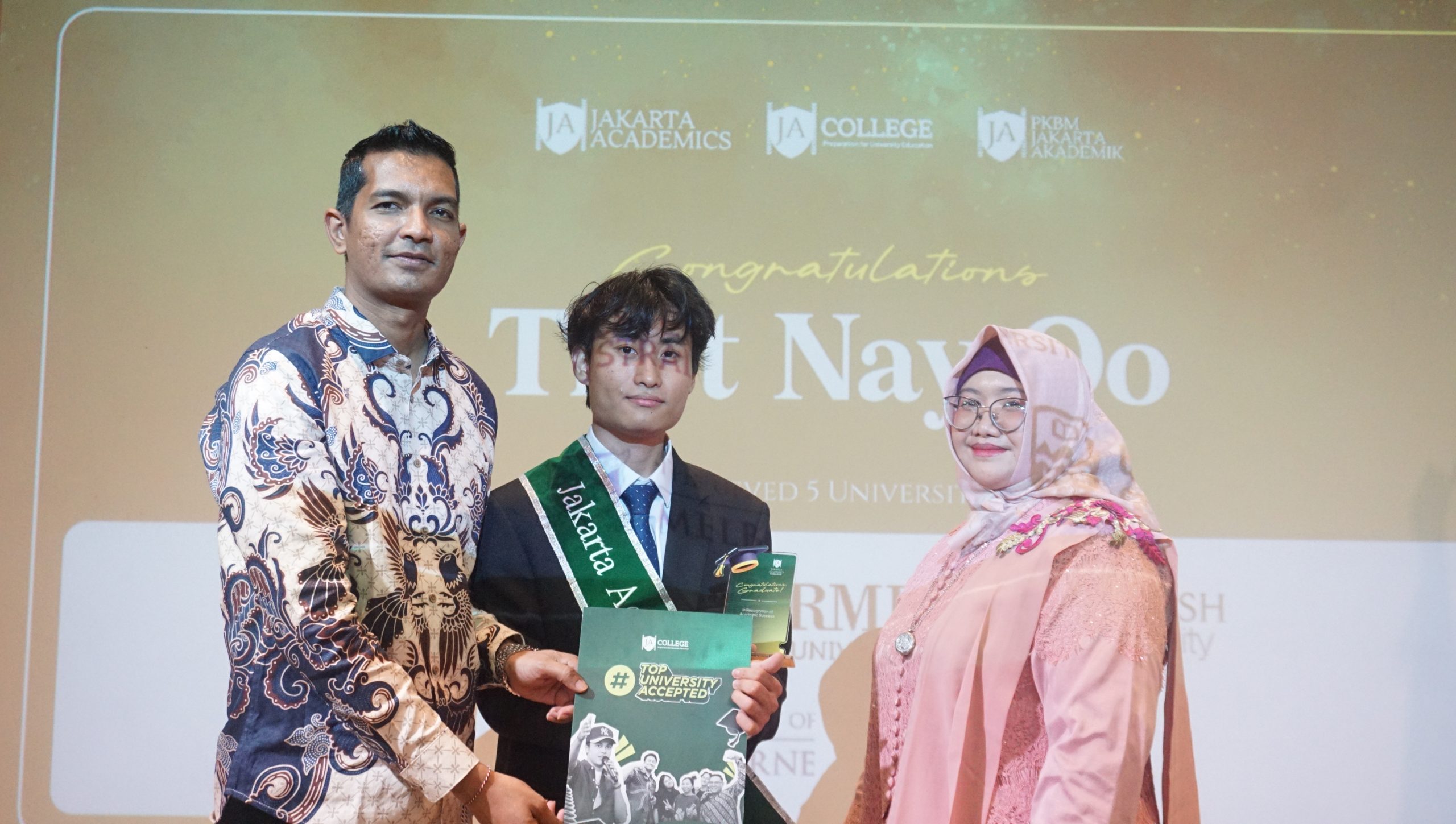
If we simplify everything: If you’re in Junior High Explore. Learn about countries, universities, subjects, careers, and yourself. Grade 10 Plan. Start thinking about your academic direction, possible destinations, and qualifications. Grade 11Prepare. Focus on academics, English, university research, and your pathway. Grade 12 Apply. Finalise universities, prepare documents, meet requirements, and submit applications.
After high school, Find the right pathway. If you haven’t prepared earlier, options such as Foundation or other pre-university routes may still be available, depending on your goals and academic background.
The Earlier You Plan, the More Options You Have
Starting early doesn’t mean you need to know exactly what you’re going to do. It means you have time to figure it out. You can change your target country, explore different degrees, improve your grades, develop your English, compare qualifications, research scholarships, change your university shortlist, and choose a different academic pathway.
The later you start, the fewer opportunities you may have to make those changes. So instead of asking, “Am I too young to think about studying abroad?” A better question is: “What can I start doing now that will give me more options later?”
Your Study Abroad Journey Starts Earlier Than You Think
Studying abroad doesn’t start when you submit your university application. It starts when you begin thinking about where you want your education to take you. For some students, that might be during junior high. For others, it might be Grade 10. And for some, the decision may only come after high school.
There isn’t one perfect timeline for everyone. But one thing is certain: The earlier you understand your options, the more time you have to make better decisions. So don’t just ask: “Which university do I want to go to?” Ask: “What pathway will help me get there?”
That might mean continuing with the Indonesian National Curriculum, choosing an international qualification, pursuing A Level, taking a Foundation Programme, or exploring a Junior College pathway. The right answer depends on you: your goals, your academic background, your intended degree, and the university you want to reach.
Ready to Start Planning?
At Jakarta Academics College, students can explore International A Level and Foundation pathways designed to prepare them for their next academic step. If you’re an Indonesian student—or a parent—thinking about university abroad but aren’t sure when to start or which pathway makes sense, you don’t need to have all the answers today.
Start with a conversation. Because studying abroad doesn’t start at the airport. It starts with the decisions you make today.
Frequently Asked Questions
When should I start preparing to study abroad?
For most students, starting serious preparation 2–3 years before university is a good approach. However, exploration can begin much earlier, especially if you already have a clear interest in studying abroad.
Is Grade 10 too early to prepare for university abroad?
No. Grade 10 is a good time to start researching universities, countries, degrees, qualifications, and subject requirements. You don’t need to start applying yet.
Can Indonesian students study abroad through the National Curriculum?
Yes. Students from the Indonesian National Curriculum can apply to universities overseas. However, requirements vary between universities and countries, so students should always check the specific entry requirements of their target programme.
Should I take A Level if I want to study abroad?
A Level can be a suitable international qualification for students planning to apply to overseas universities. However, whether it is the best choice depends on the student’s intended degree, target universities, and academic goals.
Is Foundation a good pathway to study abroad?
A Foundation Programme can be a useful bridge between secondary education and university, particularly for students who want a focused pathway toward undergraduate study. The specific progression options should always be checked with the programme and target university.
Do I need IELTS to study abroad?
It depends on the university and country. Some universities require IELTS or another English proficiency test, while others may accept different forms of evidence. Always check the latest requirements of your target university.
Can I prepare for university abroad after graduating from high school?
Yes. While earlier preparation gives you more flexibility, students can still explore options such as Foundation and other pre-university pathways after completing high school.

You know where you want to go. Maybe it’s the UK. Maybe Australia, Singapore, Malaysia, or somewhere else. You’ve started looking at universities. You’ve checked the courses. Maybe you’ve even found your dream university. But then comes a question that is often overlooked: How do you actually get from an Indonesian high school to a university abroad? At first, it sounds simple. Finish high school, get good grades, apply to university, and go. But international university admissions can be more complicated than that.
Different universities have different entry requirements. Some degrees require specific subjects. Qualifications can differ between education systems. And students may need to prepare for academic English, university applications, and a completely different style of learning. This doesn’t mean Indonesian students following the National Curriculum can’t study abroad. They absolutely can. The question is different: If studying abroad is the goal, should your education pathway also be designed with that goal in mind? This is where Junior College could become the missing link between Indonesian high school and university abroad.
Can Indonesian Students Study Abroad Through the National Curriculum?
Yes. The Indonesian National Curriculum can absolutely lead students to universities overseas. Many Indonesian students successfully continue their education abroad after graduating from national schools.
So this isn’t about saying that one curriculum is “good” and another is “bad.” It’s about alignment.
The National Curriculum is designed primarily within Indonesia’s education system. When a student decides to study overseas, they may need to understand how their academic background fits the requirements of a particular university and degree.
That can involve looking at:
- Academic qualifications
- Required subjects
- Grades
- English requirements
- Application deadlines
- Country-specific admission systems
- University-specific requirements
None of this is impossible. But it can mean that students and parents have to do more of the navigation themselves. And this raises an interesting question: What if your pre-university education was already built around the idea of going to university abroad?
What Is a Junior College?
For many Indonesian parents, “Junior College” is still a relatively unfamiliar term. We’re much more used to hearing:
SMA → University
or
International School → University
A Junior College sits somewhere in between secondary education and university. But it’s not simply another name for high school. The idea is to focus more deliberately on preparing students for higher education. That preparation can include an internationally recognised qualification, academic subject specialisation, university-level learning skills, and guidance around university progression. For students who already have an international university in mind, this can create a much clearer connection between what they’re studying today and where they want to go next. Instead of thinking: “I need to finish school.” the mindset becomes: “I’m preparing for university.” That difference matters.
The Missing Link Between High School and University

Think about the traditional journey:
High School → Graduate → Figure Out University → Apply → University
Now compare it with a more intentional pathway:
High School → Junior College → International Qualification → University Preparation → University Abroad
The second pathway isn’t necessarily shorter. It isn’t a guarantee of admission either. But it can be more structured. Students have an opportunity to think about their university destination earlier and make academic decisions accordingly. For example, a student who wants to study Engineering can start thinking about the subjects and academic preparation that will support that goal. A student interested in Business can explore the qualifications and subjects that are relevant to their intended degree.
Instead of choosing subjects simply because they’re available, students can begin asking:
“How does this connect to where I want to go?”
Why Does an International Qualification Matter?
One of the biggest differences between a traditional national pathway and an international Junior College pathway is the qualification students work toward. For example, students can pursue International A Level or a Foundation Programme as their pre-university pathway. International A Level is a subject-based qualification that is widely recognised for university admission internationally.
Foundation, meanwhile, is designed specifically as a bridge between secondary education and undergraduate study.
Both can provide students with a more internationally oriented academic experience before university.
This doesn’t mean an international qualification is automatically “better” than a national one.
It means it can be more directly aligned with an international university goal. Think of it as planning a journey. If you know where you’re going, it makes sense to choose a route that is designed to take you there.
A Level vs National Curriculum: What’s the Difference?

This is one of the questions parents often ask. The answer isn’t simply that one is better.
They serve different purposes. The National Curriculum is designed primarily for Indonesia’s education system. International A Level is designed as an internationally recognised academic qualification, with students studying selected subjects in greater depth. For a student planning to study abroad, A Level can provide an academic framework that is already familiar to many international universities.
It can also give students greater subject specialisation.
For example, a student interested in:
- Business
- Economics
- Engineering
- Psychology
- Computer Science
- Social Sciences
can think more intentionally about the subjects they take and how those subjects connect with their future degree. The key isn’t choosing the “most prestigious” qualification. It’s choosing the qualification that makes sense for where you want to go.
What About Foundation?
For some students, A Level isn’t necessarily the only or best option. A Foundation Programme can be another route. Foundation is designed to help students transition from secondary education into undergraduate study. It can be particularly useful for students who already have a relatively clear idea of what they want to study and want a focused university preparation pathway. At Jakarta Academics College, the Foundation Programme is designed as a fast-track pathway, typically taking nine months.
This can be attractive to students who want to move efficiently toward university while spending their pre-university year developing the academic knowledge and skills relevant to their intended degree.
So, in simple terms: A Level can offer a broader, subject-based international qualification.
Foundation can offer a more focused bridge toward university. Which one is right depends on the student, the intended degree, and the target university.
It’s Not Just About Getting Into University
Here’s something that often gets forgotten when people talk about studying abroad. Getting accepted is only the beginning. University abroad can be very different from high school. Students may suddenly be expected to:
- Manage their own deadlines
- Write academic essays
- Conduct independent research
- Analyse information
- Participate in discussions
- Give presentations
- Learn independently
- Communicate with people from different backgrounds
That’s why university preparation should involve more than simply meeting admission requirements.
Students also need to become ready for university-level learning. This is one of the areas where a Junior College environment can make a real difference. The goal isn’t simply: “Get the grades and get accepted.”
It’s:
“Develop the skills to succeed once you get there.”
Why Personalised Learning Matters
Not every student needs the same pathway. One student might know exactly which university they want.
Another might know they want to study abroad but still be deciding between Business and Psychology.
Someone else might need more academic support before they’re ready for university-level study.
That’s why personalisation matters. In a smaller learning environment, teachers can understand individual students more closely. They can identify where a student is strong, where they need support, and where they can be challenged further.
At Jakarta Academics College, small classes and personalised learning are part of the approach to preparing students for their next academic stage. Because sometimes students don’t need more subjects.
They need more attention to the subjects that matter to them.
Does Junior College Increase Your Chance of Studying Abroad?
Let’s be realistic. No school can guarantee university admission.
Universities make their own admission decisions, and students still need to meet the academic and other requirements of their chosen programme. But a well-designed Junior College pathway can potentially put students in a stronger position by connecting several important pieces:
International Qualification
↓
Relevant Subjects
↓
Academic Preparation
↓
University Requirements
↓
University Application
↓
International University
That’s the real advantage. It’s not about promising: “Go to Junior College and you’ll definitely get into a foreign university.” It’s about creating a pathway where the student’s education is aligned with the destination from the beginning. And for many students, that can make the entire process easier to understand.
What Should Students and Parents Consider Before Choosing a Pathway?
If you’re considering studying abroad, don’t start by asking only:
“Which school is the best?”
Start with better questions.
Where do you want to study?
The UK, Australia, Singapore, Malaysia, Canada, and other countries can have different systems and requirements.
What do you want to study?
Your intended degree can influence the subjects and qualifications you need.
What qualification does your university recognise?
Don’t assume every programme works the same way.
How long do you want your pathway to take?
A Level and Foundation have different structures and timelines.
What kind of learning environment suits you?
Some students thrive in large schools. Others perform better in smaller, more personalised environments.
Who will help you plan the university application?
Studying abroad involves more than academics. Students may need guidance throughout the application process. The earlier these questions are answered, the more intentional the pathway becomes.
Why Jakarta Academics College?
This is where Jakarta Academics College (JAC) comes in. JAC was built around a simple idea:
What happens between high school and university matters. Rather than treating pre-university education as simply another step before university, JAC focuses on preparing students for what comes next. Students can choose between International A Level and Foundation pathways, depending on their academic background and university goals. The learning environment is designed around:
- Small classes
- Personalised learning
- Academic support
- International qualifications
- University preparation
The idea isn’t to tell every student that they need the same route. It’s to help students understand which route makes sense for them. Because the best education pathway isn’t necessarily the one that works for everyone. It’s the one that works for you.
You Don’t Have to Leave Indonesia to Start Preparing for University Abroad
There’s also a common assumption that students need to leave Indonesia early if they want an international education. They don’t necessarily have to. Students can complete their pre-university education in Indonesia and then continue to university overseas. For some families, this offers a balance:
International academic preparation + staying close to home.
Students can develop greater independence and prepare for an international academic environment while still having the support of their family. Then, when they’re ready, they can take the next step overseas.
Maybe the Question Isn’t “Which School Is Better?”
Maybe it’s: “Which pathway makes the most sense for where my child wants to go?”
That’s a much better question. The National Curriculum can lead to university abroad. International qualifications can lead to university abroad. There isn’t one universal answer. But if studying abroad is the goal, it makes sense to consider an education pathway that is designed with international university progression in mind. That’s where Junior College can play an important role. It becomes the bridge between:
Where you are now
and
Where you want to go next.
Choosing the next step after high school is exciting, but it can also come with a lot of questions.
Should you choose a more flexible pathway? Which qualification suits your university goals? Is studying abroad realistic? What should you prepare now to make future applications stronger?
At Jakarta Academics College, we believe that these decisions should not feel rushed or confusing. Sometimes, all it takes is the right conversation.
That is why on 4 July 2026, we are inviting students and parents to join our Open House – a chance to sit down with our team, ask questions openly, and explore educational pathways in a more personal setting.
This is not about sitting through presentations. It is about helping you understand your options and finding a direction that feels right for you.
A More Personal Way to Explore Your Future

Every student’s journey looks different.
Some students join us knowing exactly which university they want to aim for. Others are still discovering what suits them best – and both are completely normal.
During our Open House, students and families will have the opportunity to speak directly with our academic and admissions team about their goals, interests, and plans for the future. Whether you are exploring international pathways, considering more flexibility in your studies, or simply looking for clarity on what comes next, our team is here to guide the conversation.
What You Can Expect
This Open House is designed to give you practical answers and personalised guidance.
You can consult with our team about:
- Academic pathways and programme options
- University preparation and future planning
- Flexible study opportunities
- Admission processes and next steps
- Finding a learning experience that aligns with your goals
No pressure, no one-size-fits-all advice – just meaningful conversations focused on helping students move forward with confidence.
Why Families Choose to Start Here
Making educational decisions can feel overwhelming when there are so many choices available.
What many families value most is having the opportunity to ask questions directly, talk through possibilities, and gain clearer understanding before committing to a path.
At Jakarta Academics College, we aim to create an environment where students feel supported not only academically, but also in discovering what success means for them.
Sometimes the best next step is not having all the answers yet – it is starting the conversation.
Save Your Seat
Spaces are limited to ensure each student and family receives dedicated consultation time.
Join us, ask your questions, explore your options, and take the first step toward planning your future with greater confidence.
Register now and speak with our Admissions Team to reserve your consultation slot.
For students planning to study overseas, choosing the right academic pathway can make the university application process clearer and more achievable.
At Jakarta Academics College, the International Foundation Year programme is designed to support students who want to build academic readiness, strengthen university-level skills, and prepare for higher education internationally.
One student achievement that reflects this journey is Nabila Sagesta Putri, who completed the International Foundation Year and successfully received five university offers across the United Kingdom and New Zealand.
An International Foundation Year in Indonesia That Supports Global Goals
Preparing to study abroad often involves more than meeting entry requirements. Students also need to adapt to different academic expectations, strengthen independent learning habits, and build confidence for university life.
The International Foundation Year at Jakarta Academics College supports students who are planning to study overseas by helping them develop the academic skills and confidence needed for university progression.
As part of a study abroad pathway, the programme helps students take meaningful steps toward international higher education while preparing for the transition into university.
For Gesta, this preparation became an important part of her journey.
From Foundation Year to Five International University Offers
After completing the programme, Gesta received offers from five international universities:
- Manchester Metropolitan University
- University of Salford
- Leeds Beckett University
- University of Salford
- University of Otago
- University of Dundee
Receiving five university offers reflects not only academic preparation but also the consistency, commitment, and effort invested throughout the university application process.
For students considering UK university preparation or exploring international options beyond the UK, achievements like this demonstrate how a structured academic pathway can create more opportunities and provide greater flexibility when deciding on the next step.
Supporting Students Beyond University Applications
University preparation is not only about receiving offers – it is also becoming ready for the academic experience ahead.
At Jakarta Academics College, students are encouraged to build critical thinking, academic communication, and independent learning skills while preparing for university admissions and future success.
Through personalised guidance and academic support, students are given the opportunity to prepare with greater confidence as they work toward their goals.
Gesta’s achievement highlights how preparation and commitment can open doors to international opportunities.
Start Your Study Abroad Journey
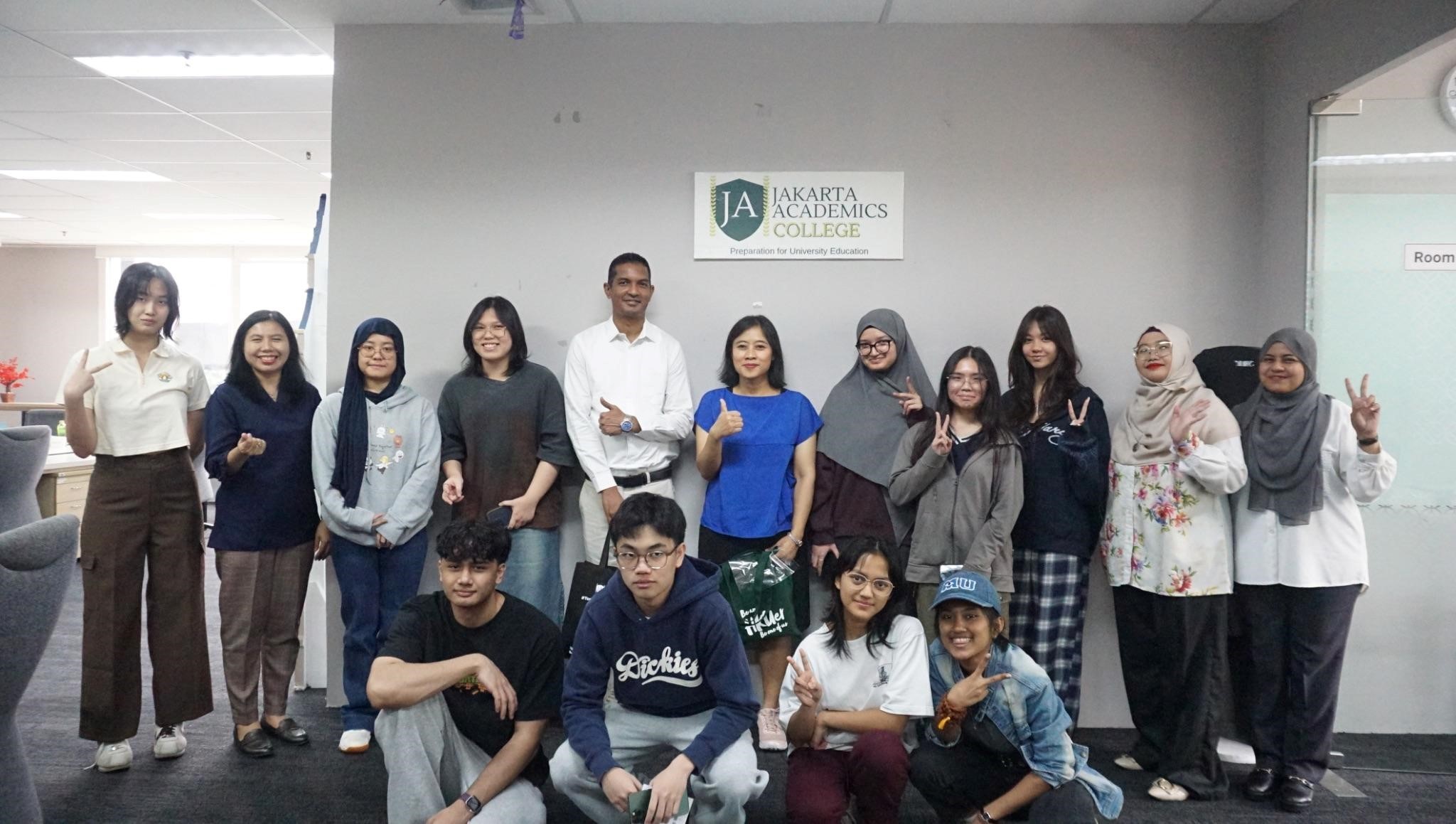
For students and families exploring international education options, early preparation can make a meaningful difference.
Whether the goal is UK university preparation or finding the right study abroad pathway after high school, the International Foundation Year at Jakarta Academics College is designed to help students move forward with confidence.
Interested in learning more? Contact the admissions team to explore the International Foundation Year programme and discover how Jakarta Academics College supports students preparing for university abroad.

Choosing a university is exciting – but it can also feel overwhelming.
One day you’re thinking about studying business. The next day, you’re interested in psychology, engineering, media, design, or something completely different. With so many options available today, it can feel difficult to know which university is the right fit.
The good news?
You do not need to have everything figured out right now.
Your university journey should reflect your interests, strengths, goals, and ambitions – not someone else’s expectations.
At Jakarta Academics College, we believe that university preparation should be personalised. Instead of preparing students for one specific destination, we support students in exploring opportunities and building pathways toward 100+ universities worldwide.
Why Personalised University Preparation Matters
No two students are exactly the same.
Some students already know what they want to study. Others are still exploring different interests and future careers.
Traditional education often expects students to follow the same academic route and make important decisions early. But finding the right university pathway takes time, exploration, and support.
A personalised university preparation approach helps students discover their strengths, explore opportunities, and make informed decisions about their future.
Because choosing a university should not feel like choosing your entire life.
What Does Personalised University Preparation Look Like?
Personalised university preparation means receiving support that aligns with your individual goals and ambitions.
Rather than following one fixed route, students receive guidance that supports their own academic and university journey.
This includes:
- Exploring university options worldwide
- Discovering subjects and future career interests
- Strengthening academic performance
- Developing independent learning habits
- Preparing strategically for university applications
- Building experiences beyond the classroom
The goal is not simply getting accepted into university.
The goal is preparing students for opportunities that genuinely fit them.
Explore Opportunities Across 100+ Universities Worldwide
Preparing for university should open doors – not limit them.
At Jakarta Academics College, students are supported through university preparation pathways connected to 100+ universities worldwide, allowing them to explore different destinations, learning environments, and academic opportunities.
Students can explore opportunities across countries including the United Kingdom, Australia, New Zealand, Canada, and beyond, with pathways to universities such as:
- University of Birmingham
- University of Bristol
- University of Sheffield
- Lancaster University
- University of Bradford
- University of Alberta
- The University of Auckland
- The University of Western Australia
- RMIT University
- Swinburne University of Technology
- University of Otago
- Massey University
- University of Canterbury
And many more.
Because your future should not depend on only one option.
Small Classes, More Support
Big goals need the right environment.
Smaller class sizes create more opportunities for students to receive meaningful support throughout their university preparation journey.
With a smaller learning environment, students can:
- Ask more questions confidently
- Receive personalised academic feedback
- Participate more actively
- Build stronger relationships with teachers
- Receive guidance based on individual goals
When educators understand students individually, preparation becomes more meaningful.
University Preparation Is About More Than Grades
Strong grades matter – but universities today often look beyond academics.
Students are increasingly expected to demonstrate:
- Critical thinking
- Communication skills
- Initiative
- Leadership
- Adaptability
- Independent learning
That’s why effective university preparation means developing skills that continue to matter long after graduation.
Start Building Your Future Today
Your university journey should be more than following expectations.
It should help you discover opportunities, develop your strengths, and prepare for a future that feels right for you.
At Jakarta Academics College, students are supported through personalised university preparation, small-sized classes, and opportunities to prepare for 100+ universities worldwide.
Ready to Explore Your University Options?
Contact our Admissions Team today and discover how Jakarta Academics College can help you prepare for your future.

At Jakarta Academics College, we believe every student’s journey is different – but every journey deserves to be celebrated.
Today, we are proud to recognise an incredible milestone achieved by one of our
International Foundation Year (IFY) students, Jeremy Gache, who has received multiple university offers from respected institutions across Europe and the United Kingdom.
This achievement reflects not only academic readiness, but also commitment, consistency, and the confidence to pursue opportunities on a global stage.
A Journey Built Through Preparation and Ambition
Choosing to continue education overseas is an exciting step, but it also comes with preparation, planning, and dedication.
Through the International Foundation Year programme at Jakarta Academics College, Jeremy spent time strengthening his academic foundation while preparing for university application and future progression pathways.
His journey demonstrates how students can develop the skills, qualifications, and confidence needed to access universities internationally.
University Offers Across Europe and the United Kingdom
Jeremy successfully received offers from:
- Paris School of Business – France
- Utrecht Hogeschool – The Netherlands
- Liverpool John Moores University – United Kingdom
- Newcastle University – United Kingdom
- York St John University – United Kingdom
Receiving multiple offers from universities across different countries opens opportunities to explore diverse academic environments, international networks, and future career possibilities.
Each offer represents recognition of Jeremy’s potential and the effort invested throughout his academic journey.
The International Foundation Year Advantage
The International Foundation Year at Jakarta Academics College is designed to support students as they transition into higher education pathways around the world.
Beyond academics, students receive guidance throughout their journey – from preparing for university applications to understanding progression opportunities that align with their personal goals and ambitions.
Jeremy’s achievement reflects what can happen when students combine determination with the right academic support system.
Looking Ahead
While choosing a university destination is an exciting decision ahead, one thing is already certain – Jeremy has created opportunities that extend beyond borders.
We are incredibly proud to have been part of this chapter and look forward to seeing where his next journey takes him.
Congratulations once again, Jeremy. Your achievement inspires future students to dream bigger and pursue opportunities with confidence.
Be the Next Success Story
Your university journey starts with the choices you make today.
Whether your goal is to study in the UK, Europe, Australia, or beyond, Jakarta Academics College is here to help you prepare for what comes next.
Be the next student to turn ambition into achievement – and let your global journey begin with Jakarta Academics College.

A few years ago, most teenagers worried about exam scores, university applications, or choosing the “right” major.
Today, many students are asking a much bigger question:
“What if AI replaces jobs before I even graduate?”
It’s a concern that many students quietly carry, especially those considering studying abroad. With artificial intelligence advancing rapidly, some wonder whether pursuing a university degree is still worth the investment.
Social media only adds to the uncertainty. Every day, students encounter headlines such as:
- “AI will replace humans.”
- “Degrees are becoming useless.”
- “You don’t need university anymore.”
- “Everything can be learned online.”
After seeing these messages repeatedly, it’s understandable why some students feel hesitant about their future.
But here’s the reality:
AI is changing the world, but that doesn’t mean students should stop investing in their education or dreaming bigger for themselves.
In fact, the rise of AI may make international education more valuable than ever.
Why Teenagers Are Feeling More Uncertain
Many students today are not lacking ambition. They are simply overwhelmed by how quickly the world is changing.
One moment they are encouraged to work hard for university. The next, they see AI tools that can:
- Write essays
- Create presentations
- Generate artwork
- Build websites
- Answer interview questions
Naturally, students begin asking:
“If AI can already do all of this today, what will happen in five years?”
These concerns become even stronger when considering overseas education. Studying abroad requires a significant investment of time, effort, and financial resources, so students want reassurance that their future remains secure.
However, there is one important thing to remember:
Technology has always transformed the world.
The internet changed how we communicate. Smartphones transformed entire industries. Social media reshaped how people connect.
Yet throughout these changes, people adapted. New careers emerged. New industries were created. Opportunities continued to grow.
The same is happening with AI.
AI Is Powerful — But It Is Still a Tool
One of the biggest misconceptions about AI is that it will completely replace humans.
The reality is far more nuanced.
AI can process information quickly. It can automate repetitive tasks. It can improve efficiency and productivity.
But AI cannot fully replicate human experiences, emotions, and relationships.
It cannot genuinely replace:
- Empathy
- Emotional intelligence
- Leadership
- Cultural awareness
- Creativity
- Resilience
- Personal growth
These qualities are what make us human.
Interestingly, as AI becomes more capable, these human-centered skills are becoming even more valuable.
Employers increasingly seek individuals who can:
- Think critically
- Communicate effectively
- Solve problems creatively
- Collaborate with others
- Adapt to change
These are skills that technology can support, but not fully replace.
Studying Abroad Teaches More Than Academics

Many students view studying abroad as a way to earn a degree.
In reality, it offers much more than academic qualifications.
Students who study overseas often learn how to:
- Live independently
- Manage challenges on their own
- Adapt to different cultures
- Communicate with people from diverse backgrounds
- Build confidence in unfamiliar situations
For many young people, studying abroad becomes the first experience that truly pushes them outside their comfort zone.
They develop responsibility.
They become more adaptable.
They gain confidence in solving real-world problems.
These experiences shape personal growth in ways that no technology can replicate.
A classroom teaches knowledge.
Living in another country teaches life skills.
And those life skills continue to matter in every industry.
The Future Belongs to People Who Can Work With AI
Many students see the future as a competition between humans and artificial intelligence.
In reality, the future will belong to people who know how to use AI effectively.
Think about calculators, computers, and the internet. These technologies transformed industries, but they also created entirely new opportunities.
AI is simply the next evolution.
The students who succeed will be those who combine technology with uniquely human abilities.
For example:
- Business professionals can use AI-driven insights to make better decisions.
- Marketers can use AI tools while still creating campaigns that connect emotionally with audiences.
- Doctors can use AI diagnostics while continuing to provide human care and empathy.
- Designers can improve workflows with AI while maintaining creative direction.
AI may improve efficiency, but human judgment remains essential.
Social Media Often Amplifies Fear
One reason students feel anxious today is the constant exposure to extreme opinions online.
Short-form content frequently promotes messages like:
- “University is useless.”
- “Degrees are dead.”
- “AI will replace everyone.”
While these headlines attract attention, they rarely tell the full story.
Yes, AI is changing industries.
Yes, students should learn to adapt.
But that does not mean education has lost its value.
If anything, education is becoming more important because students need guidance to think critically, evaluate information, and navigate an increasingly complex world.
Watching videos online is not the same as developing:
- Professional communication skills
- Collaboration abilities
- Critical thinking
- Leadership
- Real-world experience
These are competencies that education continues to help students build.
Human Skills Are Becoming More Valuable
Ironically, as technology advances, human skills become increasingly important.
Employers are looking for people who can:
- Lead teams
- Communicate clearly
- Understand people
- Think creatively
- Adapt quickly
Studying abroad naturally strengthens these abilities.
Students are constantly exposed to new environments, different perspectives, and unfamiliar challenges.
Something as simple as presenting to international classmates, adjusting to a different education system, or navigating a new culture helps students become more confident, adaptable, and globally minded.
These experiences contribute to personal growth in ways that cannot be learned from a screen alone.
The Future Is Still Full of Opportunity
It’s important to remember that many careers today barely existed ten or fifteen years ago.
Roles such as:
- Content Creator
- UX Designer
- Social Media Strategist
- App Developer
- AI Specialist
were either uncommon or did not exist at all.
The same will happen in the future.
AI will create new industries, new professions, and new opportunities that we cannot fully predict today.
That’s why adaptability matters more than memorisation.
Students who study abroad gain exposure to innovation, entrepreneurship, global networks, and emerging industries, helping them remain flexible in a rapidly changing world.
Don’t Let Fear Shrink Your Dreams
One of the most concerning trends today is that some students are beginning to dream smaller because the future feels uncertain.
Uncertainty is natural.
But uncertainty should never stop students from investing in themselves.
Studying abroad is not only about preparing for a career.
It is about:
- Discovering your potential
- Building confidence
- Expanding your perspective
- Developing independence
- Learning how to navigate the world
These experiences remain valuable regardless of how technology evolves.
AI Should Inspire Growth, Not Fear
AI is undoubtedly transforming the future.
But it does not diminish the importance of education, ambition, or global exposure.
If anything, it highlights how valuable adaptability, communication, and human connection truly are.
The future will not belong solely to those with technical knowledge.
It will belong to people who can combine technology with creativity, emotional intelligence, critical thinking, and adaptability.
At JA College Jakarta & Bali, we encourage students to see AI as a tool, not a reason to limit their aspirations.
The future may look different from today, but it is still full of opportunities for those who remain curious, adaptable, and globally minded.
Sometimes, the best way to prepare for an unpredictable future is not by avoiding change, but by embracing it.
Ready to Explore Your Study Abroad Pathway?
If you would like to learn more about university preparation, international pathways, or studying abroad opportunities, our admissions team is here to help.
Contact JA College Jakarta & Bali today and take the first step toward a future built on confidence, adaptability, and global opportunities.