Study Abroad After High School in Indonesia: Foundation vs Diploma – Which Pathway Is Right?

Foundation Programme

For many students in Indonesia, the idea of studying abroad after high school is becoming more and more common. Universities in countries like Australia and the UK offer exciting opportunities, from world-class education to the chance to experience life in a completely new environment.

But when students start researching how to study overseas, they often discover something they didn’t expect:  the journey doesn’t always begin directly with a bachelor’s degree.

Instead, many international students start with what are called pathway programmes. Two of the most common options are Foundation programmes and Diploma programmes. Both can lead to university abroad, but they take slightly different approaches.

If you’re planning to study abroad after high school in Indonesia, understanding how these two pathways work can make the decision much easier.

What is a Foundation programme?
A Foundation programme is designed to help students transition from high school to university. You can think of it as a preparation year that helps students build the academic skills they’ll need before starting their degree.

Most foundation programmes take around one year to complete. During this time, students develop essential academic skills such as research, academic writing, presentations, and critical thinking. These skills are particularly important for students transitioning into an international university environment.

Students also study subjects related to their intended field. For example, students who plan to pursue degrees in areas such as business, science, or psychology may take introductory subjects that help them build the foundation needed before starting their university programme.

After completing the programme, students usually progress to the first year of a bachelor’s degree at university.

What students study in a Foundation programme

While the structure can vary between institutions, foundation programmes typically combine subject-based learning with university preparation skills.

Students may study subjects such as:

  • English
  • Business or Economics
  • Mathematics
  • Physics
  • Biology
  • Chemistry
  • Academic writing and communication skills

The goal is not only to introduce students to their future field of study, but also to help them develop the confidence and academic habits needed for university learning.

What is a Diploma programme?

A Diploma programme works a little differently.

Instead of focusing mainly on preparation, diploma programmes allow students to begin studying subjects related to their degree almost immediately. In many cases, the coursework is similar to what students would study in the first year of a bachelor’s degree.

Diploma programmes are usually more specialised and focus on a specific field, such as business, information technology, engineering, or hospitality. Most of these programmes take one to two years to complete.

After finishing the diploma, students can often continue directly into the second year of a bachelor’s degree, depending on the university.

Because of this structure, diploma programmes are often appealing to students who already know what they want to study and would like to start focusing on that subject earlier.

So what’s the real difference?

Both pathways can lead to the same destination – a bachelor’s degree at an international university.

The difference lies in how the journey begins.

A Foundation programme focuses more on preparation. It helps students strengthen their academic skills and adjust to university expectations before starting their degree.

A Diploma programme, on the other hand, allows students to begin studying their chosen field earlier and may lead more directly into the later stages of a degree.

Neither pathway is necessarily better than the other. It simply depends on what works best for the student.

Which pathway should you choose?
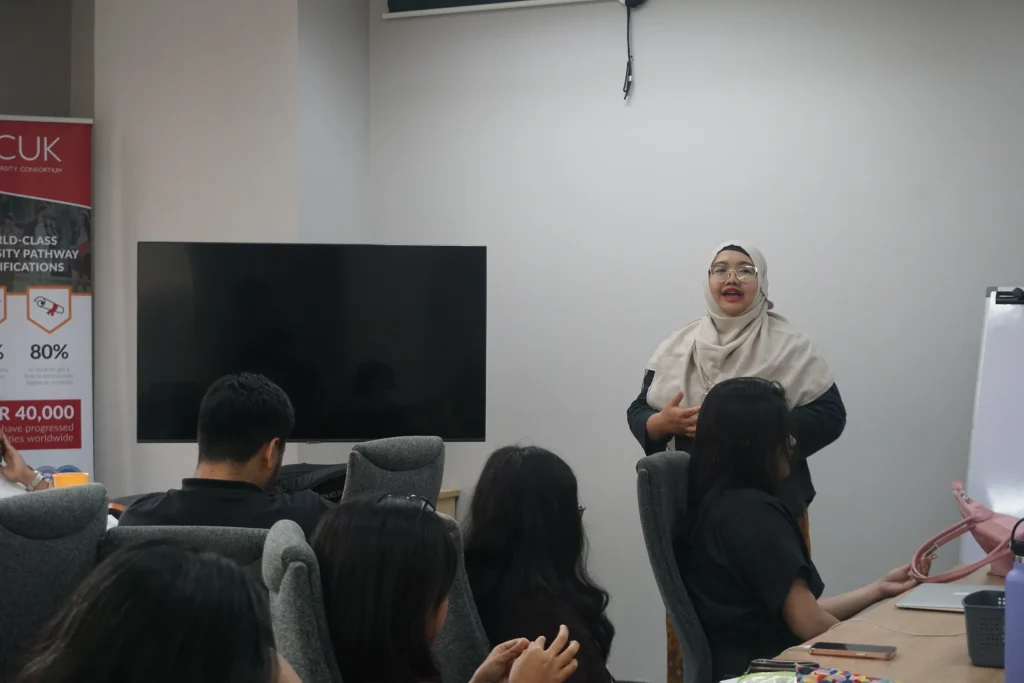
Choosing between a Foundation programme and a Diploma programme would often depend on a few key factors.

Students who want more time to adjust to university-level study or who are still exploring their academic interests may find that a Foundation programme suits them well.

Meanwhile, students who already have a clear idea of what they want to study may prefer the Diploma pathway, since it allows them to focus on their chosen subjects earlier.

For students planning to study abroad after high school in Indonesia, both options can open the door to universities around the world.

Starting your study abroad journey
Planning to study overseas can feel exciting, but also a little overwhelming at first. Between choosing a country, a university, and the right pathway, there are many decisions to consider.

That’s why having the right guidance can make such a big difference.

At Jakarta Academics College (JA College), students receive support in exploring international study pathways through Foundation programmes designed to prepare them for university abroad. With the right preparation and direction, students can build the academic skills and confidence needed before starting their degree overseas.

Students who complete a Foundation pathway can continue their studies at universities abroad, including universities in countries such as Australia and the UK.

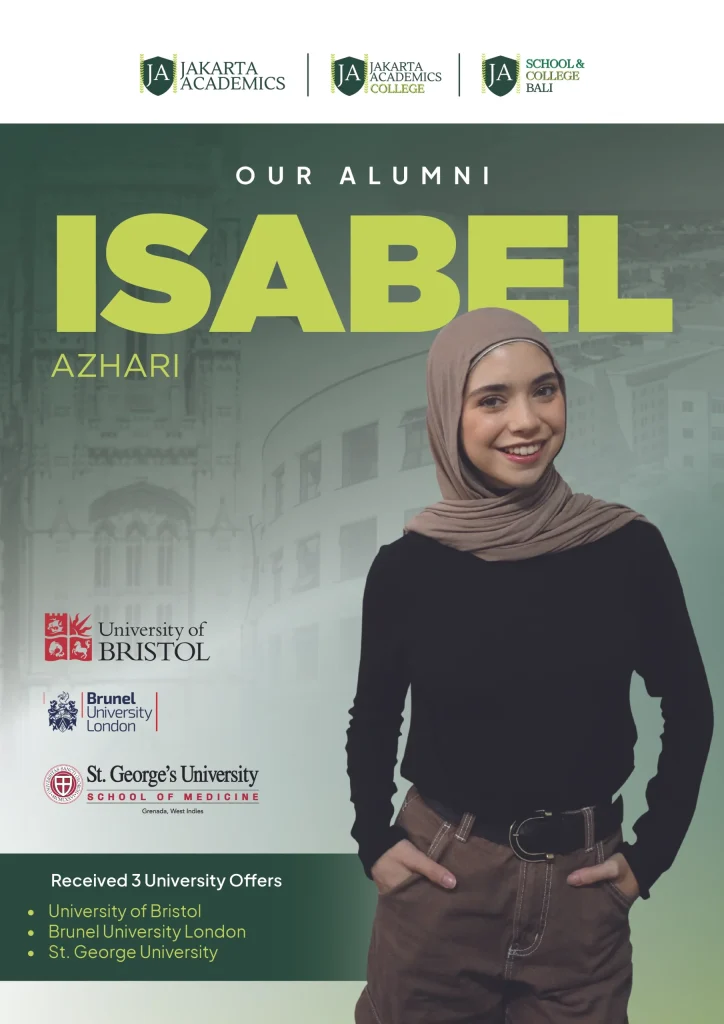
In fact, one of our alumni recently received three university offers in the UK, including from University of Bristol, Brunel University London, and St George’s, University of London, which shows how the right preparation can open doors to excellent universities.

If you’d like to learn more about Foundation pathways and studying abroad, contact our Admission Team for personalised guidance.

Recent Post

What Is Uni Prep – and Why It Matters More Than You Think

For many students, getting into university is seen as the main goal.

But what often gets overlooked is this: getting into university and being ready for university are two very different things. 

This is where uni prep (university preparation) becomes important.

What Is Uni Prep? 

Uni prep refers to a structured approach designed to prepare students for the academic, personal, and practical demands of university life. 

It is not just about meeting entry requirements. Instead, it focuses on helping students build the skills, mindset, and confidence needed to succeed once they are there.

Many universities and institutions offer uni prep programs as a pathway into higher education or as a transition phase before starting a degree. These programs help students understand what university-level study actually requires and how to adapt to it.

At its core, uni prep is about one thing:

making sure students don’t just enter university – but thrive in it. 

Why Uni Prep Is Becoming Increasingly Important

The jump from school to university is bigger than many students expect.

In school, learning is often guided:

  • Teachers check progress regularly
  • Schedules are structured
  • Support is more immediate

At university, this changes completely.

Students are expected to:

  • Learn independently
  • Manage their own time
  • Handle more complex academic work
  • Take responsibility for their progress

Uni prep exists to bridge this gap – so students are not overwhelmed in their first year.

What Do Students Actually Learn in Uni Prep? 

A strong uni prep programme goes beyond academics. It develops a combination of hard skills, soft skills, and real-world understanding. 

1. Academic Skills

Students are introduced to how learning works at university level, including:

  • Academic writing and research
  • Critical thinking and analysis
  • Note-taking and exam strategies
  • Understanding academic integrity (e.g. avoiding plagiarism)

These are essential because university assessments are very different from school-based exams.

2. Independent Learning Skills

One of the biggest shifts in university is independence.

Uni prep helps students learn how to:

  • Manage their own schedules
  • Plan assignments and deadlines
  • Study effectively without constant supervision

This builds self-discipline and consistency, which are key to long-term success.

3. Communication and Confidence

University is not just about studying – it’s also about expressing ideas.

Students develop:

  • Presentation skills
  • Collaboration skills
  • Confidence in discussions

These skills are especially important in international or hybrid learning environments.

4. Understanding University Systems

Many students enter university without fully understanding how it works.

Uni prep provides clarity on:

  • How courses and credits are structured
  • What professors expect
  • How assessments are graded
  • How to access academic support

This reduces confusion and helps students adapt faster.

5. Personal Development

Beyond academics, uni prep also focuses on the student as a whole.

This can include:

  • Goal setting and self-awareness
  • Stress management and wellbeing
  • Decision-making and responsibility

Because success at university is not just academic – it’s also personal.

Who is Uni Prep For? 

Uni prep is valuable for a wide range of students, including those who:

  • Feel unsure about their readiness for university
  • Want to strengthen their academic foundation
  • Plan to study abroad and adapt to a different system
  • Did not meet direct entry requirements
  • Want a smoother, more confident transition

In many cases, uni prep also serves as an alternative pathway into university, allowing students to progress into degree programmes after completing it.

Uni Prep Is Not Just About “Catching Up”

A common misconception is that uni prep is only for students who are behind.

In reality, it is just as valuable for students who are already capable – but want to be better prepared and more intentional. 

Students who go through proper preparation often:

  • Adjust faster in their first year
  • Perform more consistently
  • Feel more confident navigating university life

It is not about ability – it is about readiness. 

How Students Are Prepared at Jakarta Academics College

At Jakarta Academics College, uni prep is not treated as a short-term programme – it is part of a larger, more intentional learning journey. 

The focus is on preparing students not just for university entry, but for long-term success in higher education and beyond. 

Through:

  • Structured academic support
  • Flexible and personalised learning
  • International curriculum pathways

students are guided to develop both the skills and mindset required for university

More importantly, they are supported in understanding:

how they learn best, what they want to pursue, and how to get there. 

Preparing for What Comes Next

University is a major step – but it should not feel like a shock.

Uni prep helps turn that transition into a smoother, more confident experience.

Because in the end, success in university is not just about intelligence or grades.

It is about:

  • Preparation Adaptability
  • Confidence

And those are exactly the areas uni prep is designed to build.

Want to Learn More?

Every student’s path to university looks different.

If you’re exploring how to better prepare for higher education, Jakarta Academics College offers a personalised approach to uni prep – designed to support both academic success and personal growth.

Reach out to our admissions team to learn more about how we can support your journey.

Banyak Siswa Baru Bingung Masa Depan Saat Kelas 12. Kenapa Ini Masih Sering Terjadi?

Setelah lulus mau ke mana?
Pertanyaan ini sebenarnya sederhana, tapi masih jadi salah satu hal yang paling sering bikin siswa dan orang tua stres menjelang akhir sekolah.

Banyak siswa yang nilainya bagus, aktif, bahkan ikut banyak kegiatan. Tapi saat ditanya:

  • mau kuliah di mana,
  • mau ambil jurusan apa,
  • atau mau kerja di bidang apa,

jawabannya masih sering berubah-ubah dan yang paling sering terjadi, persiapan baru dimulai saat sudah kelas 12.

Padahal untuk masuk universitas luar negeri, banyak hal yang perlu dipersiapkan lebih awal:

  • akademik
  • pemilihan jurusan
  • personal statement
  • IELTS
  • portfolio
  • sampai understanding tentang sistem admissions universitas

Karena itu sekarang semakin banyak orang tua mulai sadar kalau memilih sekolah bukan cuma soal anak belajar, tapi juga soal:

apakah sekolah tersebut benar-benar membantu mempersiapkan masa depan anak setelah lulus?

Kenapa Banyak Siswa Masih Bingung Menentukan Jurusan?

Ini salah satu pain point paling umum.Banyak siswa sebenarnya belum benar-benar mengenal minat dan potensi mereka sendiri.

Ada yang ikut teman.
Ada yang ikut keinginan orang tua.
Ada juga yang memilih jurusan hanya karena terlihat bagus atau lagi trend.

Masalahnya, ketika masuk universitas dan ternyata tidak cocok, akhirnya:

  • kehilangan motivasi,
  • pindah jurusan,
  • atau bahkan berhenti di tengah jalan.

Dan ini jauh lebih sering terjadi daripada yang banyak orang kira.

Sistem Belajar yang Terlalu General Juga Jadi Tantangan

Di sistem sekolah biasa, siswa sering harus belajar terlalu banyak mata pelajaran sekaligus.

Akibatnya:

  • fokus terpecah
  • siswa sulit mendalami bidang yang benar-benar mereka suka
  • dan persiapan universitas jadi kurang maksimal

Karena itu sekarang mulai banyak siswa memilih jalur seperti A Level atau Foundation Programme yang lebih fokus dan terarah.

Di program seperti ini, siswa bisa belajar sesuai tujuan mereka.

Contohnya:

  • Suka business student fokus ke Economics & Business,
  • Engineering fokus ke Math & Physics,
  • Medicine fokus ke Biology & Chemistry.

Jadi sejak awal sudah lebih relevan dengan jurusan universitas yang dituju.

Kuliah ke Luar Negeri Sekarang Bukan Lagi Mustahil

Dulu banyak orang berpikir kuliah luar negeri hanya untuk siswa tertentu.Tapi sekarang akses informasi jauh lebih terbuka, dan semakin banyak universitas internasional mencari siswa dari berbagai negara, termasuk Indonesia.

Yang sering jadi masalah justru bukan kemampuan siswa, tapi:

  • kurangnya arahan
  • kurang memahami pathway
  • dan tidak tahu harus mulai dari mana.

Karena itu university pathway mulai jadi hal yang semakin penting.

Kenapa Foundation & A Level Mulai Banyak Dicari?

Karena program ini memang dirancang untuk persiapan universitas internasional.

Bukan hanya belajar akademik, tapi juga:

  • critical thinking
  • presentation
  • research
  • independent learning
  • hingga persiapan admissions universitas.

Selain itu, sistemnya juga lebih fleksibel dan fokus dibanding sekolah konvensional. Untuk banyak siswa, cara belajar seperti ini terasa lebih cocok dan lebih jelas arahnya.

Orang Tua Sekarang Mulai Mencari Sekolah yang Lebih Personal

Satu hal yang mulai sering jadi pertimbangan:

Apakah anak saya benar-benar diperhatikan?

Karena di kelas yang terlalu besar, banyak siswa akhirnya:

  • kurang percaya diri
  • sulit berkembang
  • atau bahkan kehilangan motivasi belajar.

Makanya konsep micro school mulai lebih banyak dicari.

Dengan kelas yang lebih kecil dan pendekatan lebih personal, siswa bisa mendapat perhatian yang lebih terarah sesuai kebutuhan dan tujuan mereka masing-masing.

JA School & College Bali Hadir dengan Pendekatan yang Lebih Terarah

JA School & College Bali merupakan sekolah internasional dengan konsep micro school yang menyediakan program mulai dari Primary, Secondary, hingga University Pathway seperti A Level dan Foundation Programme.

Fokus utama pembelajaran bukan hanya akademik, tapi juga membantu siswa memiliki arah yang jelas menuju universitas dan karier mereka di masa depan.

Dengan sistem belajar yang lebih personal, siswa dibimbing mulai dari:

  • pemilihan jurusan
  • university planning
  • hingga proses admissions universitas luar negeri.

JA School & College Bali juga menghadirkan 100% University Acceptance Guarantee untuk membantu siswa melanjutkan studi ke universitas luar negeri dengan pathway yang lebih jelas dan terarah.

Memilih Sekolah Sekarang Bukan Hanya Tentang Hari Ini

Banyak orang tua sekarang mulai sadar kalau memilih sekolah bukan cuma soal:

  • nilai
  • ranking
  • atau banyaknya tugas.

Tapi juga tentang:

  • apakah anak berkembang
  • apakah anak punya tujuan
  • dan apakah sekolah membantu mempersiapkan langkah setelah lulus.

Karena pada akhirnya, sekolah bukan hanya tempat belajar.
Tapi tempat mempersiapkan masa depan.

Persiapan masuk kuliah keluar negeri

Bukan Sekadar Lulus, Tapi Diterima di Universitas Internasional

Kuliah luar negeri sekarang jadi impian banyak siswa.
Tapi tidak semua tahu bagaimana cara benar-benar sampai ke sana.

Entah itu ke UK, Australia, atau negara lainnya, kesempatan untuk masuk ke universitas internasional sebenarnya terbuka cukup luas.

Tapi yang sering jadi masalah bukan di mimpinya, melainkan di langkah awalnya.

Banyak siswa masih belum tahu harus mulai dari mana. Ada yang fokus ke nilai saja, ada juga yang baru mulai mikir universitas saat sudah di akhir masa sekolah. Akhirnya, semuanya terasa mendadak dan kurang terarah.

Masalahnya Bukan di Kemampuan, Tapi di Arah

Kalau dilihat lebih dekat, banyak siswa yang sebenarnya punya potensi besar. Tapi tanpa arah yang jelas, potensi itu jadi tidak maksimal.

Di sinilah peran jalur pendidikan yang tepat jadi penting. Apakah harus ambil A Level? Foundation? Atau program lain yang lebih sesuai dengan tujuan kuliah luar negeri?

Tanpa guidance, pilihan ini bisa jadi membingungkan.

Kenapa Banyak Siswa Mulai Melirik Junior College

Sekarang mulai banyak siswa dan orang tua mencari jalur yang lebih terarah untuk kuliah luar negeri. Salah satunya adalah junior college, yang memang fokus ke persiapan universitas internasional.

Di Bali sendiri, pilihan seperti ini masih sangat terbatas.
Karena itu, pendekatan ini terasa berbeda dari sekolah pada umumnya.

Siswa tidak hanya belajar akademik, tapi juga sudah diarahkan dari awal — mulai dari memilih jurusan, menentukan tujuan, sampai langkah masuk universitas.

Dengan cara ini, siswa jadi lebih siap dan tidak bingung di akhir.

Kurikulum Internasional Seperti Pearson Edexcel

Salah satu hal penting dalam persiapan kuliah luar negeri adalah kurikulum yang digunakan.

Program seperti Pearson Edexcel sudah diakui secara global dan menjadi salah satu jalur yang umum digunakan untuk masuk ke universitas internasional, terutama di UK.

Melalui kurikulum ini, siswa tidak hanya belajar teori, tapi juga dilatih untuk berpikir kritis, mandiri, dan lebih siap menghadapi sistem pendidikan luar negeri.

Peran JA College Bali dalam Persiapan Universitas

Di sinilah peran JA College Bali sebagai junior college menjadi relevan.

Fokusnya bukan hanya membuat siswa lulus, tapi benar-benar mempersiapkan mereka untuk masuk ke universitas internasional. Setiap siswa dibimbing secara personal, mulai dari menentukan jalur akademik, memilih jurusan, hingga proses aplikasi ke universitas.

Pendekatannya lebih terarah, dengan kelas kecil dan mentoring yang lebih intens.

Dengan pendekatan ini, JA College Bali telah membantu banyak siswa melanjutkan ke universitas internasional di berbagai negara.

Bukan Sekadar Target, Tapi Hasil Nyata

Dengan sistem seperti ini, siswa tidak hanya punya rencana, tapi juga langkah yang jelas.

Banyak siswa dari JA College Bali yang akhirnya berhasil melanjutkan kuliah luar negeri ke berbagai negara seperti UK, Australia, dan New Zealand.

Yang membedakan bukan hanya hasil akhirnya, tapi prosesnya. Siswa jadi lebih siap, lebih percaya diri, dan tahu apa yang mereka jalani.

Kunci Utamanya: Persiapan yang Tepat

Pada akhirnya, masuk ke universitas internasional bukan soal siapa yang paling pintar. Tapi siapa yang paling siap.

Dan kesiapan itu datang dari arah yang jelas, jalur yang tepat, dan lingkungan belajar yang mendukung.

Kalau saat ini masih bingung harus mulai dari mana, itu hal yang normal. Justru itu tanda bahwa sekarang adalah waktu yang tepat untuk mulai mencari tahu.

Mulai dari Langkah yang Tepat

Yang penting bukan langsung punya semua jawaban, tapi mulai dari arah yang benar.

Dengan guidance yang tepat, proses menuju kuliah luar negeri bisa jadi jauh lebih jelas dan terarah.

Kamu bisa mulai dari konsultasi untuk tahu jalur mana yang paling cocok.

Kadang, satu diskusi singkat bisa membuat semuanya jadi jauh lebih jelas.