What If AI Replaces My Future? Why Teenagers Shouldn’t Be Afraid to Study Abroad

A few years ago, most teenagers worried about exam scores, university applications, or choosing the “right” major.

Today, many students are asking a much bigger question:

“What if AI replaces jobs before I even graduate?”

It’s a concern that many students quietly carry, especially those considering studying abroad. With artificial intelligence advancing rapidly, some wonder whether pursuing a university degree is still worth the investment.

Social media only adds to the uncertainty. Every day, students encounter headlines such as:

  • “AI will replace humans.”
  • “Degrees are becoming useless.”
  • “You don’t need university anymore.”
  • “Everything can be learned online.”

After seeing these messages repeatedly, it’s understandable why some students feel hesitant about their future.

But here’s the reality:

AI is changing the world, but that doesn’t mean students should stop investing in their education or dreaming bigger for themselves.

In fact, the rise of AI may make international education more valuable than ever.

Why Teenagers Are Feeling More Uncertain

Many students today are not lacking ambition. They are simply overwhelmed by how quickly the world is changing.

One moment they are encouraged to work hard for university. The next, they see AI tools that can:

  • Write essays
  • Create presentations
  • Generate artwork
  • Build websites
  • Answer interview questions

Naturally, students begin asking:

“If AI can already do all of this today, what will happen in five years?”

These concerns become even stronger when considering overseas education. Studying abroad requires a significant investment of time, effort, and financial resources, so students want reassurance that their future remains secure.

However, there is one important thing to remember:

Technology has always transformed the world.

The internet changed how we communicate. Smartphones transformed entire industries. Social media reshaped how people connect.

Yet throughout these changes, people adapted. New careers emerged. New industries were created. Opportunities continued to grow.

The same is happening with AI.

AI Is Powerful — But It Is Still a Tool

One of the biggest misconceptions about AI is that it will completely replace humans.

The reality is far more nuanced.

AI can process information quickly. It can automate repetitive tasks. It can improve efficiency and productivity.

But AI cannot fully replicate human experiences, emotions, and relationships.

It cannot genuinely replace:

  • Empathy
  • Emotional intelligence
  • Leadership
  • Cultural awareness
  • Creativity
  • Resilience
  • Personal growth

These qualities are what make us human.

Interestingly, as AI becomes more capable, these human-centered skills are becoming even more valuable.

Employers increasingly seek individuals who can:

These are skills that technology can support, but not fully replace.

Studying Abroad Teaches More Than Academics
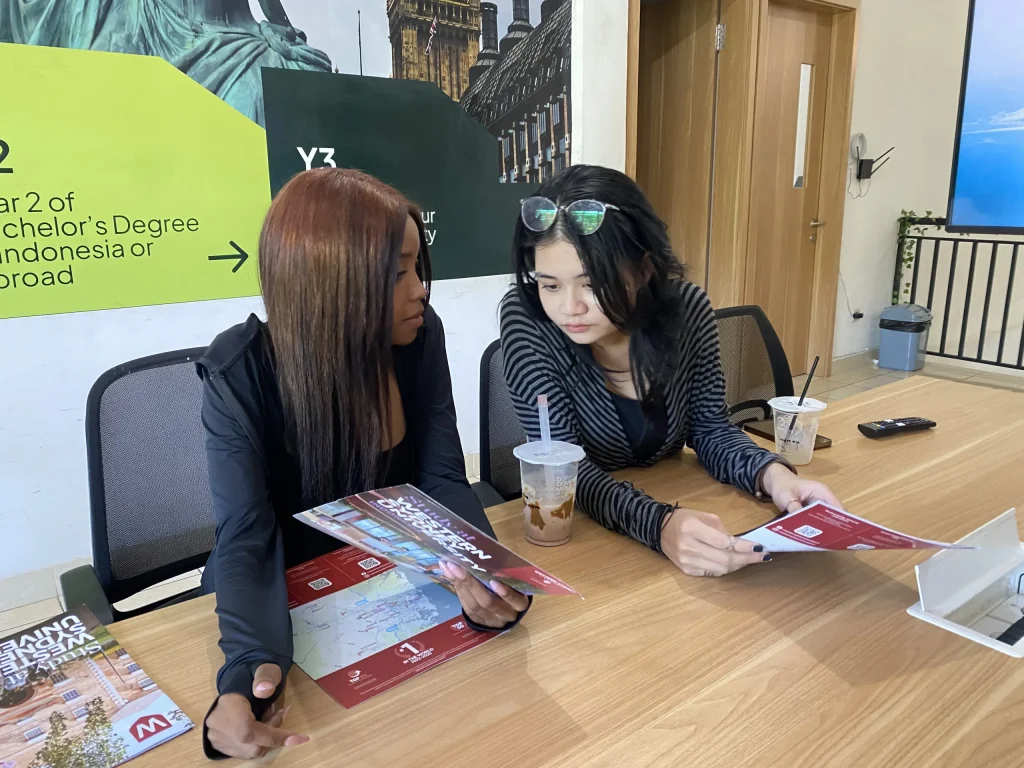
Many students view studying abroad as a way to earn a degree.

In reality, it offers much more than academic qualifications.

Students who study overseas often learn how to:

  • Live independently
  • Manage challenges on their own
  • Adapt to different cultures
  • Communicate with people from diverse backgrounds
  • Build confidence in unfamiliar situations

For many young people, studying abroad becomes the first experience that truly pushes them outside their comfort zone.

They develop responsibility.

They become more adaptable.

They gain confidence in solving real-world problems.

These experiences shape personal growth in ways that no technology can replicate.

A classroom teaches knowledge.

Living in another country teaches life skills.

And those life skills continue to matter in every industry.

The Future Belongs to People Who Can Work With AI

Many students see the future as a competition between humans and artificial intelligence.

In reality, the future will belong to people who know how to use AI effectively.

Think about calculators, computers, and the internet. These technologies transformed industries, but they also created entirely new opportunities.

AI is simply the next evolution.

The students who succeed will be those who combine technology with uniquely human abilities.

For example:

  • Business professionals can use AI-driven insights to make better decisions.
  • Marketers can use AI tools while still creating campaigns that connect emotionally with audiences.
  • Doctors can use AI diagnostics while continuing to provide human care and empathy.
  • Designers can improve workflows with AI while maintaining creative direction.

AI may improve efficiency, but human judgment remains essential.

Social Media Often Amplifies Fear

One reason students feel anxious today is the constant exposure to extreme opinions online.

Short-form content frequently promotes messages like:

  • “University is useless.”
  • “Degrees are dead.”
  • “AI will replace everyone.”

While these headlines attract attention, they rarely tell the full story.

Yes, AI is changing industries.

Yes, students should learn to adapt.

But that does not mean education has lost its value.

If anything, education is becoming more important because students need guidance to think critically, evaluate information, and navigate an increasingly complex world.

Watching videos online is not the same as developing:

These are competencies that education continues to help students build.

Human Skills Are Becoming More Valuable

Ironically, as technology advances, human skills become increasingly important.

Employers are looking for people who can:

  • Lead teams
  • Communicate clearly
  • Understand people
  • Think creatively
  • Adapt quickly

Studying abroad naturally strengthens these abilities.

Students are constantly exposed to new environments, different perspectives, and unfamiliar challenges.

Something as simple as presenting to international classmates, adjusting to a different education system, or navigating a new culture helps students become more confident, adaptable, and globally minded.

These experiences contribute to personal growth in ways that cannot be learned from a screen alone.

The Future Is Still Full of Opportunity

It’s important to remember that many careers today barely existed ten or fifteen years ago.

Roles such as:

  • Content Creator
  • UX Designer
  • Social Media Strategist
  • App Developer
  • AI Specialist

were either uncommon or did not exist at all.

The same will happen in the future.

AI will create new industries, new professions, and new opportunities that we cannot fully predict today.

That’s why adaptability matters more than memorisation.

Students who study abroad gain exposure to innovation, entrepreneurship, global networks, and emerging industries, helping them remain flexible in a rapidly changing world.

Don’t Let Fear Shrink Your Dreams

One of the most concerning trends today is that some students are beginning to dream smaller because the future feels uncertain.

Uncertainty is natural.

But uncertainty should never stop students from investing in themselves.

Studying abroad is not only about preparing for a career.

It is about:

  • Discovering your potential
  • Building confidence
  • Expanding your perspective
  • Developing independence
  • Learning how to navigate the world

These experiences remain valuable regardless of how technology evolves.

AI Should Inspire Growth, Not Fear
AI is undoubtedly transforming the future.

But it does not diminish the importance of education, ambition, or global exposure.

If anything, it highlights how valuable adaptability, communication, and human connection truly are.

The future will not belong solely to those with technical knowledge.

It will belong to people who can combine technology with creativity, emotional intelligence, critical thinking, and adaptability.

At JA College Jakarta & Bali, we encourage students to see AI as a tool, not a reason to limit their aspirations.

The future may look different from today, but it is still full of opportunities for those who remain curious, adaptable, and globally minded.

Sometimes, the best way to prepare for an unpredictable future is not by avoiding change, but by embracing it.

Ready to Explore Your Study Abroad Pathway?

If you would like to learn more about university preparation, international pathways, or studying abroad opportunities, our admissions team is here to help.

Contact JA College Jakarta & Bali today and take the first step toward a future built on confidence, adaptability, and global opportunities.
Recent Post

Persiapan Kuliah Luar Negeri yang Lebih Terarah Melalui University Pathway

Kalau mendengar kalimat seperti “belajar sekitar 9 bulan sampai 1 tahun lalu lanjut ke universitas internasional”, biasanya reaksi pertama banyak parents hampir sama.

Memangnya bisa?
Apa nggak terlalu cepat?
Nanti setara nggak?
Jangan-jangan jalurnya nggak jelas?

Pertanyaan seperti itu memang wajar, karena selama ini banyak orang masih berpikir kalau kuliah ke luar negeri prosesnya pasti panjang. Harus sekolah seperti jalur biasa, lulus, baru mulai mencari universitas, mengurus dokumen, tes bahasa Inggris, sampai proses admissions yang sering terlihat rumit.

Padahal sekarang sudah banyak students yang memilih jalur yang lebih terarah sejak awal. Bukan karena ingin mencari jalan pintas, tapi karena mereka sudah tahu tujuan mereka mau ke mana. Dan ternyata, banyak parents baru mengetahui hal seperti ini saat anak sudah mulai mendekati kelulusan sekolah.

Banyak Students Baru Mulai Panik Saat Sudah Dekat Lulus

Hal seperti ini sebenarnya cukup sering terjadi apalagi awalnya semuanya terlihat santai. Anak sekolah seperti biasa, masuk kelas, mengerjakan tugas, ikut ujian, naik kelas.

Sampai suatu hari muncul pertanyaan yang sering membuat suasana rumah berubah:

Nanti mau kuliah di mana?

Lalu mulai muncul pertanyaan lain:

Mau ambil jurusan apa?
Kalau mau ke UK mulai dari mana?
Masuk universitas luar negeri syaratnya apa?
Saya harus ambil jalur apa?

Dan biasanya setelah itu mulai terasa satu hal:

Ternyata banyak yang harus dipersiapkan.
Karena saat berbicara tentang universitas luar negeri, prosesnya ternyata tidak sesederhana mengisi formulir pendaftaran lalu menunggu hasil.

Ada banyak hal yang perlu dipikirkan:

  • jurusan yang dipilih
  • kemampuan akademik
  • kemampuan bahasa Inggris
  • kesiapan siswa
  • hingga sistem admissions universitas

Yang sering menjadi masalah sebenarnya bukan nilai, tapi belum tahu arah.

Banyak Students Bingung, Sebenarnya Saya Cocoknya Jurusan Apa?

Ini mungkin salah satu hal yang paling sering terjadi. Banyak students sebenarnya punya nilai yang cukup baik, pelajaran aman, bahasa Inggris juga tidak masalah.

Tapi saat ditanya: Kalau kuliah nanti mau ambil apa?

Jawabannya sering: Belum tahu.

Dan ini normal, Karena sekarang pilihan jurusan jauh lebih banyak dibanding dulu.

Kalau dulu mungkin orang lebih familiar dengan jurusan seperti:

  • Kedokteran
  • Hukum
  • Teknik
  • Akuntansi
  • Manajemen

Sekarang pilihannya berkembang jauh lebih luas:

  • Artificial Intelligence
  • Digital Marketing
  • Data Science
  • International Business
  • Psychology
  • Creative Media

Belum lagi perkembangan teknologi dan AI yang membuat banyak students mulai bertanya:

Jurusan ini masih relevan nggak ya untuk masa depan?

Makanya sekarang banyak parents mulai sadar bahwa persiapan universitas sebaiknya bukan dimulai saat kelas akhir. Semakin awal students mengetahui tujuan mereka, biasanya prosesnya jauh lebih jelas.

Jadi Sebenarnya Apa Itu University Pathway?

Kalau dijelaskan sederhana, University Pathway adalah program yang dirancang untuk membantu students mempersiapkan langkah menuju universitas internasional dengan jalur yang lebih terarah.

Banyak orang mengira program seperti ini hanya tambahan belajar biasa, padahal sebenarnya lebih dari itu. Students juga dipersiapkan agar lebih siap menghadapi sistem pendidikan internasional nantinya. Karena belajar di universitas luar negeri biasanya berbeda dengan sistem sekolah pada umumnya.

Students dituntut untuk lebih terbiasa dengan:

  • critical thinking
  • diskusi
  • research
  • presentation
  • problem solving
  • dan independent learning

Karena itulah tujuan pathway bukan hanya membantu students masuk universitas, tapi juga membantu mereka siap saat sudah berada di sana.

Kenapa Banyak Students Memilih Junior College?

Sekarang mulai banyak students mencari sistem belajar yang lebih terarah dibanding sekolah biasa. Karena di Junior College, students tidak hanya belajar untuk mengejar nilai atau ujian saja. Mereka juga mulai dibiasakan dengan cara belajar yang lebih mendekati sistem universitas.

Misalnya:

  • kelas lebih personal
  • diskusi lebih aktif
  • project-based learning
  • presentasi
  • dan pembelajaran yang lebih mandiri.

Karena saat masuk universitas nanti, perubahan cara belajar sering kali menjadi tantangan terbesar bagi students.

Banyak students yang pintar secara akademik, tetapi kesulitan menyesuaikan diri dengan sistem belajar universitas yang lebih mandiri. Karena itu persiapan sejak awal menjadi penting.

JA College Bali Membantu Students Mempersiapkan Langkah Menuju Universitas Internasional

JA College Bali merupakan Junior College internasional yang menghadirkan University Pathway Programme, termasuk A Level Programme dan Foundation Programme, yang dirancang untuk membantu students mempersiapkan langkah menuju universitas internasional.

Dengan sistem pembelajaran yang lebih personal dan pendekatan university-style learning, students tidak hanya belajar untuk mendapatkan nilai, tetapi juga dipersiapkan untuk kehidupan akademik di tingkat universitas.

Students juga mendapatkan pendampingan dalam:

Dengan small class size, students memiliki lebih banyak kesempatan untuk aktif, berdiskusi, dan mendapatkan perhatian yang lebih personal selama proses belajar.

JA College Bali juga menghadirkan 100% University Acceptance Guarantee, sehingga students memiliki jalur yang lebih terarah menuju universitas internasional.

Karena pada akhirnya, tujuan utamanya bukan hanya sekadar masuk universitas luar negeri.

Tapi masuk ke universitas yang tepat, dengan persiapan yang tepat, dan masa depan yang lebih jelas.

Banyak Siswa Baru Bingung Masa Depan Saat Kelas 12. Kenapa Ini Masih Sering Terjadi?

Setelah lulus mau ke mana?
Pertanyaan ini sebenarnya sederhana, tapi masih jadi salah satu hal yang paling sering bikin siswa dan orang tua stres menjelang akhir sekolah.

Banyak siswa yang nilainya bagus, aktif, bahkan ikut banyak kegiatan. Tapi saat ditanya:

  • mau kuliah di mana,
  • mau ambil jurusan apa,
  • atau mau kerja di bidang apa,

jawabannya masih sering berubah-ubah dan yang paling sering terjadi, persiapan baru dimulai saat sudah kelas 12.

Padahal untuk masuk universitas luar negeri, banyak hal yang perlu dipersiapkan lebih awal:

  • akademik
  • pemilihan jurusan
  • personal statement
  • IELTS
  • portfolio
  • sampai understanding tentang sistem admissions universitas

Karena itu sekarang semakin banyak orang tua mulai sadar kalau memilih sekolah bukan cuma soal anak belajar, tapi juga soal:

apakah sekolah tersebut benar-benar membantu mempersiapkan masa depan anak setelah lulus?

Kenapa Banyak Siswa Masih Bingung Menentukan Jurusan?

Ini salah satu pain point paling umum.Banyak siswa sebenarnya belum benar-benar mengenal minat dan potensi mereka sendiri.

Ada yang ikut teman.
Ada yang ikut keinginan orang tua.
Ada juga yang memilih jurusan hanya karena terlihat bagus atau lagi trend.

Masalahnya, ketika masuk universitas dan ternyata tidak cocok, akhirnya:

  • kehilangan motivasi,
  • pindah jurusan,
  • atau bahkan berhenti di tengah jalan.

Dan ini jauh lebih sering terjadi daripada yang banyak orang kira.

Sistem Belajar yang Terlalu General Juga Jadi Tantangan

a level programme

Di sistem sekolah biasa, siswa sering harus belajar terlalu banyak mata pelajaran sekaligus.

Akibatnya:

  • fokus terpecah
  • siswa sulit mendalami bidang yang benar-benar mereka suka
  • dan persiapan universitas jadi kurang maksimal

Karena itu sekarang mulai banyak siswa memilih jalur seperti A Level atau Foundation Programme yang lebih fokus dan terarah.

Di program seperti ini, siswa bisa belajar sesuai tujuan mereka.

Contohnya:

  • Suka business student fokus ke Economics & Business,
  • Engineering fokus ke Math & Physics,
  • Medicine fokus ke Biology & Chemistry.

Jadi sejak awal sudah lebih relevan dengan jurusan universitas yang dituju.

Kuliah ke Luar Negeri Sekarang Bukan Lagi Mustahil

Dulu banyak orang berpikir kuliah luar negeri hanya untuk siswa tertentu.Tapi sekarang akses informasi jauh lebih terbuka, dan semakin banyak universitas internasional mencari siswa dari berbagai negara, termasuk Indonesia.

Yang sering jadi masalah justru bukan kemampuan siswa, tapi:

  • kurangnya arahan
  • kurang memahami pathway
  • dan tidak tahu harus mulai dari mana.

Karena itu university pathway mulai jadi hal yang semakin penting.

Kenapa Foundation & A Level Mulai Banyak Dicari?

Karena program ini memang dirancang untuk persiapan universitas internasional.

Bukan hanya belajar akademik, tapi juga:

  • critical thinking
  • presentation
  • research
  • independent learning
  • hingga persiapan admissions universitas.

Selain itu, sistemnya juga lebih fleksibel dan fokus dibanding sekolah konvensional. Untuk banyak siswa, cara belajar seperti ini terasa lebih cocok dan lebih jelas arahnya.

Orang Tua Sekarang Mulai Mencari Sekolah yang Lebih Personal

Satu hal yang mulai sering jadi pertimbangan:

Apakah anak saya benar-benar diperhatikan?

Karena di kelas yang terlalu besar, banyak siswa akhirnya:

  • kurang percaya diri
  • sulit berkembang
  • atau bahkan kehilangan motivasi belajar.

Makanya konsep micro school mulai lebih banyak dicari.

Dengan kelas yang lebih kecil dan pendekatan lebih personal, siswa bisa mendapat perhatian yang lebih terarah sesuai kebutuhan dan tujuan mereka masing-masing.

JA School & College Bali Hadir dengan Pendekatan yang Lebih Terarah

JA School & College Bali merupakan sekolah internasional dengan konsep micro school yang menyediakan program mulai dari Primary, Secondary, hingga University Pathway seperti A Level dan Foundation Programme.

Fokus utama pembelajaran bukan hanya akademik, tapi juga membantu siswa memiliki arah yang jelas menuju universitas dan karier mereka di masa depan.

Dengan sistem belajar yang lebih personal, siswa dibimbing mulai dari:

  • pemilihan jurusan
  • university planning
  • hingga proses admissions universitas luar negeri.

JA School & College Bali juga menghadirkan 100% University Acceptance Guarantee untuk membantu siswa melanjutkan studi ke universitas luar negeri dengan pathway yang lebih jelas dan terarah.

Memilih Sekolah Sekarang Bukan Hanya Tentang Hari Ini

Banyak orang tua sekarang mulai sadar kalau memilih sekolah bukan cuma soal:

  • nilai
  • ranking
  • atau banyaknya tugas.

Tapi juga tentang:

  • apakah anak berkembang
  • apakah anak punya tujuan
  • dan apakah sekolah membantu mempersiapkan langkah setelah lulus.

Karena pada akhirnya, sekolah bukan hanya tempat belajar.
Tapi tempat mempersiapkan masa depan.

Why Biology Practical Experiments Matter More Than Memorising Theory

For many students, Biology is often associated with thick textbooks, long scientific terms, and endless memorisation. Students spend hours trying to remember definitions, processes, diagrams, and classifications – from cell structures to respiration pathways. While theory is undeniably important, real understanding in Biology goes far beyond simply remembering information for an exam.

Science was never meant to exist only on paper.

Biology is a subject built around observation, investigation, analysis, and discovery. It is about understanding how living systems work in the real world, not just inside a textbook. This is why practical experiments play such a crucial role in helping students truly learn and engage with science.

At pre-university level, especially in international programmes such as A Levels and Foundation, practical learning becomes even more important because students are expected to think critically, analyse evidence, and apply scientific concepts independently – skills that universities abroad actively look for.

Biology Becomes More Meaningful When Students Can See It for Themselves

One of the biggest challenges students face when studying Biology is trying to visualise concepts they have never actually experienced. Reading about osmosis, enzymes, diffusion, or cell structures can feel abstract when students only encounter them through notes and slides.

Practical experiments help transform theory into something students can directly observe and understand.

Instead of simply memorising that enzymes are affected by temperature, students can conduct experiments and witness how reaction rates change under different
conditions. Instead of only reading about plan cells under a microscope, they can observe structure themselves and understand the differences more clearly through
direct experience.

This process changes learning from passive memorisation into active understanding.

Students are no longer just trying to “remember the answer.” They begin to understand why scientific processes happen.

Practical Learning Develops Critical Thinking Skills

In many traditional learning environments, students are often trained to focus heavily on finding the “correct answer.” However, Biology practicals encourage a completely
different mindset.

Experiments require students to:

    • make observations,
    • analyse results,
    • identify patterns,
    • evaluate possible errors,
    • and draw conclusions based on evidence.

These are essential scientific thinking skills that cannot fully develop through memorisation alone.

During practical sessions, students learn that experiments do not always produce perfect outcomes. Sometimes results differ from expectations, and students must think critically about why this happened. This encourages problem-solving, adaptability, and analytical thinking – abilities that are highly valuable not only in science, but in university education and future careers as well.

International education systems place strong emphasis on these skills because universities want students who can think independently, not simply repeat information.

Building Confidence Before University

For students planning to study abroad, early exposure to practical laboratory work can make a significant difference.

Many university science courses overseas involve intensive laboratory sessions, research tasks, data analysis, and independent investigations. Students who have only relied on memorisation during school often struggle to adapt to this style of learning.

Practical experiments at pre-university level help bridge this gap by familiarising students with:

        • laboratory equipment,
        • scientific procedures,
        • data collection,
        • report writing,
        • and experimental analysis.

More importantly, it helps students become comfortable working in scientific environments before entering university.

Confidence in the lab does not develop overnight. It develops through repeated exposure, guided practice, and hands-on experience.

Learning Science Through Experience

At Jakarta Academics College, Biology practical sessions are designed to help students experience science beyond theory alone. Through hands-on experiments and guided laboratory activities, students are encouraged to develop deeper understanding, analytical thinking, and confidence in applying scientific concepts independently.

Students are not only learning for examinations, but also preparing for the expectations of international university education, where practical understanding, research skills, and independent thinking play an important role.

Ready to give your child a more engaging and future-focused learning experience?

At Jakarta Academics College, students are guided through interactive learning, practical laboratory experiences, and international pathway programmes designed to prepare them for university abroad with greater confidence and readiness.

For more information about our A Level and Foundation programmes, contact our admissions team and book a consultation with us today.