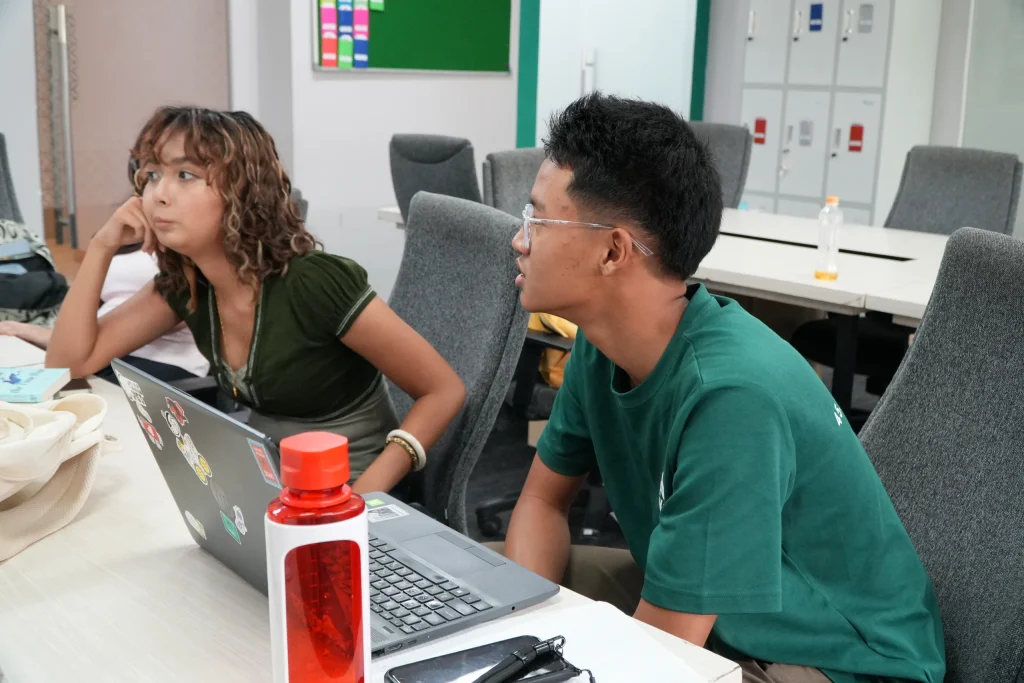
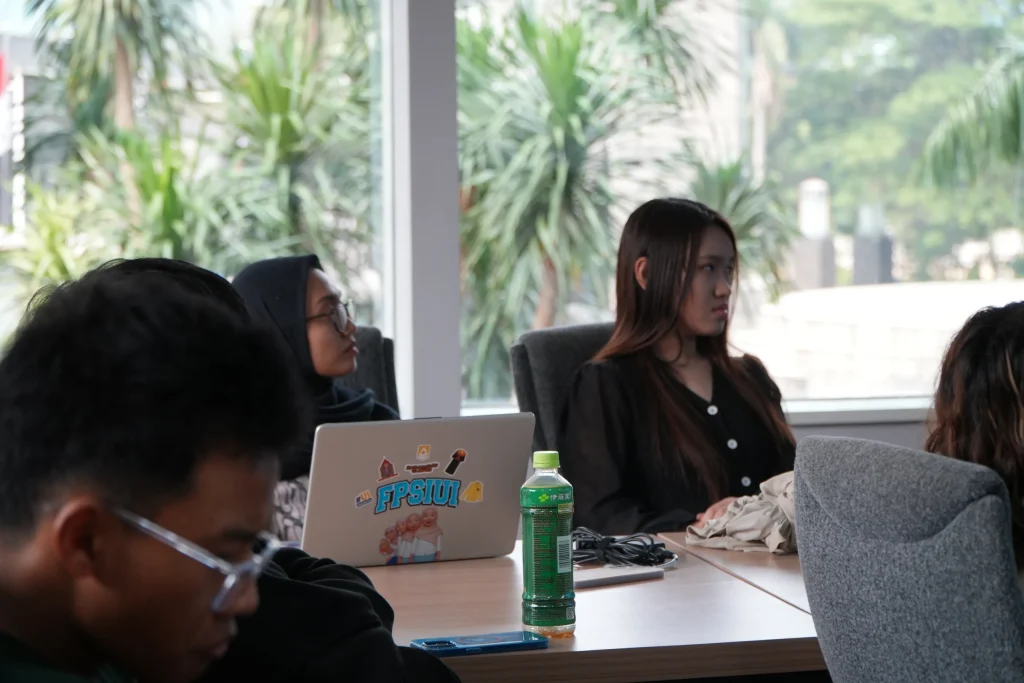
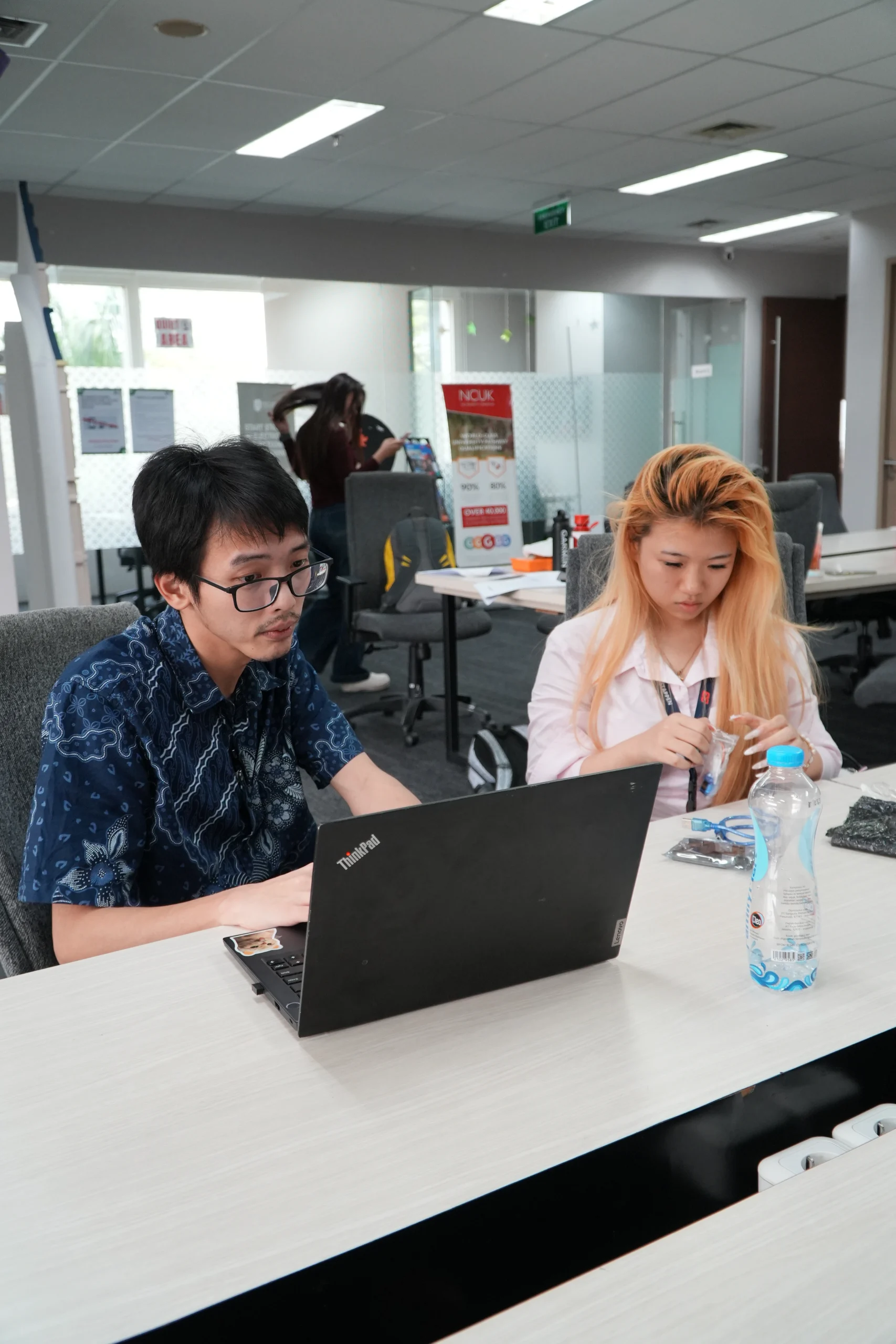
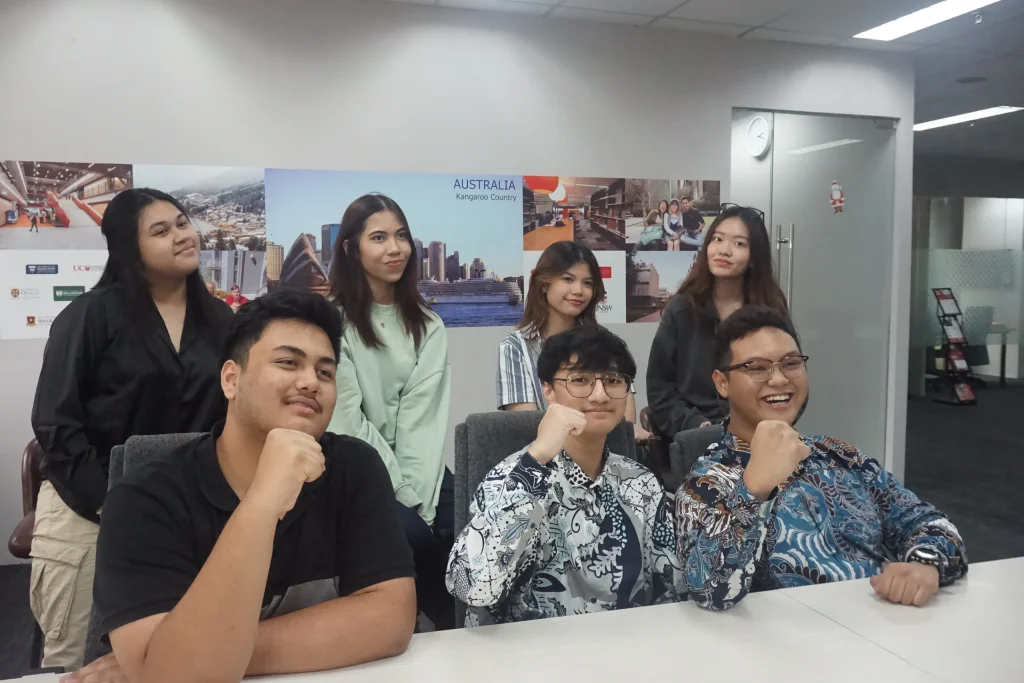
Navigating your educational journey during high school can feel like finding your way through a maze, with various paths leading to different destinations. However, unlike many other countries, students in Indonesia typically have only two common options for their high school education: traditional high schools (known as SMA) and vocational schools (called SMK). While there are a few elite international high schools in Jakarta and other cities offering international programmes, the limitations of the traditional learning experience remain the same. High school students often lack exposure to the next stage of their academic journey: university education. Their experience in high school may not differ significantly from their junior school years. To address these limitations, institutions such as Jakarta Academics College (JA College) offer an innovative alternative pathway for high school students. Jakarta Academics College is a junior college in Indonesia providing world-class education to high school students.
Understanding the difference between a traditional high school and Jakarta Academics College can significantly influence your academic choices and prospects. Let us explore these differences further to determine which option may be better suited to you.

Understanding the Structure and Curriculum
Traditional high schools typically provide qualifications such as the IB Diploma, A Levels, or the national SMA in conventional settings. There may not be a significant difference between students’ experiences and learning approaches in their senior years compared to their junior years, except for the heightened academic challenges they face at the senior level. Their routines, number of subjects, learning style, and emphasis on achieving grades all remain largely the same.
In contrast, junior colleges like Jakarta Academics College use an entirely different approach to delivering secondary school qualifications. The curriculum and qualifications offered at JA College include the International A Level and the Foundation Programme (university pathways) that facilitate progression to world-class universities. Although JA College also provides the International A Level, the delivery method creates a substantial difference in students’ learning experiences and performance.
Moreover, the Foundation Programme at JA College is a 9-month university preparation qualification that allows students to progress to a world-class university earlier than those in traditional secondary schools. The curriculum at JA College is designed to develop 21st-century skills, ensuring that students are well-prepared not only for higher education but also for future challenges. JA College places a strong emphasis on exposing students to a college-like experience at the highest level.
| Traditional High School | Junior College (aka JA College) |
|---|---|
| Overcrowded classrooms | Small groups classes |
| Long hours – up to 8 hours | 5 hours a day |
| Lack of flexibility | Provides some flexibility |
| Many subjects | Few subjects with a more focused approach |
| Takes 2-3 years to complete | A fast track that can save 1 year |
| Standardised Tests | Offers alternatives without standardised tests |
| Limited support for university applications | Complete support until the student arrives at the university |
Gaining a Perspective
Traditional high schools have been an integral part of our societies for decades, contributing significantly to human development. These schools nurture vibrant student communities, promoting enriching social experiences and robust extracurricular activities. They serve as an ideal transitional phase for students exploring their university paths, providing room for both personal and academic growth.
In contrast, junior colleges such as Jakarta Academics College focus on tailored preparation for each student’s university preferences. By offering specialised pathways, students can fine-tune their educational journey for success at their chosen institutions. The college’s flexible approach accommodates various learning styles and goals, providing intensive support throughout the application process. For students with clear university goals, Jakarta Academics College’s programmes offer distinct advantages in honing the skills necessary for success.
Read More : Exploring International Education in Jakarta: Jakarta Academic College Leads the Way
Considerations to Keep in Mind
When deciding between traditional high schools and junior colleges, several key factors such as cost, learning styles, and university goals should be considered. Traditional high schools offering international qualifications such as the IB Diploma and A Levels are often expensive in terms of tuition fees. Conversely, JA College can save considerable costs as well as time. The learning styles and often rigid approaches in traditional high schools may not meet the needs of 21st-century students, whereas JA College students are allowed to learn in a university-like setting, preparing them to be independent. Additionally, clarity regarding university aspirations plays a significant role; JA College suits students with clear goals. Students’ preferences for structured environments or broader educational experiences should also influence their decisions.

Making the Right Choice
Ultimately, the best choice depends on your individual needs, aspirations, and circumstances. Consider your learning style, university goals, and preferred environment, and seek insights from current students and alumni. Research institutions and programmes, attend open days or visits, and make informed decisions for a successful academic journey and future endeavours. With careful consideration, you can pave the way for a fulfilling educational experience and a promising future.