What if preparing students for university was not only about getting good grades?
What if, instead of spending every day sitting in a classroom, students could also spend their time building something real?
A business.
A project.
A community.
A personal portfolio.
Or an idea that started as a simple conversation and eventually became something people actually use.
This is one of the ideas behind JA College, a university preparation programme in Indonesia that looks beyond academic preparation. While students can pursue recognised university pathway programmes such as A Level and Foundation, JA College also believes that preparing students for university means preparing them for the realities of life beyond the classroom.
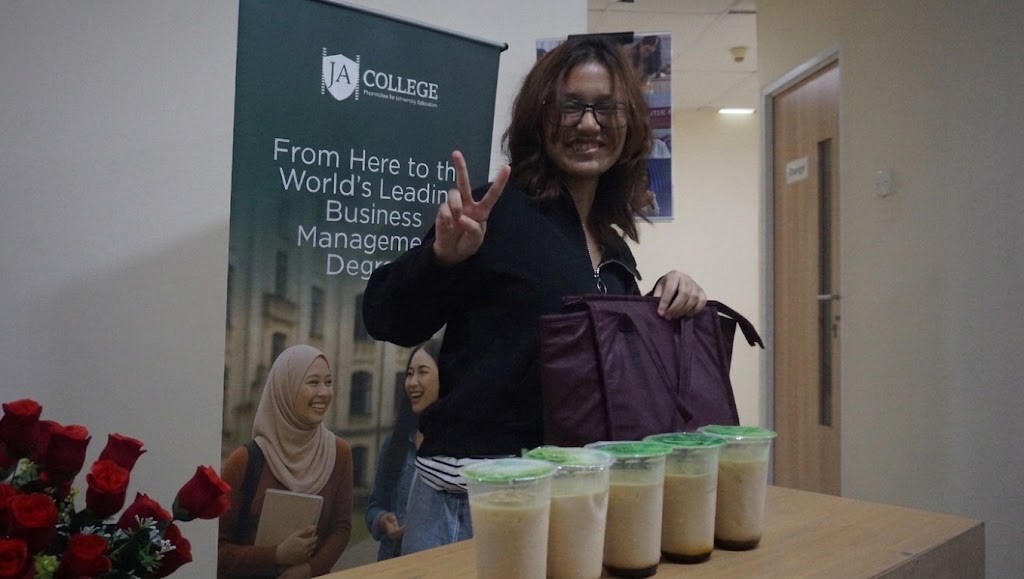
And one example of this philosophy can be found in a simple coffee shop created by students themselves.
Contents
- Meet the Students Behind Teman Siang
- What If University Preparation Meant More Than Academics?
- University Is Not Just a Bigger Classroom
- What Can Students Learn From Building a Coffee Shop?
- The Real Lesson: Learning Does Not Always Look Like Learning
- From Student to Entrepreneur
- Why This Matters for Students Studying Abroad
- JA College: University Preparation Beyond the Classroom
- Maybe Students Don’t Need More Time in the Classroom
- From Classroom to Real Life
Meet the Students Behind Teman Siang
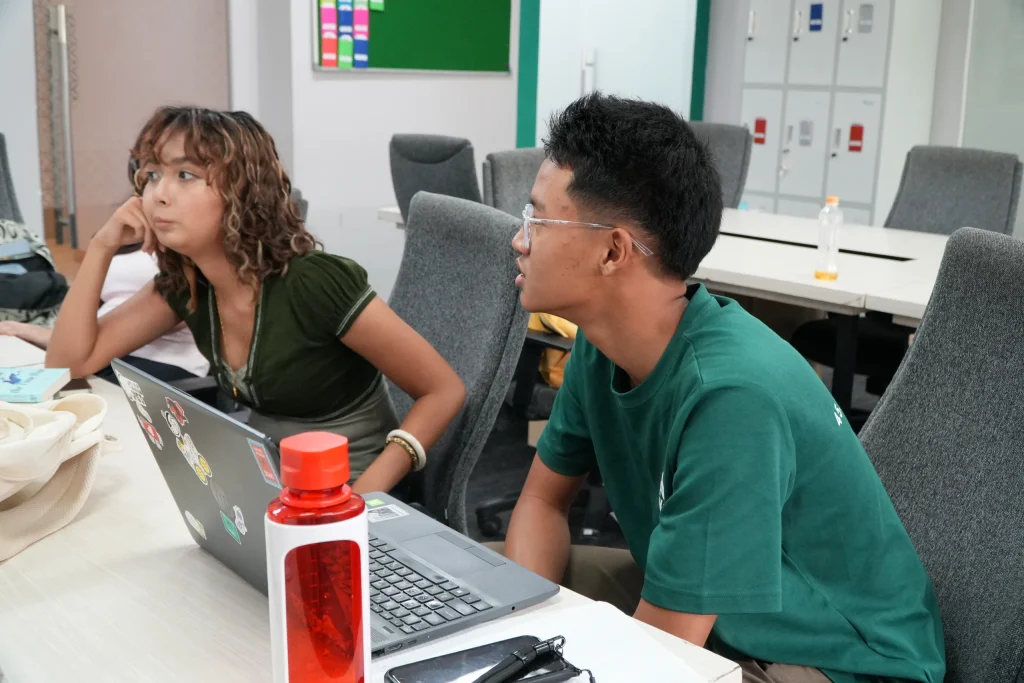
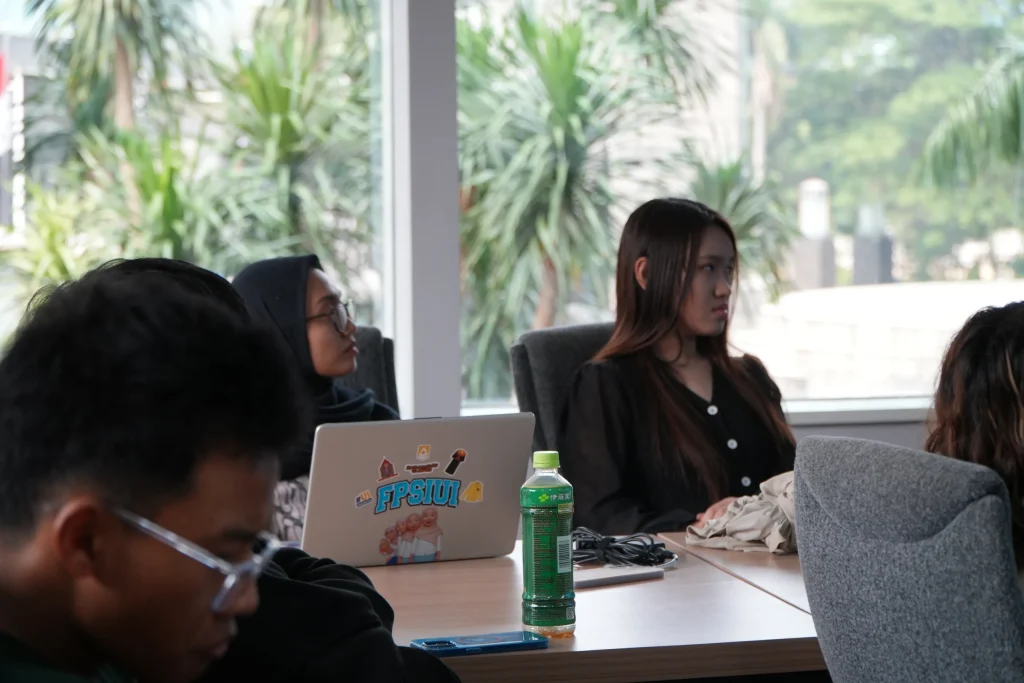
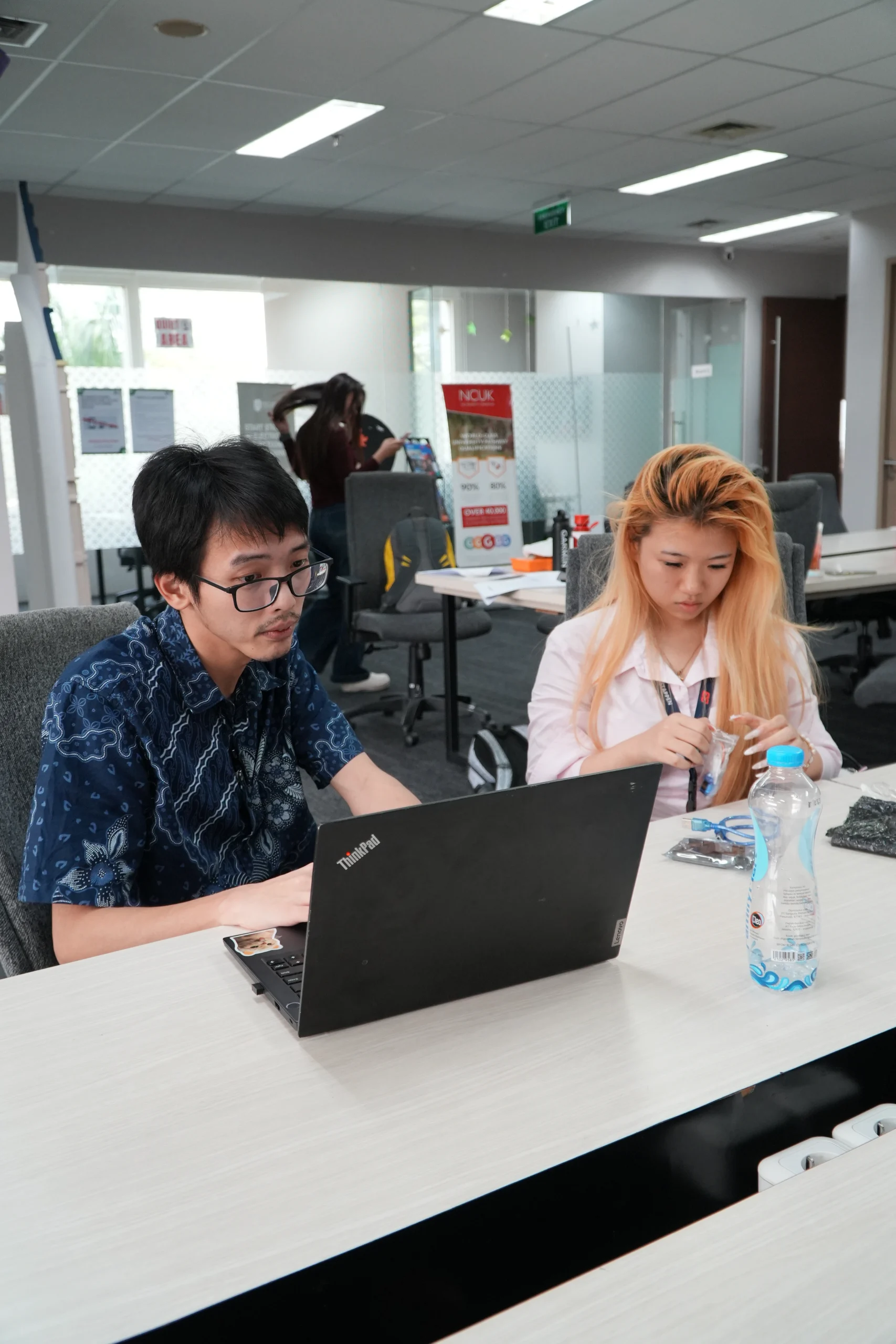
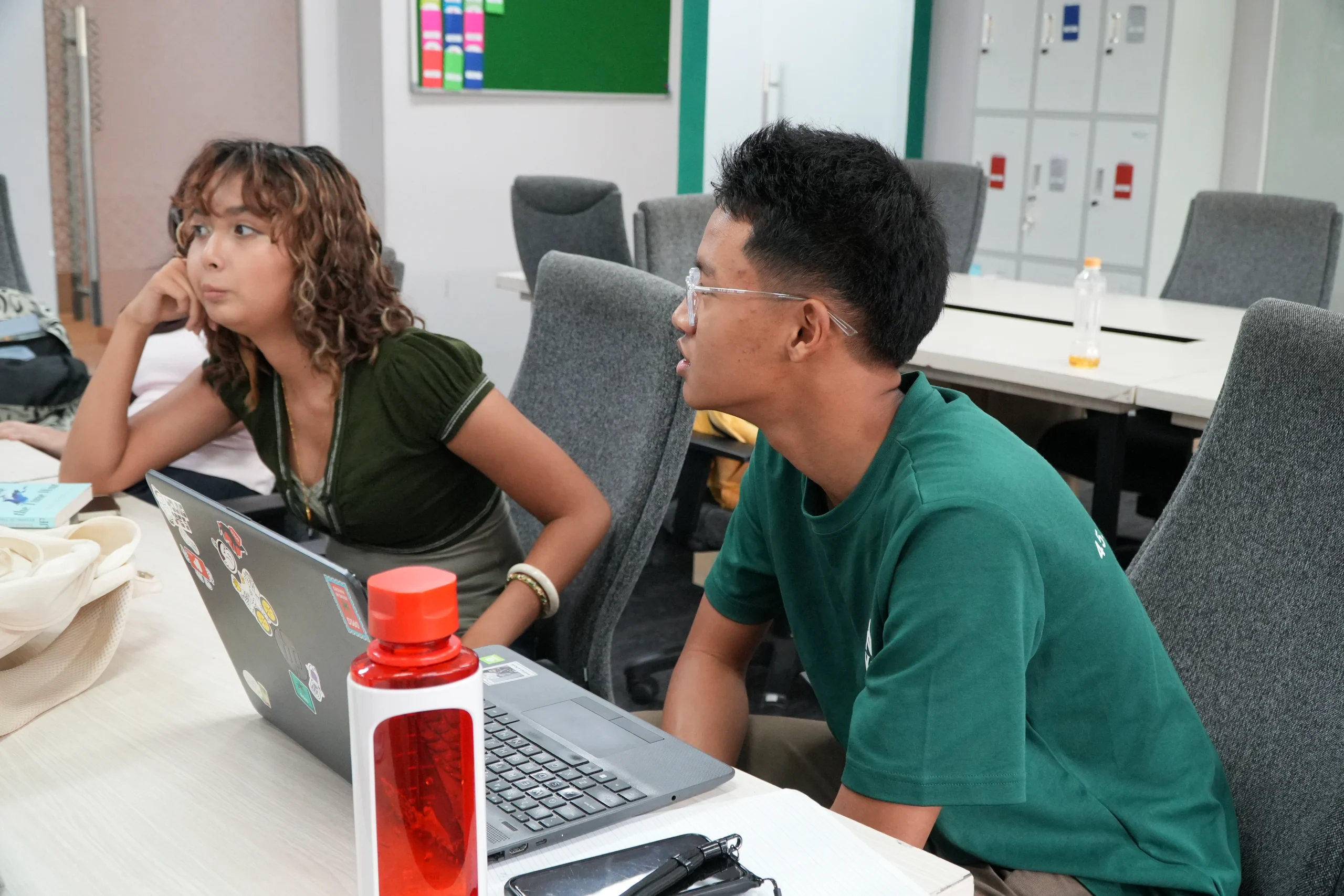
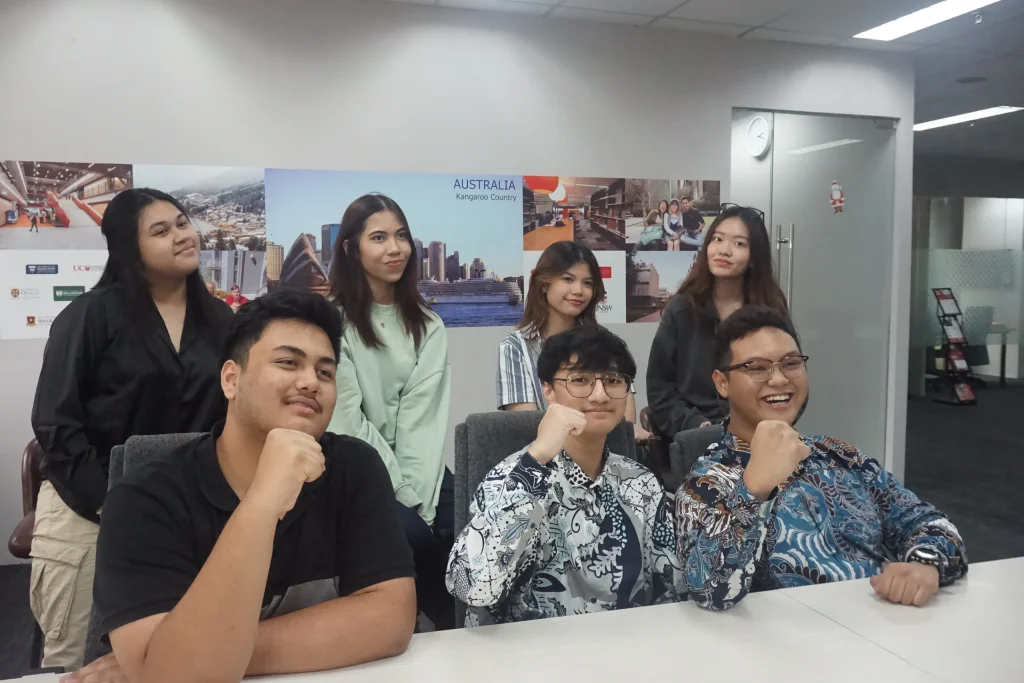
Meet the founders of Teman Siang, a coffee shop created by JA College students.
At first, they may look like ordinary students.
They attend classes.
They study.
They complete their assignments.
They prepare for university.
But they also decided to do something different.
Before even graduating, they wanted to build something of their own.
That decision turned an idea into a real-world learning experience.
Running a small business requires students to think beyond textbooks. They have to communicate with people, make decisions, solve problems, manage their time, understand customers, work with others, and deal with situations that cannot always be answered by a textbook.
And sometimes, business does not wait until after graduation.
What If University Preparation Meant More Than Academics?
When parents think about university preparation, they often focus on academic qualifications.
That makes sense.
Strong academic preparation is important, particularly for students planning to study internationally. Programmes such as A Level and Foundation can provide students with the academic foundation needed to progress to university.
JA College offers university pathway programmes designed to prepare students for international higher education, including Foundation and A Level pathways. (jacollege.com)
But getting into university is only one part of the journey.
What happens after students arrive?
Can they communicate confidently with people from different backgrounds?
Can they manage their time without someone constantly reminding them?
Can they deal with academic pressure?
Can they make friends?
Can they adapt when things do not go according to plan?
Can they solve problems independently?
These questions become particularly important for students who plan to study abroad.
Research on Indonesian students studying overseas has identified challenges including language and communication barriers, academic adjustment, social integration, and cultural differences. (ijebp.ejournal.unri.ac.id)
That is why university preparation should not stop at academic preparation.
University Is Not Just a Bigger Classroom
One of the biggest changes students experience when they move abroad is the level of independence.
In school, there are often teachers, parents, schedules, and systems that help students stay on track.
At university, particularly when studying overseas, students are expected to take much more responsibility for their own lives.
They need to manage their studies while also navigating:
- New academic expectations
- Different communication styles
- New social environments
- Different cultures
- Time management
- Personal finances
- Everyday responsibilities
- New friendships and relationships
Culture shock can affect both academic and non-academic aspects of students’ lives, and communication and language can become significant challenges for students studying abroad. (ijebp.ejournal.unri.ac.id)
This is why we believe students need opportunities to develop these skills before they leave Indonesia.
And sometimes, the best classroom for that is not a classroom at all.
What Can Students Learn From Building a Coffee Shop?
Starting a coffee shop may sound completely unrelated to university preparation. Actually, it can teach students a surprising number of skills.
1. Communication
Students have to communicate with customers, suppliers, friends, teammates, and potentially people they have never met before. Communication becomes something they practice, rather than simply something they study.
2. Problem-Solving
Something will inevitably go wrong.
A customer changes an order.
Supplies arrive late.
Sales are lower than expected.
A team member cannot come.
A piece of equipment stops working.
There is no multiple-choice answer telling students what to do.
They have to figure it out.
3. Time Management
Students still have classes, assignments, exams, and university preparation. At the same time, they have a business to manage. This forces them to think about priorities and how they use their time.
4. Teamwork
A business rarely succeeds because of one person alone. Students have to divide responsibilities, communicate expectations, resolve disagreements, and work toward the same goal. These are skills that become increasingly important in university and professional environments.
5. Confidence
There is a big difference between knowing something in theory and actually doing it. When students successfully turn an idea into something real, they experience a different kind of confidence. They can say:
“I built this.”
That feeling can stay with them long after the project ends.
The Real Lesson: Learning Does Not Always Look Like Learning
This is perhaps one of the most important ideas behind the experience. Students do not always need to be sitting behind a desk to learn. A student negotiating with a supplier is learning. A student speaking to a customer is learning.
A student calculating costs is learning. A student figuring out why something did not sell is learning. A student resolving an argument with a business partner is learning. A student deciding whether to take a risk is learning. The difference is that these lessons come with real consequences. And that can make them much more memorable.
From Student to Entrepreneur
We are not suggesting that every student needs to become an entrepreneur. That is not the point. The value of the experience is not necessarily whether Teman Siang becomes a huge company. The real value is what students learn while building it.
Entrepreneurship can give young people a chance to develop initiative, resilience, communication, decision-making, and problem-solving. It also changes how students think about opportunities. Instead of always asking:
“What job can I get?”
They may start asking:
“What can I create?”
That shift in mindset can be valuable regardless of whether they eventually become entrepreneurs, doctors, engineers, designers, lawyers, artists, or something else entirely.
Why This Matters for Students Studying Abroad
For students heading overseas, academic preparation is essential.
But academic success is not the only factor that determines whether a student feels comfortable and confident in a new environment.
Students may need to adapt to unfamiliar classroom expectations, communicate in different ways, build new social networks, and navigate cultural differences. Research involving Indonesian students studying abroad has highlighted academic adjustment, language barriers, social integration, and cultural adaptation as important parts of the experience. (UNY Journal)
Experiences such as entrepreneurship, collaborative projects, public speaking, events, and real-world activities can help students develop some of the skills they will eventually need.
They learn how to talk to people.
They learn how to take initiative.
They learn how to deal with failure.
They learn how to adapt.
And perhaps most importantly, they learn that they can figure things out when there is no teacher standing next to them giving them the answer.
JA College: University Preparation Beyond the Classroom
JA College is a university preparation programme in Indonesia designed for students who are looking toward their next stage of education, including university study abroad.
Students can pursue recognised academic pathways such as A Level and Foundation, while also developing skills that go beyond academic qualifications. JA College’s Foundation pathway, for example, is designed as a university preparation route for students progressing to universities in destinations including the UK, Australia, New Zealand, Canada, and others.
But our approach to university preparation is not simply:
Study → Get grades → Enter university.
We believe it can be:
Study → Explore → Build → Experience → Grow → Enter university.
Because university is not the final destination.
It is the beginning of another stage of life.
Maybe Students Don’t Need More Time in the Classroom
Education has traditionally been measured by how many hours students spend in classrooms, how many assignments they complete, and how well they perform on exams.
Those things matter.
But what if we also measured:
- How confidently students communicate
- How independently they solve problems
- How well they work with others
- How they respond to failure
- How they manage responsibility
- How willing they are to take initiative
- How they turn ideas into action
These are difficult things to measure on a report card.
Yet they can matter enormously once students leave school.
That is why a student building a coffee shop before graduation can be just as meaningful as a student studying another chapter in a textbook.
Both are learning.
They are simply learning different things.
From Classroom to Real Life
Teman Siang is more than a student business.
It represents a different way of thinking about university preparation in Indonesia.
Students still need strong academics.
They still need recognised qualifications.
They still need to prepare for university applications and their chosen degree.
But they also need to prepare for the person they will become once they leave school.
So perhaps the question should not be:
“How many hours should students spend sitting in a classroom?”
Maybe we should also ask:
“What can students build, experience, and learn while they are still students?”
For the students behind Teman Siang, the answer was a coffee shop.
For another student, it might be an app.
For another, a social project.
For another, a creative portfolio.
And for someone else, it might simply be the confidence to walk into an unfamiliar university overseas and know:
“I can figure this out.”
That is the kind of preparation that goes beyond getting into university.
That is preparing for real life.