For many students, Biology is often associated with thick textbooks, long scientific terms, and endless memorisation. Students spend hours trying to remember definitions, processes, diagrams, and classifications – from cell structures to respiration pathways. While theory is undeniably important, real understanding in Biology goes far beyond simply remembering information for an exam.
Science was never meant to exist only on paper.
Biology is a subject built around observation, investigation, analysis, and discovery. It is about understanding how living systems work in the real world, not just inside a textbook. This is why practical experiments play such a crucial role in helping students truly learn and engage with science.
At pre-university level, especially in international programmes such as A Levels and Foundation, practical learning becomes even more important because students are expected to think critically, analyse evidence, and apply scientific concepts independently – skills that universities abroad actively look for.
Biology Becomes More Meaningful When Students Can See It for Themselves
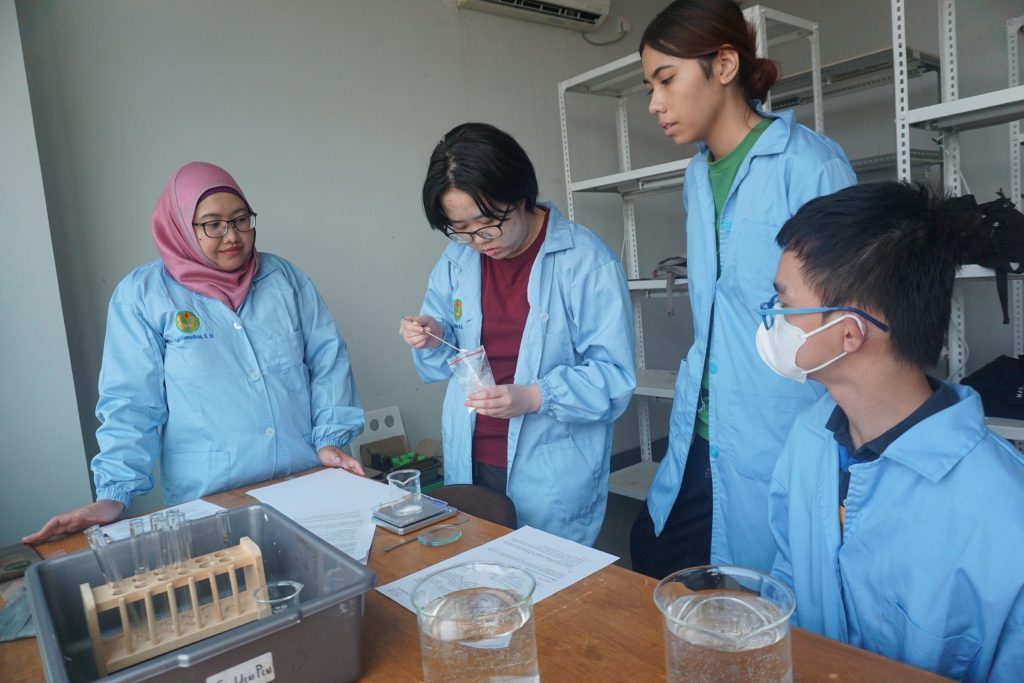
One of the biggest challenges students face when studying Biology is trying to visualise concepts they have never actually experienced. Reading about osmosis, enzymes, diffusion, or cell structures can feel abstract when students only encounter them through notes and slides.
Practical experiments help transform theory into something students can directly observe and understand.
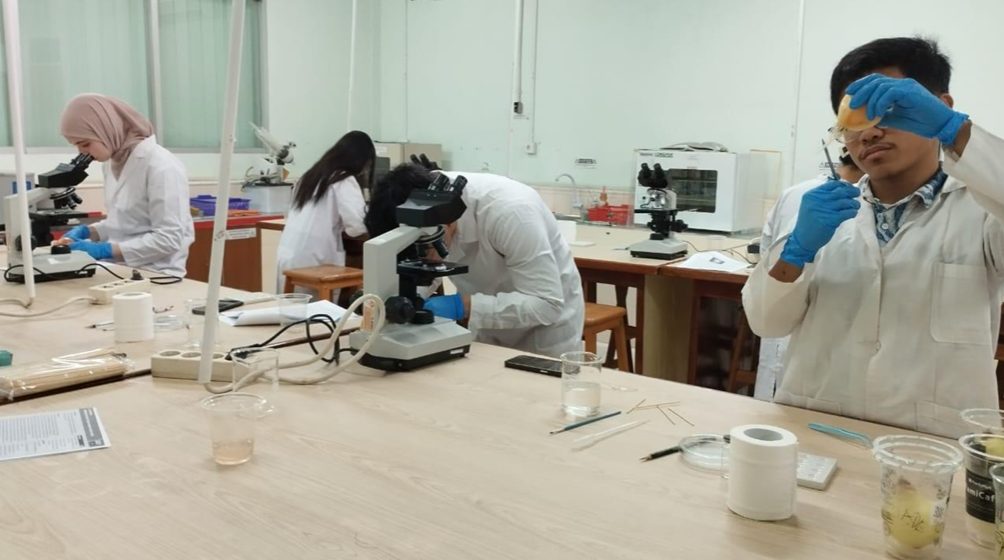
Instead of simply memorising that enzymes are affected by temperature, students can conduct experiments and witness how reaction rates change under different
conditions. Instead of only reading about plan cells under a microscope, they can observe structure themselves and understand the differences more clearly through
direct experience.
This process changes learning from passive memorisation into active understanding.
Students are no longer just trying to “remember the answer.” They begin to understand why scientific processes happen.
Practical Learning Develops Critical Thinking Skills
In many traditional learning environments, students are often trained to focus heavily on finding the “correct answer.” However, Biology practicals encourage a completely
different mindset.
Experiments require students to:
-
- make observations,
- analyse results,
- identify patterns,
- evaluate possible errors,
- and draw conclusions based on evidence.
These are essential scientific thinking skills that cannot fully develop through memorisation alone.
During practical sessions, students learn that experiments do not always produce perfect outcomes. Sometimes results differ from expectations, and students must think critically about why this happened. This encourages problem-solving, adaptability, and analytical thinking – abilities that are highly valuable not only in science, but in university education and future careers as well.
International education systems place strong emphasis on these skills because universities want students who can think independently, not simply repeat information.
Building Confidence Before University
For students planning to study abroad, early exposure to practical laboratory work can make a significant difference.
Many university science courses overseas involve intensive laboratory sessions, research tasks, data analysis, and independent investigations. Students who have only relied on memorisation during school often struggle to adapt to this style of learning.
Practical experiments at pre-university level help bridge this gap by familiarising students with:
-
-
-
- laboratory equipment,
- scientific procedures,
- data collection,
- report writing,
- and experimental analysis.
-
-
More importantly, it helps students become comfortable working in scientific environments before entering university.
Confidence in the lab does not develop overnight. It develops through repeated exposure, guided practice, and hands-on experience.
Learning Science Through Experience
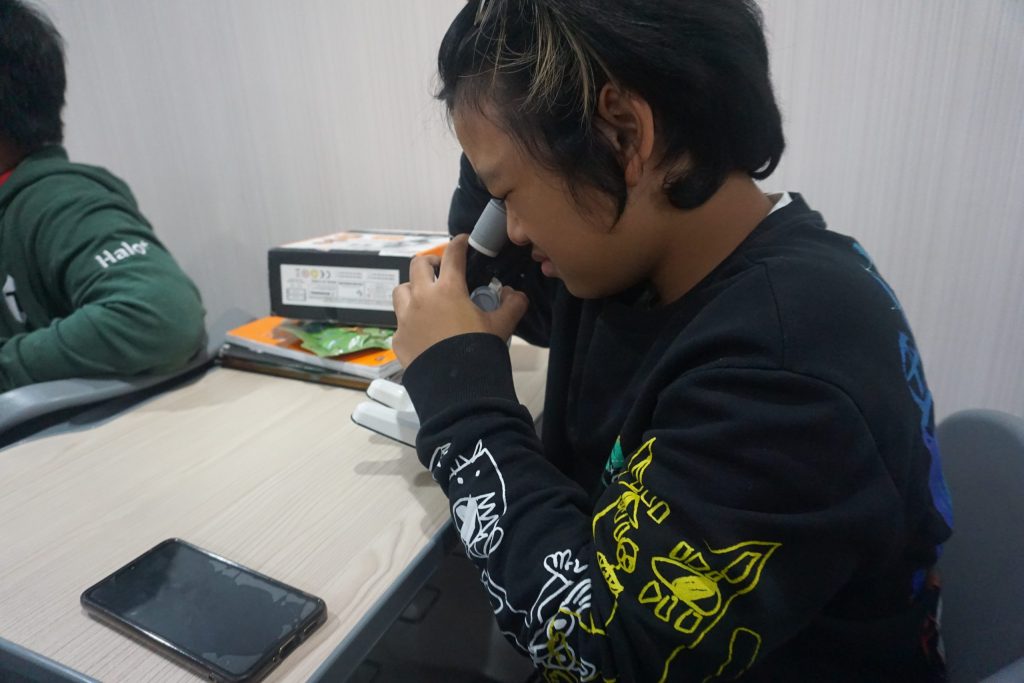
At Jakarta Academics College, Biology practical sessions are designed to help students experience science beyond theory alone. Through hands-on experiments and guided laboratory activities, students are encouraged to develop deeper understanding, analytical thinking, and confidence in applying scientific concepts independently.
Students are not only learning for examinations, but also preparing for the expectations of international university education, where practical understanding, research skills, and independent thinking play an important role.
Ready to give your child a more engaging and future-focused learning experience?
At Jakarta Academics College, students are guided through interactive learning, practical laboratory experiences, and international pathway programmes designed to prepare them for university abroad with greater confidence and readiness.
For more information about our A Level and Foundation programmes, contact our admissions team and book a consultation with us today.