
Study Abroad After High School in Indonesia: Foundation vs Diploma – Which Pathway Is Right?

Foundation Programme

For many students in Indonesia, the idea of studying abroad after high school is becoming more and more common. Universities in countries like Australia and the UK offer exciting opportunities, from world-class education to the chance to experience life in a completely new environment.

But when students start researching how to study overseas, they often discover something they didn’t expect:  the journey doesn’t always begin directly with a bachelor’s degree.

Instead, many international students start with what are called pathway programmes. Two of the most common options are Foundation programmes and Diploma programmes. Both can lead to university abroad, but they take slightly different approaches.

If you’re planning to study abroad after high school in Indonesia, understanding how these two pathways work can make the decision much easier.

What is a Foundation programme?
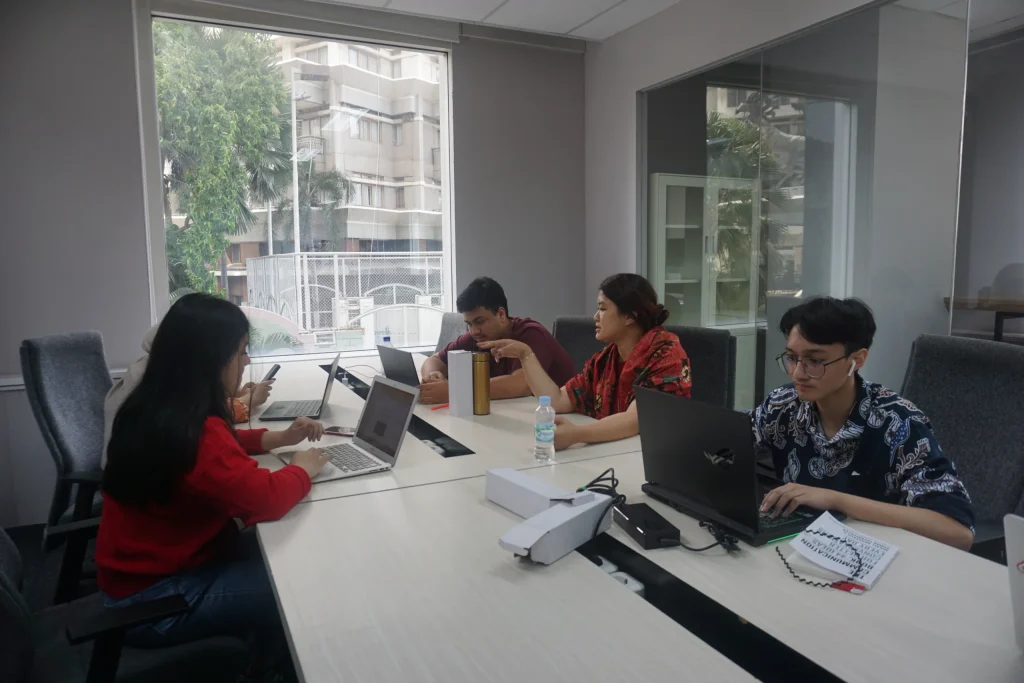
A Foundation programme is designed to help students transition from high school to university. You can think of it as a preparation year that helps students build the academic skills they’ll need before starting their degree.

Most foundation programmes take around one year to complete. During this time, students develop essential academic skills such as research, academic writing, presentations, and critical thinking. These skills are particularly important for students transitioning into an international university environment.

Students also study subjects related to their intended field. For example, students who plan to pursue degrees in areas such as business, science, or psychology may take introductory subjects that help them build the foundation needed before starting their university programme.

After completing the programme, students usually progress to the first year of a bachelor’s degree at university.

What students study in a Foundation programme

While the structure can vary between institutions, foundation programmes typically combine subject-based learning with university preparation skills.

Students may study subjects such as:

  • English
  • Business or Economics
  • Mathematics
  • Physics
  • Biology
  • Chemistry
  • Academic writing and communication skills

The goal is not only to introduce students to their future field of study, but also to help them develop the confidence and academic habits needed for university learning.

What is a Diploma programme?

A Diploma programme works a little differently.

Instead of focusing mainly on preparation, diploma programmes allow students to begin studying subjects related to their degree almost immediately. In many cases, the coursework is similar to what students would study in the first year of a bachelor’s degree.

Diploma programmes are usually more specialised and focus on a specific field, such as business, information technology, engineering, or hospitality. Most of these programmes take one to two years to complete.

After finishing the diploma, students can often continue directly into the second year of a bachelor’s degree, depending on the university.

Because of this structure, diploma programmes are often appealing to students who already know what they want to study and would like to start focusing on that subject earlier.

So what’s the real difference?

Both pathways can lead to the same destination – a bachelor’s degree at an international university.

The difference lies in how the journey begins.

A Foundation programme focuses more on preparation. It helps students strengthen their academic skills and adjust to university expectations before starting their degree.

A Diploma programme, on the other hand, allows students to begin studying their chosen field earlier and may lead more directly into the later stages of a degree.

Neither pathway is necessarily better than the other. It simply depends on what works best for the student.

Which pathway should you choose?
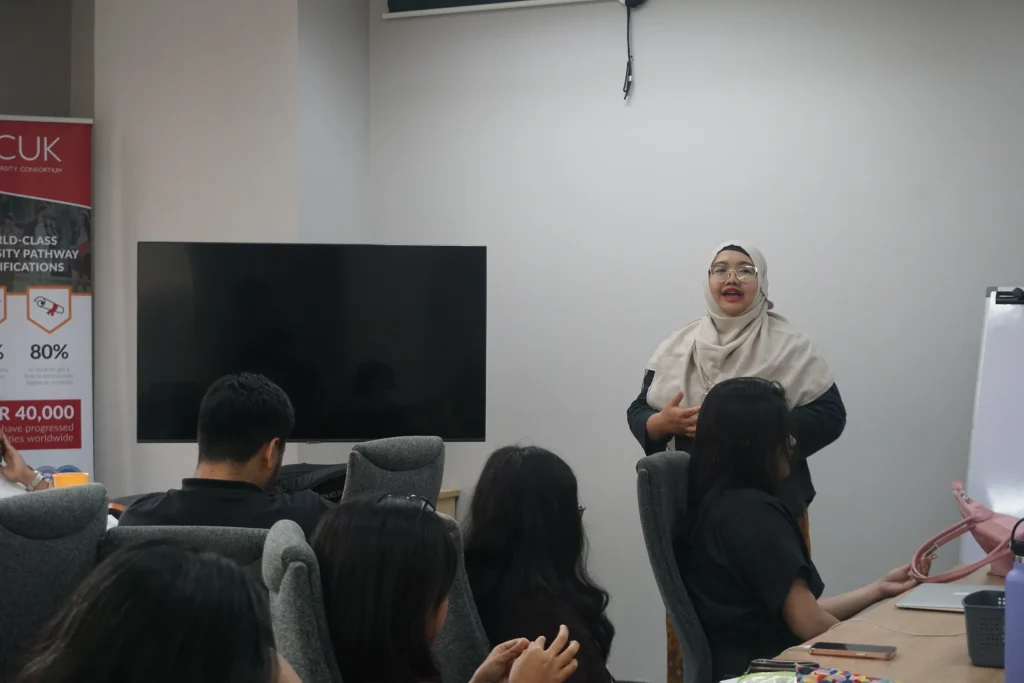
Choosing between a Foundation programme and a Diploma programme would often depend on a few key factors.

Students who want more time to adjust to university-level study or who are still exploring their academic interests may find that a Foundation programme suits them well.

Meanwhile, students who already have a clear idea of what they want to study may prefer the Diploma pathway, since it allows them to focus on their chosen subjects earlier.

For students planning to study abroad after high school in Indonesia, both options can open the door to universities around the world.

Starting your study abroad journey

Planning to study overseas can feel exciting, but also a little overwhelming at first. Between choosing a country, a university, and the right pathway, there are many decisions to consider.

That’s why having the right guidance can make such a big difference.

At Jakarta Academics College (JA College), students receive support in exploring international study pathways through Foundation programmes designed to prepare them for university abroad. With the right preparation and direction, students can build the academic skills and confidence needed before starting their degree overseas.

Students who complete a Foundation pathway can continue their studies at universities abroad, including universities in countries such as Australia and the UK.

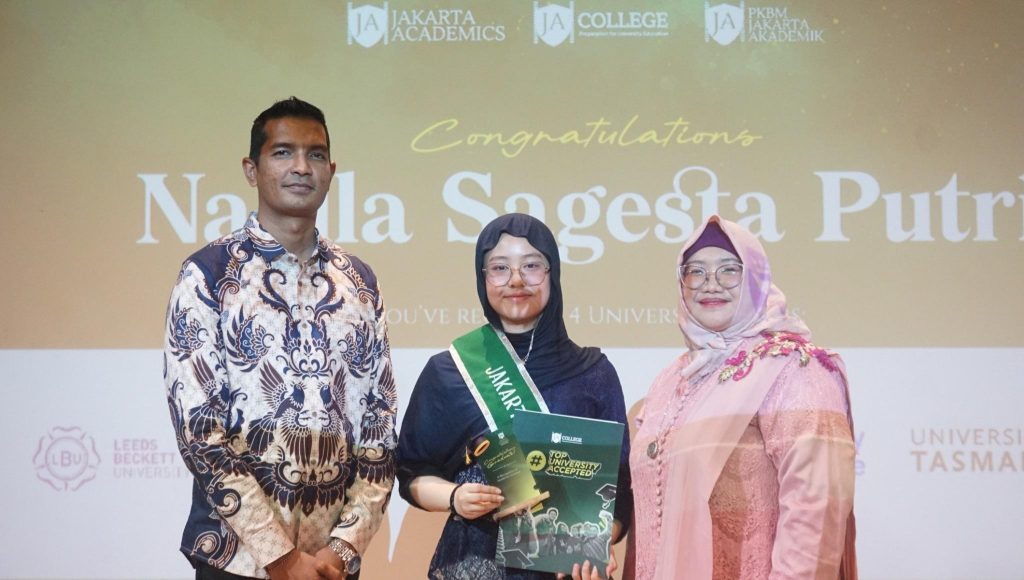
In fact, one of our alumni recently received three university offers in the UK, including from University of Bristol, Brunel University London, and St George’s, University of London, which shows how the right preparation can open doors to excellent universities.

If you’d like to learn more about Foundation pathways and studying abroad, contact our Admission Team for personalised guidance.

Recent Post

Nilai Bagus Tapi Masih Bingung Jurusan? Ini Penyebabnya

Banyak siswa ada di posisi ini. Nilai sekolah aman, tidak ada masalah akademik, bahkan bisa dibilang cukup bagus. Tapi begitu mulai membahas kuliah, jawabannya masih sama: bingung.

“Mau ambil jurusan apa?”
“Mau ke mana setelah lulus?”

Kalau kamu ngerasa seperti ini, kamu nggak sendiri.

Kenapa Banyak Siswa Bingung Menentukan Jurusan?

Salah satu penyebab utamanya adalah karena dari awal kita lebih sering fokus ke nilai, bukan ke arah. Selama ini, proses belajar terasa seperti rutinitas: belajar, ujian, lalu naik kelas.

Semua itu penting, tapi jarang ada momen untuk benar-benar berhenti dan mikir, sebenarnya kita cocoknya ke mana.

Akibatnya, ketika harus memilih jurusan, banyak yang merasa belum siap karena belum pernah benar-benar mengeksplor minatnya sendiri.

Nilai Bagus Belum Tentu Punya Arah

Nilai yang bagus sering dianggap sebagai tanda bahwa semuanya sudah aman. Padahal kenyataannya tidak selalu begitu.

Banyak siswa dengan nilai tinggi justru masih bingung karena mereka belum tahu apa yang benar-benar mereka minati. Tidak sedikit juga yang akhirnya memilih jurusan karena beberapa alasan yang cukup umum, seperti ikut teman atau sekadar memilih yang terlihat paling aman.

Padahal, keputusan ini bisa berdampak cukup panjang ke depan.

Kenapa Menentukan Arah Itu Penting?

University Preparation Programme

Menentukan arah sejak awal membantu proses belajar jadi lebih jelas. Siswa mulai tahu apa yang ingin dicapai dan kenapa mereka belajar sesuatu.

Tidak harus langsung yakin seratus persen, tapi setidaknya sudah punya gambaran. Dengan begitu, belajar tidak lagi terasa seperti kewajiban, tapi jadi sesuatu yang memang punya tujuan.

Sistem Belajar yang Lebih Terarah

Sekarang mulai banyak siswa dan orang tua yang mencari sistem belajar yang lebih fleksibel dan punya arah yang jelas ke kuliah. Mereka tidak hanya melihat sekolah dari sisi akademik, tapi juga dari bagaimana sekolah tersebut bisa membantu menentukan masa depan.

Program seperti A Level dan Foundation Programme menjadi pilihan karena memungkinkan siswa untuk lebih fokus pada bidang tertentu dan belajar dengan tujuan yang lebih spesifik.

Beberapa keunggulan yang biasanya dirasakan:

  • belajar jadi lebih fokus ke subject yang relevan
  • lebih siap untuk masuk jurusan tertentu
  • dan sudah mengikuti standar internasional

Persiapan Kuliah Luar Negeri

Untuk siswa yang punya rencana kuliah ke luar negeri, persiapan tidak bisa dilakukan secara mendadak. Dibutuhkan perencanaan sejak awal agar semua proses berjalan lebih lancar.

Mulai dari pemilihan kurikulum, pemahaman persyaratan universitas, sampai arahan akademik, semuanya saling berkaitan dan penting untuk dipersiapkan.

Kesimpulan

Nilai bagus memang penting, tapi itu bukan satu-satunya hal yang menentukan masa depan. Yang lebih penting adalah memiliki arah yang jelas dan tahu langkah apa yang perlu diambil untuk mencapainya.

Dengan sistem belajar yang tepat, siswa tidak hanya belajar untuk lulus, tapi juga benar-benar dipersiapkan untuk jenjang berikutnya.

Di Bali sendiri, sudah mulai banyak pilihan sistem pendidikan yang mengarah ke sana, salah satunya seperti yang ditawarkan di JA College Bali, yang fokus membantu siswa mempersiapkan diri ke universitas internasional dengan pendekatan yang lebih terarah.

Study at University of Central Lancashire (UCLan): Where Your Global Journey Begins

For a lot of students, studying abroad sounds exciting but also a little overwhelming.

There’s the idea of leaving home, adapting to a new environment, and wondering if you’re really ready for it.

The truth is, you don’t have to have everything figured out from the start.

At University of Central Lancashire (UCLan), many students begin exactly where you  are now, curious, unsure, but ready to take the next step.

Located in Preston, UCLan offers a supportive environment where students can grow, both academically and personally, at their own pace.

It’s Not Just About Getting In

A lot of people think studying abroad is all about being “smart enough” to get accepted.

But once you’re there, you realise it’s about something else too, like how you think, how you adapt, and how willing you are to step out of your comfort zone.

At UCLan, learning isn’t just about lectures and exams. Students are encouraged to ask questions, share ideas, and actually understand what they’re learning, and not just memorising it.

Learning That Feels Useful

Whether you choose Business, Engineering, Psychology, or Media, what stands out at UCLan is how practical everything feels.

You’re not just studying theories, but you’re learning how those ideas work in real life

That’s what makes a difference later on, especially when you start thinking about internships, work experience, and your future career.

You Grow Outside the Classroom Too

Living in the UK brings a completely new experience – new culture, new people, new perspectives.

It can feel unfamiliar at first, but that’s also where a lot of growth happens.

At University of Central Lancashire, students are given opportunities to gain real-world experience through placements and projects. Over time, you become more independent, more confident, and more certain about what you want to do next.

So… What Does It Take?

You don’t have to be perfect.

But students who do well usually have a few things in common:

  • They’re open to learning
  • They’re willing to try, even when things feel unfamiliar
  • They stay consistent over time

It’s less about being the “best,” and more about being ready to grow.

Where JA College Comes In

This journey doesn’t suddenly start when you arrive at university.

It starts earlier – with how you learn, how you think, and how you prepare.

At Jakarta Academics College (JA College), we focus on helping students build that foundation.

We guide students to:

  • Think more independently
  • Speak and express ideas with confidence
  • Build both academic and extracurricular strength
  • Understand the university application process clearly

So when the time comes, you’re not just applying – you’re ready.

Taking the First Step

Studying abroad might feel like a big decision right now.

But with the right support, it becomes something much more manageable and much more real.

If you’re thinking about University of Central Lancashire or other UK universities, you don’t have to figure it out alone.

Reach out to our admissions team at JA College to explore your options and understand what your next step could look like.

Because sometimes, all it takes is one clear step to turn something uncertain into something possible.

Study at James Cook University

A Global Education with Real-World Depth

Choosing to study overseas is a big step. It’s not just about getting a degree – it’s about leaving home, adapting to a new system, and building a future in a completely different environment.

If Australia is on your list, James Cook University (JCU) is a university worth understanding properly – not just for its reputation, but for what kind of experience it actually offers.

Where is James Cook University? 

JCU’s main campuses are located in Townsville and Cairns, in tropical North Queensland.

This location is important.

Unlike universities in busy metropolitan cities like Sydney or Melbourne, JCU offers a quieter, more focused environment. Living costs are generally lower, the community is smaller, and students often find it easier to adjust academically and socially.

It’s also close to the world-renowned Great Barrier Reef – which directly supports many of the university’s research and science programs.

What Is JCU Known For? 

James Cook University has built a strong international reputation in areas connected to global and environmental challenges.

It is particularly recognised for:

  • Marine Biology and Environmental Science
  • Climate Change and Sustainability Studies
  • Tropical Medicine and Public Health
  • Biomedical Sciences
  • Psychology
  • Business and Tourism

This focus highlights JCU’s strength as a research-led university. Students benefit from learning in an environment where lecturers are actively involved in research that impacts policy, healthcare systems, and environmental protection.

For example:

  • Marine science students gain exposure to reef and coastal ecosystems.
  • Public health students study in a university known for expertise in tropical medicine.
  • Business students explore innovation in emerging markets and regional economies.

This makes learning feel practical and not just theory.

Academic Structure and Expectations

Like most Australian universities, JCU emphasises:

  • Independent learning
  • Critical thinking
  • Research-based assignments
  • Analytical writing

Classes typically combine lectures, tutorials, group discussions, and project-based assessments. Students are expected to read independently, manage deadlines, and contribute actively in class.

For international students, especially those coming from structured schooling systems, this can be an adjustment. However, JCU provides academic support services, writing assistance, and orientation programs to help students transition smoothly.

Student Life and Support

Moving abroad can feel overwhelming. JCU understands this.

International students can have access to:

  • Dedicated student support services
  • Academic skills workshops
  • Counselling and wellbeing support
  • Student clubs and campus activities

Townsville and Cairns are considered safe and welcoming cities. The slower pace compared to major capitals often helps students focus on their studies while gradually building independence.

For Indonesian students, this balance of independence and support can be particularly valuable during the first year.

Career Outcomes and Global Recognition

A degree from James Cook University is internationally recognised.

Graduates work in:

  • Environmental research and conservation
  • Healthcare and biomedical industries
  • Corporate and business sectors
  • Tourism and hospitality management
  • Government and policy institutions

Australia also offers post-study work opportunities for eligible graduates, allowing students to gain international work experience after completing their degree.

More importantly, JCU graduates leave with strong research skills, analytical ability, and adaptability. These are qualities that are highly valued globally.

Preparing for JCU with Jakarta Academics College (JA College)

Entering a university like James Cook University would require more than meeting minimum entry scores.

At Jakarta Academics College (JA College), students prepare through A Levels and Foundation programs that develop:

  • Subject mastery aligned with university expectations
  • Academic writing and referencing skills
  • Independent study habits
  • Confidence in English communication

The transition from high school to an Australian university can be hard. Our goal at JA College is to ensure students are not only accepted, but fully prepared to handle the academic standards and independence required.

Is JCU Right for You? 

James Cook University may be a strong fit if you:

  • Are interested in science, sustainability, healthcare, psychology, or business
  • Prefer a more focused, community-based campus environment
  • Want practical exposure linked to real-world research
  • Are seeking a globally recognised Australian degree

Studying overseas is not just about prestige. It’s about choosing an environment where you can grow academically and personally.

If you are considering Australia as your next step, speaking with the JAC Admission Team can help you understand entry pathways, subject requirements, and whether JCU aligns with your long-term goals.

Because studying abroad isn’t just a destination. It’s a journey that shapes who you become.