AI in Education: Is Artificial Intelligence Destroying or Transforming Learning?

artificial intelligence in learning

Artificial intelligence (Ai) has rapidly become one of the most widely discussed topics across the world. Its growth is so fast that educators, parents, and students are now questioning how deeply it should be allowed into the learning environment. While AI offers impressive advantages, concerns about academic fraud, reduced critical thinking, and the future of teaching jobs continue to rise.

This article explores both sides of the debate and highlights real experiences from Jakarta Academics College, providing a balanced, people-first perspective.

What Is AI in Education?

AI in education refers to digital tools and systems that simulate human intelligence to assist teaching and learning. These range from simple grammar checkers and chatbots to advanced adaptive learning platforms.

Common AI tools in classrooms today include:

  • Chatbots for answering student questions 
  • Essay and research assistants
  • Automated grading systems
  • Personalized learning platforms
  • Speech-to-text and accessibility tools

As these tools grow more capable, they reshape how students learn and how educators teach.

Will AI Destroy Our Education System?

The fear isn’t entirely new, every major technology, from calculators to the internet, was once seen as a threat. But AI introduces unique challenges. Here are the key concerns.

1.Overreliance on Instant Answers

Students can now generate answers in seconds. While convenient, this can discourage exploration, problem-solving, and deeper understanding.

2. Decline in Critical and Creative Thinking

Experts worry that constant AI use may weaken students’ ability to analyze, evaluate, and create original ideas.

3. Rise of Academic Fraud

AI makes it easier to produce essays, solve math problems, or complete homework with minimal effort. This blurs the line between learning and cheating.

4. Reduced Human Interaction

Education is more than absorbing information, it’s communication, collaboration, and emotional development. Heavy AI use may limit these experiences.

5. Loss of Jobs in the Education Sector

AI automation may eventually reduce the demand for certain administrative or support roles, though full replacement of teachers remains unlikely.

The Benefits: How AI Is Improving Education

impact of AI on students

Despite the fears, AI also offers transformative advantages that can elevate learning when used responsibly.

1. Personalized Learning for Every Student

AI systems can tailor lessons according to individual strengths, weaknesses, and pace, something impossible for a single teacher to do alone.

2. Faster Feedback for Students

Assignments can be checked instantly, allowing students to correct mistakes sooner and improve more quickly.

3. Better Accessibility and Inclusion

AI tools help students with dyslexia, hearing impairments, attention disorders, and physical disabilities participate more equally.

4. Enhanced Productivity for Teachers

Teachers can use AI to:

  • Generate lesson materials 
  • Analyze student performance
  • Reduce manual grading
  • Improve curriculum planning

5. Smarter Classrooms

Schools can use AI analytics to understand student engagement, attendance patterns, and learning outcomes.

Case Study: How AI Helps Students and Teachers at Jakarta Academics College 

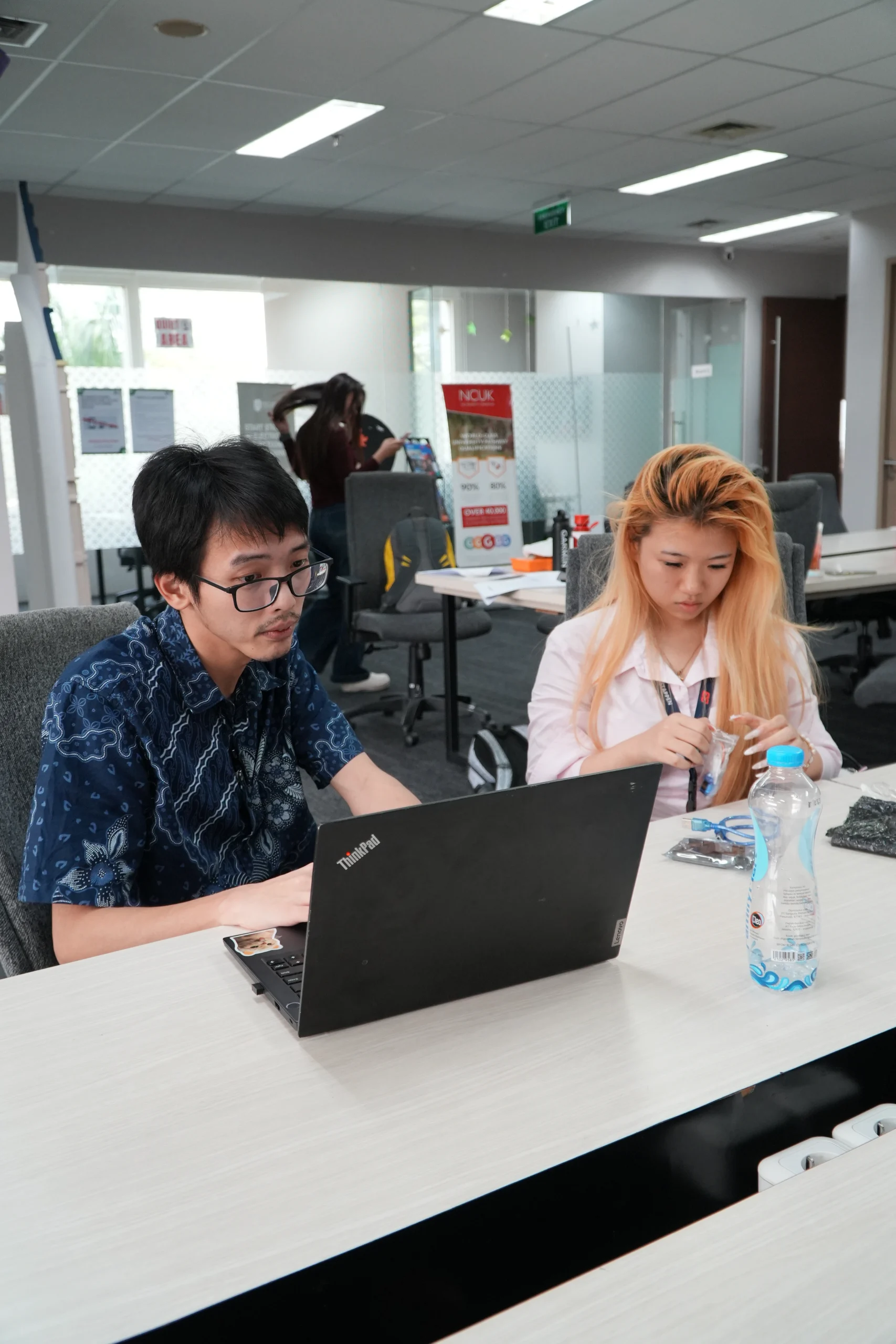
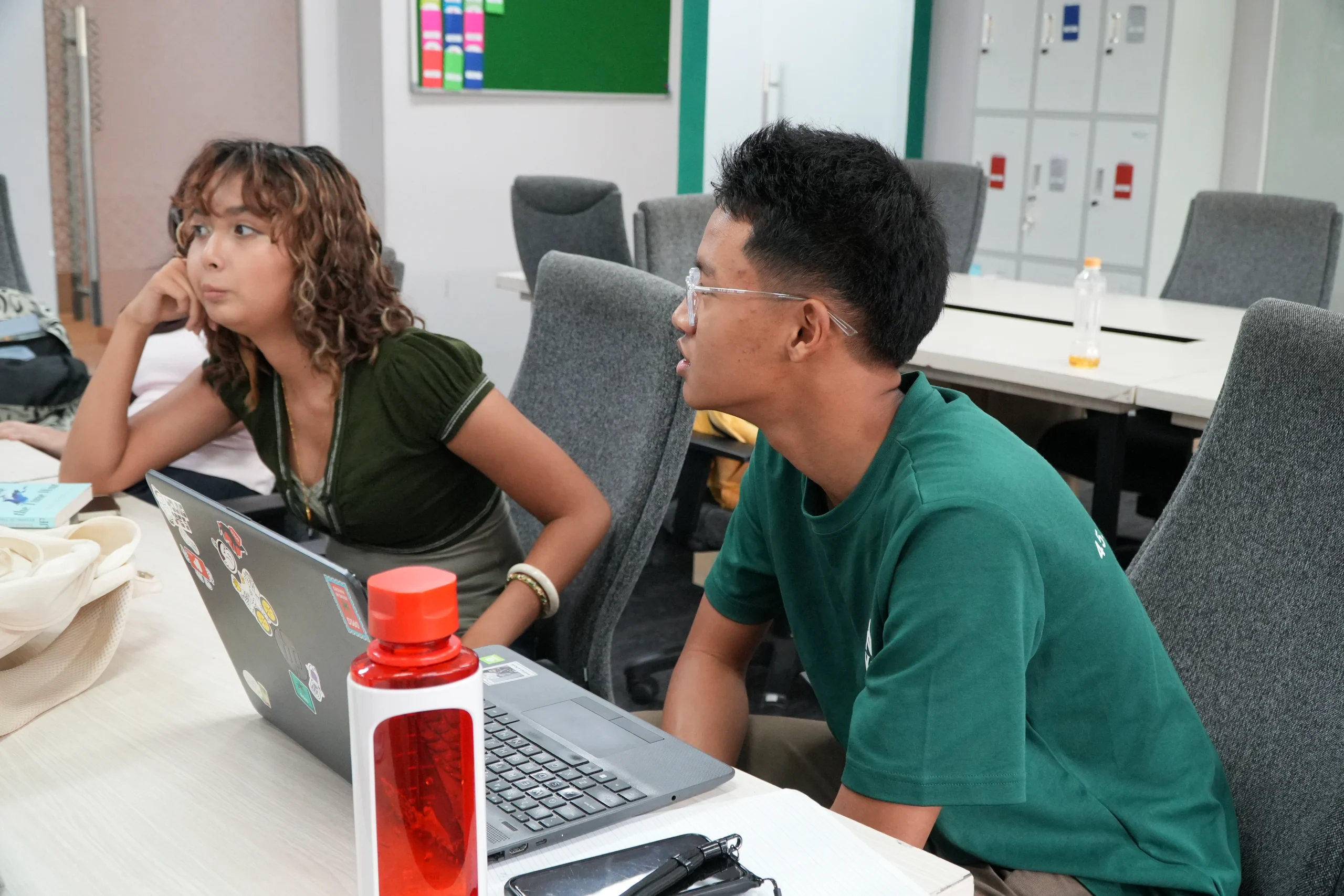
To understand the real impact of AI in education, Jakarta Academics College conducted internal observations on how students and teachers use AI tools.

Student Perspective

Students reported that AI helps them:

  • Understand complicated topics more easily 
  • Improve writing with grammar checks and suggestions
  • Save time during research
  • Practice exam questions with automated feedback

One student said, “AI doesn’t replace my thinking, it helps me think clearer.”

Teacher Perspective

Teachers found AI especially useful for:

  • Designing learning materials 
  • Identifying students who need more support
  • Reducing time spent on administrative tasks
  • Creating personalized exercises

However, they also emphasized the need for guidelines and human oversight.

Overall Outcome

Jakarta Academics College concluded that AI is beneficial when used as a supporting tool, not a shortcut. The key to success is balance and responsible usage.

How Schools Can Use AI Responsibly

To protect learning integrity while embracing innovation, schools should:

Create Clear AI Usage Policies  

Define what is allowed, what is considered cheating, and how AI can support learning.

Teach Digital Ethics  

Students must understand the ethical use of AI and the consequences of misuse.

Encourage Critical Thinking  

Teachers should design assignments that require analysis, creativity, and personal insight, things AI cannot replicate authentically.

Train Teachers on AI  

Educators need practical training so they can guide students effectively.

Promote Transparency  

Students should be encouraged to disclose when and how AI was used.

Should We Fear AI in Education?

AI is neither good nor bad, it is a tool. The real danger lies not in the technology itself but in how humans choose to use it. Overreliance can be harmful, but responsible integration can elevate learning to new heights.

Humans still bring what AI cannot replicate:

  • Creativity 
  • Empathy
  • Moral judgment
  • Real-life experience

As long as these remain central to education, AI will serve as an enhancer, not a destroyer.

AI Will Not Destroy Education But Misuse Might

AI in education is a powerful force that can either weaken or strengthen learning. It will not destroy education unless we allow it to replace effort, curiosity, and genuine understanding. With thoughtful policies, ethical usage, and strong teacher guidance, AI can help build a smarter and more inclusive future for students. Education is not about replacing humans with machines, it’s about empowering humans with better tools.

 

Recent Post

Persiapan masuk kuliah keluar negeri

Bukan Sekadar Lulus, Tapi Diterima di Universitas Internasional

Kuliah luar negeri sekarang jadi impian banyak siswa.
Tapi tidak semua tahu bagaimana cara benar-benar sampai ke sana.

Entah itu ke UK, Australia, atau negara lainnya, kesempatan untuk masuk ke universitas internasional sebenarnya terbuka cukup luas.

Tapi yang sering jadi masalah bukan di mimpinya, melainkan di langkah awalnya.

Banyak siswa masih belum tahu harus mulai dari mana. Ada yang fokus ke nilai saja, ada juga yang baru mulai mikir universitas saat sudah di akhir masa sekolah. Akhirnya, semuanya terasa mendadak dan kurang terarah.

Masalahnya Bukan di Kemampuan, Tapi di Arah

Kalau dilihat lebih dekat, banyak siswa yang sebenarnya punya potensi besar. Tapi tanpa arah yang jelas, potensi itu jadi tidak maksimal.

Di sinilah peran jalur pendidikan yang tepat jadi penting. Apakah harus ambil A Level? Foundation? Atau program lain yang lebih sesuai dengan tujuan kuliah luar negeri?

Tanpa guidance, pilihan ini bisa jadi membingungkan.

Kenapa Banyak Siswa Mulai Melirik Junior College

Sekarang mulai banyak siswa dan orang tua mencari jalur yang lebih terarah untuk kuliah luar negeri. Salah satunya adalah junior college, yang memang fokus ke persiapan universitas internasional.

Di Bali sendiri, pilihan seperti ini masih sangat terbatas.
Karena itu, pendekatan ini terasa berbeda dari sekolah pada umumnya.

Siswa tidak hanya belajar akademik, tapi juga sudah diarahkan dari awal — mulai dari memilih jurusan, menentukan tujuan, sampai langkah masuk universitas.

Dengan cara ini, siswa jadi lebih siap dan tidak bingung di akhir.

Kurikulum Internasional Seperti Pearson Edexcel

Salah satu hal penting dalam persiapan kuliah luar negeri adalah kurikulum yang digunakan.

Program seperti Pearson Edexcel sudah diakui secara global dan menjadi salah satu jalur yang umum digunakan untuk masuk ke universitas internasional, terutama di UK.

Melalui kurikulum ini, siswa tidak hanya belajar teori, tapi juga dilatih untuk berpikir kritis, mandiri, dan lebih siap menghadapi sistem pendidikan luar negeri.

Peran JA College Bali dalam Persiapan Universitas

Di sinilah peran JA College Bali sebagai junior college menjadi relevan.

Fokusnya bukan hanya membuat siswa lulus, tapi benar-benar mempersiapkan mereka untuk masuk ke universitas internasional. Setiap siswa dibimbing secara personal, mulai dari menentukan jalur akademik, memilih jurusan, hingga proses aplikasi ke universitas.

Pendekatannya lebih terarah, dengan kelas kecil dan mentoring yang lebih intens.

Dengan pendekatan ini, JA College Bali telah membantu banyak siswa melanjutkan ke universitas internasional di berbagai negara.

Bukan Sekadar Target, Tapi Hasil Nyata

Dengan sistem seperti ini, siswa tidak hanya punya rencana, tapi juga langkah yang jelas.

Banyak siswa dari JA College Bali yang akhirnya berhasil melanjutkan kuliah luar negeri ke berbagai negara seperti UK, Australia, dan New Zealand.

Yang membedakan bukan hanya hasil akhirnya, tapi prosesnya. Siswa jadi lebih siap, lebih percaya diri, dan tahu apa yang mereka jalani.

Kunci Utamanya: Persiapan yang Tepat

Pada akhirnya, masuk ke universitas internasional bukan soal siapa yang paling pintar. Tapi siapa yang paling siap.

Dan kesiapan itu datang dari arah yang jelas, jalur yang tepat, dan lingkungan belajar yang mendukung.

Kalau saat ini masih bingung harus mulai dari mana, itu hal yang normal. Justru itu tanda bahwa sekarang adalah waktu yang tepat untuk mulai mencari tahu.

Mulai dari Langkah yang Tepat

Yang penting bukan langsung punya semua jawaban, tapi mulai dari arah yang benar.

Dengan guidance yang tepat, proses menuju kuliah luar negeri bisa jadi jauh lebih jelas dan terarah.

Kamu bisa mulai dari konsultasi untuk tahu jalur mana yang paling cocok.

Kadang, satu diskusi singkat bisa membuat semuanya jadi jauh lebih jelas.

Why the University of Hong Kong Is a Top Choice for International Students

If you’re looking for a university that blends academic excellence with real career outcomes, the University of Hong Kong (HKU) stands out as one of Asia’s top destinations. It is known not only for its global reputation, but also for how effectively it prepares students for life after graduation.

With a diverse international community and a strong emphasis on career readiness, HKU offers more than a degree, it provides a clear pathway into the global workforce.

A University That Prepares You for the Real World

At HKU, learning extends beyond lectures and examinations. Programmes are designed to integrate theoretical understanding with practical application, ensuring that students graduate with both knowledge and relevant experience.

This becomes particularly valuable when entering the job market, where the ability to demonstrate applied skills can significantly strengthen a candidate’s profile.

Students also have access to paid internships, even while receiving scholarships, which allows them to gain professional experience without compromising financial support.

Strong Career Outcomes

HKU reports a 99% employment rate, reflecting the strength of its graduate outcomes. Many students receive multiple job offers upon graduation, providing flexibility as they begin their careers.

International graduates also benefit from a 2-year post-graduation working visa, offering the opportunity to gain work experience in Hong Kong.

A Truly International Environment

HKU’s campus is home to a large and diverse population of international students, contributing to a global and inclusive learning environment.

The primary language of instruction is English, meaning students can study comfortably without prior knowledge of Cantonese or Mandarin.

Campus Life & Student Experience

In the first year, students are required to stay in university accommodation. This structure would support a smoother transition into university life and encourage early community building.

Beyond the first year, continued residence in dormitories often involve participation in extracurricular activities, promoting a well-rounded student experience.

HKU also offers:

  • Modern and accessible facilities
  • Opportunities for student achievement and development
  • Established traditions such as High Table Dinners, where students engage with distinguished alumni and professionals

Admissions Made Flexible

HKU accommodates applicants from a range of academic backgrounds. Students may apply using either a national or international curriculum, including A Levels, IGCSE, or IELTS (minimum score of 6.0). 

Applicants are permitted to select up to three programmes within one application.

Application requirements include: 

  • High school transcript
  • Predicted or final examination results
  • A personal statement (maximum 1000 words)
  • One recommendation letter

Scholarship Opportunities

HKU offers a range of scholarships to support high-achieving students, including:

  • Academic scholarships
  • Entrance scholarships covering up to 100% of tuition fees, with additional living support

All applicants are automatically considered for scholarships upon submission of their application.

To maintain scholarship eligibility, students are required to achieve a minimum GPA of 3.0. If this requirement is not met, the scholarship may be adjusted accordingly.

Why Choose HKU? 

Studying at the University of Hong Kong offers access to a well-established academic environment, strong career outcomes, and a globally connected student community. It is an institution that balances academic rigour with practical preparation.

Ready to Apply? 

If you are considering applying to the University of Hong Kong, having the right guidance can make the process more straightforward.

Contact JA College’s Admissions Team for personalised support with:

  • Programme selection
  • Personal statement development
  • Scholarship planning
  • Application submission

Your application journey can begin with a clear and structured approach, supported at every stage.

Nilai Bagus Tapi Masih Bingung Jurusan? Ini Penyebabnya

Banyak siswa ada di posisi ini. Nilai sekolah aman, tidak ada masalah akademik, bahkan bisa dibilang cukup bagus. Tapi begitu mulai membahas kuliah, jawabannya masih sama: bingung.

“Mau ambil jurusan apa?”
“Mau ke mana setelah lulus?”

Kalau kamu ngerasa seperti ini, kamu nggak sendiri.

Kenapa Banyak Siswa Bingung Menentukan Jurusan?

Salah satu penyebab utamanya adalah karena dari awal kita lebih sering fokus ke nilai, bukan ke arah. Selama ini, proses belajar terasa seperti rutinitas: belajar, ujian, lalu naik kelas.

Semua itu penting, tapi jarang ada momen untuk benar-benar berhenti dan mikir, sebenarnya kita cocoknya ke mana.

Akibatnya, ketika harus memilih jurusan, banyak yang merasa belum siap karena belum pernah benar-benar mengeksplor minatnya sendiri.

Nilai Bagus Belum Tentu Punya Arah

Nilai yang bagus sering dianggap sebagai tanda bahwa semuanya sudah aman. Padahal kenyataannya tidak selalu begitu.

Banyak siswa dengan nilai tinggi justru masih bingung karena mereka belum tahu apa yang benar-benar mereka minati. Tidak sedikit juga yang akhirnya memilih jurusan karena beberapa alasan yang cukup umum, seperti ikut teman atau sekadar memilih yang terlihat paling aman.

Padahal, keputusan ini bisa berdampak cukup panjang ke depan.

Kenapa Menentukan Arah Itu Penting?

University Preparation Programme

Menentukan arah sejak awal membantu proses belajar jadi lebih jelas. Siswa mulai tahu apa yang ingin dicapai dan kenapa mereka belajar sesuatu.

Tidak harus langsung yakin seratus persen, tapi setidaknya sudah punya gambaran. Dengan begitu, belajar tidak lagi terasa seperti kewajiban, tapi jadi sesuatu yang memang punya tujuan.

Sistem Belajar yang Lebih Terarah

Sekarang mulai banyak siswa dan orang tua yang mencari sistem belajar yang lebih fleksibel dan punya arah yang jelas ke kuliah. Mereka tidak hanya melihat sekolah dari sisi akademik, tapi juga dari bagaimana sekolah tersebut bisa membantu menentukan masa depan.

Program seperti A Level dan Foundation Programme menjadi pilihan karena memungkinkan siswa untuk lebih fokus pada bidang tertentu dan belajar dengan tujuan yang lebih spesifik.

Beberapa keunggulan yang biasanya dirasakan:

  • belajar jadi lebih fokus ke subject yang relevan
  • lebih siap untuk masuk jurusan tertentu
  • dan sudah mengikuti standar internasional

Persiapan Kuliah Luar Negeri

Untuk siswa yang punya rencana kuliah ke luar negeri, persiapan tidak bisa dilakukan secara mendadak. Dibutuhkan perencanaan sejak awal agar semua proses berjalan lebih lancar.

Mulai dari pemilihan kurikulum, pemahaman persyaratan universitas, sampai arahan akademik, semuanya saling berkaitan dan penting untuk dipersiapkan.

Kesimpulan

Nilai bagus memang penting, tapi itu bukan satu-satunya hal yang menentukan masa depan. Yang lebih penting adalah memiliki arah yang jelas dan tahu langkah apa yang perlu diambil untuk mencapainya.

Dengan sistem belajar yang tepat, siswa tidak hanya belajar untuk lulus, tapi juga benar-benar dipersiapkan untuk jenjang berikutnya.

Di Bali sendiri, sudah mulai banyak pilihan sistem pendidikan yang mengarah ke sana, salah satunya seperti yang ditawarkan di JA College Bali, yang fokus membantu siswa mempersiapkan diri ke universitas internasional dengan pendekatan yang lebih terarah.